Southwest Boeing 737 Pulled From Service After Ramp Vehicle Wedges Beneath Its Belly
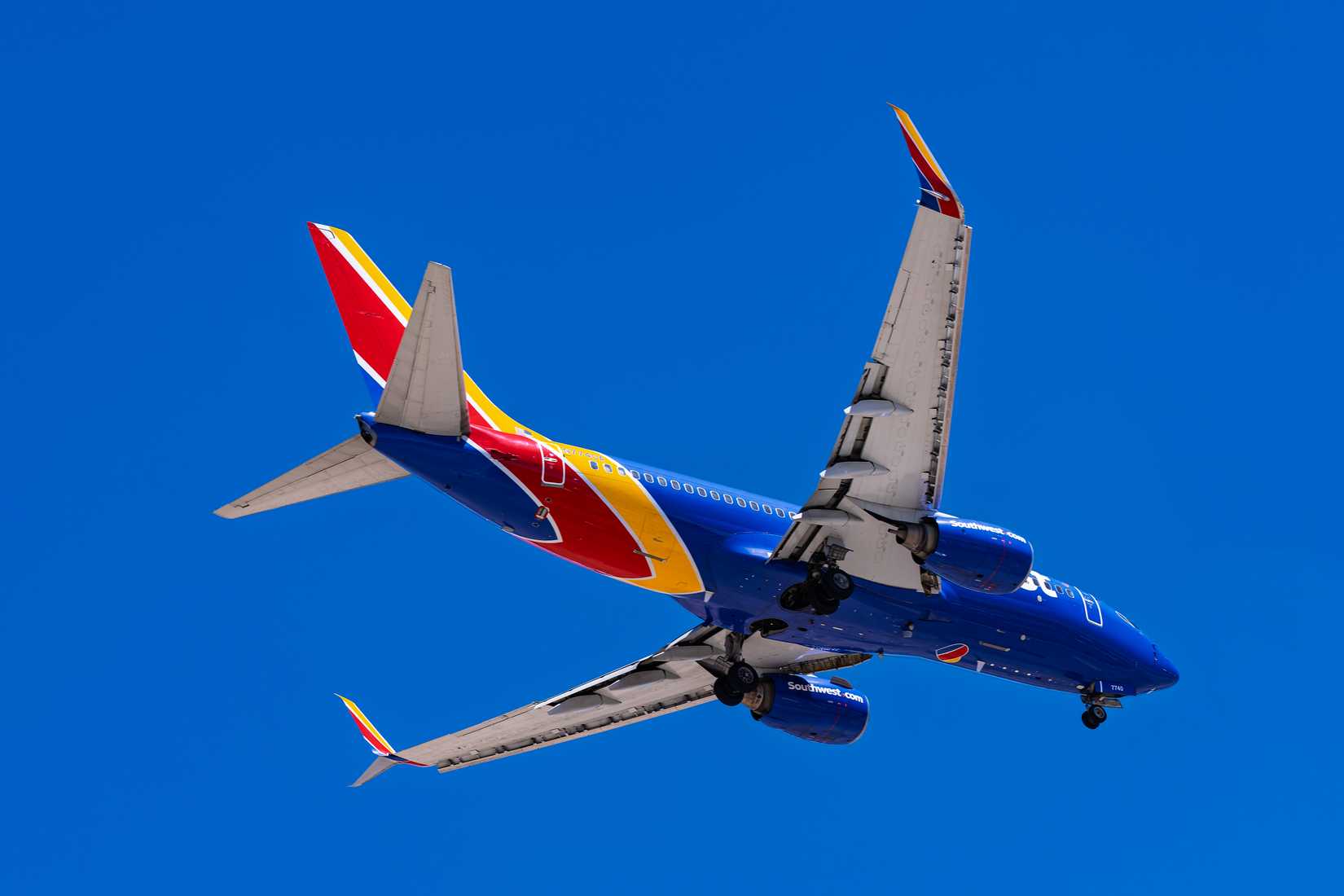
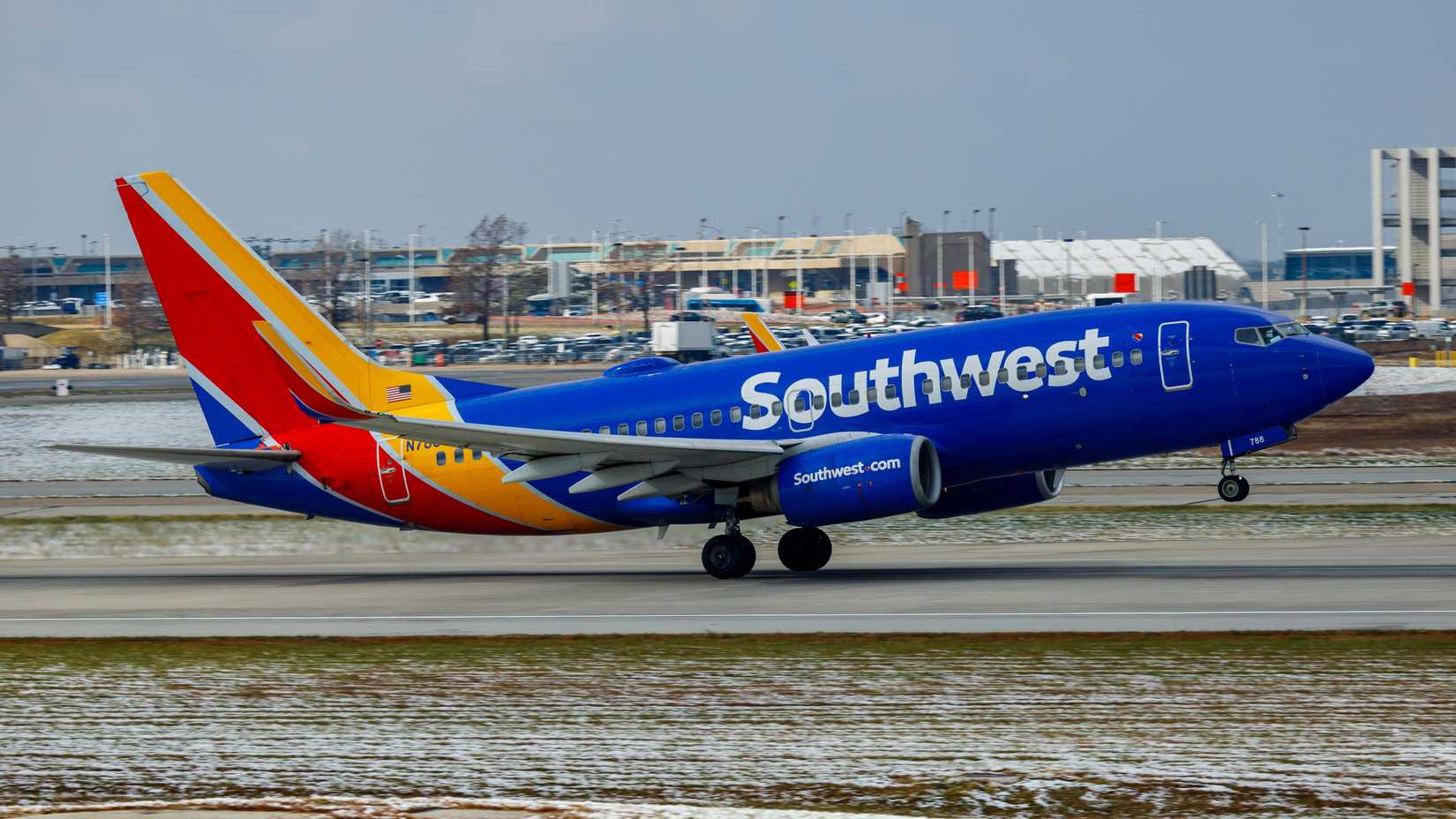
A Southwest Airlines Boeing 737-700 (registration N436WN) was taken out of service at Memphis International Airport on June 21, 2026, after a belt loader became wedged beneath the aircraft's fuselage during the boarding process for flight WN4013, bound for Las Vegas Harry Reid International Airport. Emergency crews including airport fire, local law enforcement, and paramedics responded to the scene. No passenger or crew injuries were reported, but the aircraft sustained structural damage sufficient to warrant removal from revenue service. Southwest subsequently ferried the 23-year-old airframe — configured for 143 passengers in an all-economy layout and originally delivered in June 2003 — to Cecil Airport near Jacksonville, Florida, for detailed inspection, maintenance, and repair. Passengers were reaccommodated onto a replacement aircraft, arriving in Las Vegas approximately three hours and forty-six minutes behind schedule.
The incident highlights a persistent and underappreciated risk category in commercial aviation: ground damage events during the boarding and servicing window. This phase of operations concentrates the highest density of ground support equipment around the aircraft simultaneously — belt loaders, catering trucks, fuel vehicles, and baggage tugs — often in close proximity to fuselage skin, wing leading edges, engine nacelles, and belly-mounted antennas and sensors. For crews, a belt loader wedging beneath the belly raises immediate concerns about potential structural deformation of the lower fuselage frames, pressure bulkhead integrity, and damage to belly-mounted avionics or drain masts. The decision to ferry the aircraft without passengers rather than release it to normal service reflects appropriate conservatism; even cosmetically minor contact in the belly region can conceal frame or stringer damage that requires borescope inspection and engineering disposition before return to pressurized flight. Southwest's invocation of its Safety Management System (SMS) for formal investigation is both a regulatory requirement and operationally sound practice for capturing causal and contributing factors that transcend the immediate event.
For airline and charter operators, ground damage events represent one of the most financially significant and operationally disruptive categories of aircraft damage. Industry data consistently shows that ground damage accounts for a disproportionate share of unscheduled maintenance events and hull repair costs, with ramp incidents during servicing being among the most common triggers. The 737-700 variant at the center of this event carries particular significance for Southwest, which operates the largest fleet of the type in the world — nearly 300 aircraft — and has committed to retiring all Classic-era 737s in favor of the 737 MAX by 2031. An airframe already 23 years into service and awaiting long-term phase-out may face an extended maintenance disposition at Cecil Airport if inspection reveals damage that requires engineering orders or structural repair schemes, potentially accelerating that individual aircraft's retirement timeline rather than absorbing the repair cost for limited remaining service life.
Broader context matters here for operators and flight departments tracking ramp safety trends. Ground service equipment incidents have drawn increased FAA and IATA attention as airport throughput demands intensify and staffing pressure on ramp personnel grows. Airlines and fixed-base operators have been investing in proximity warning systems and sensor-equipped GSE to reduce contact rates, but human factors and time pressure during tight turns remain root causes. For Part 135 and corporate flight operations, this type of event is a useful reminder that accepting an aircraft from a ramp crew requires active crew awareness of the boarding and servicing environment — particularly at busy hub airports where congestion and simultaneous servicing operations create elevated exposure. Pilots operating the 737 platform specifically should be aware that post-incident ferry authorizations, such as the one issued here, are not routine releases; they involve engineering assessment and typically restrict the aircraft to unpressurized or limited-altitude profiles until full inspection is complete, underscoring that even a "safe to ferry" determination is a conditional and carefully bounded authorization.






 Read original article