Airbus Unveils 10th A320 Final Assembly Line At The Former Home Of The A380
Airbus has activated its tenth A320 Family Final Assembly Line (FAL) at the Jean-Luc Lagardère complex in Toulouse, France, converting the facility originally constructed between 2002 and 2004 to house the A380 superjumbo program into a high-tempo narrowbody production hub. The structure itself underscores the scale of the transformation: the central hangar spans roughly 1,608 feet in length, 820 feet in width, and 151 feet in height — an industrial footprint built for the largest commercial passenger aircraft ever flown, now being retooled to produce aircraft a fraction of that size at significantly higher monthly rates. Rather than constructing new infrastructure, Airbus elected to repurpose one of its most symbolically significant sites, a decision that carries both economic pragmatism and considerable strategic signaling about where commercial aviation is headed. With the expansion, Airbus now operates ten A320 Family assembly lines across four global locations: four in Hamburg, two in Toulouse, two in Mobile, Alabama, and two in Tianjin, China.
The production ambitions behind the move are substantial. Airbus CEO Guillaume Faury has tied the Toulouse expansion directly to the company's target of delivering between 70 and 75 A320 Family aircraft per month by the end of 2027 — a ramp rate that would represent one of the highest sustained narrowbody output levels in commercial aviation history. The first modernized A320 line at Lagardère employed approximately 700 workers; the addition of the second line is expected to bring total employment at the site to nearly 1,500. The conversion required more than a simple change in aircraft type. Narrowbody production operates at a fundamentally different tempo than widebody assembly, demanding reconfigured logistics pathways, faster-cycling assembly stations, and tighter component movement coordination throughout the facility.
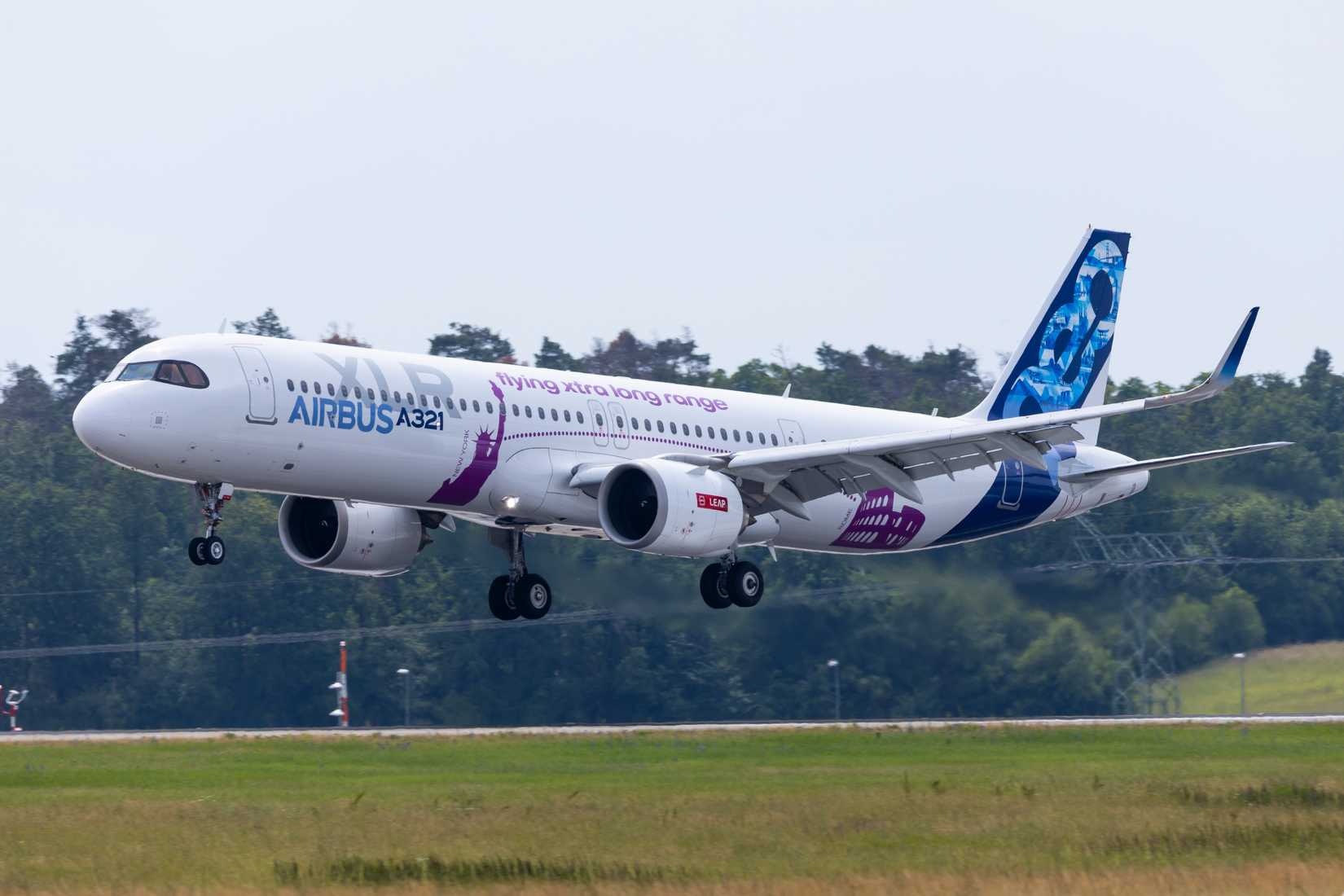
For working pilots and aviation operators, the strategic implications of this expansion are direct and near-term. The aircraft types driving this production surge — the A321neo and particularly the A321XLR — are already reshaping network planning across both airline and charter operations. The A321XLR's combination of extended range, fuel efficiency, and narrowbody operating economics is enabling operators to open routes that previously required widebody equipment, altering the calculus on crew type ratings, fleet commonality decisions, and long-haul narrowbody scheduling. Airlines and business aviation operators planning fleet transitions through the late 2020s should expect continued robust A320 Family availability as Airbus closes the gap between order backlogs and delivery throughput, though the ramp itself introduces near-term risk if supply chain constraints resurface.
The retirement of the A380 program and the conversion of its dedicated infrastructure captures a structural shift that has fundamentally altered how airlines think about capacity. The hub-and-spoke model that underpinned the A380's commercial rationale — concentrating passenger volume at mega-hubs like Dubai, London Heathrow, Frankfurt, and Singapore Changi — has given ground to point-to-point route strategies enabled by fuel-efficient narrowbodies and smaller widebodies. The A380's departure from production was not a function of the aircraft's performance, but of an evolving market preference for frequency, flexibility, and lower seat-mile costs that smaller jets increasingly deliver. The Lagardère facility, once synonymous with the ambitions of the superjumbo era, now literally embodies that transition in physical form.
Airbus's global manufacturing distribution strategy also reflects lessons learned from single-source production vulnerabilities exposed during the COVID-19 period and subsequent supply chain disruptions. Spreading ten assembly lines across Germany, France, the United States, and China provides geographic redundancy and positions the company closer to key customer markets in North America and Asia-Pacific. The Mobile, Alabama facility in particular has grown in strategic importance for U.S. airline customers and potential domestic content considerations. For corporate flight departments and fractional operators evaluating long-term fleet strategy, the expanded production network suggests that delivery slot availability and lead times for A320 Family variants should improve incrementally as Toulouse's second line reaches full operational tempo — though demand pressure from major airline customers will continue to compress access for smaller operators in the order queue.








 Read original article