How US Fighter Pilot Salaries Compare With Other Leading Nations In 2026
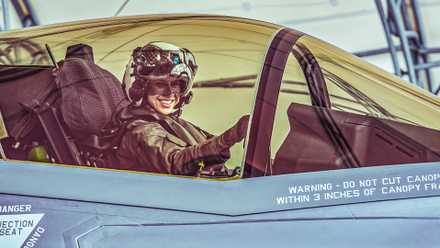
Fighter pilot compensation structures across the world's leading air powers in 2026 reveal a complex matrix of base salaries, allowances, and targeted retention incentives that extends well beyond simple headline figures. In the United States, the foundational pay scale runs from approximately $50,000 to $60,000 annually for entry-level pilots at the O-1 and O-2 pay grades, scaling to a bracket of $110,000 to $142,000 for senior squadron commanders at the O-5 level. Those numbers, however, represent only the floor of total compensation. Tax-free Basic Allowance for Housing can contribute up to $40,000 annually depending on duty station, Aviation Career Incentive Pay adds up to $12,000 per year, and the Aviation Bonus program provides eligible fighter pilots a pathway to an additional $50,000 per year — accumulating to $600,000 over the life of a multi-year contract. The Air Force additionally offers experience-based retention bonuses ranging from $105,000 to $420,000 across multiple aviation specialties. When all elements are aggregated, senior Marine Corps pilots deployed aboard Navy vessels and qualifying for Sea Pay, Imminent Danger Pay, and combat zone tax exclusions can see total annual compensation exceed $200,000.
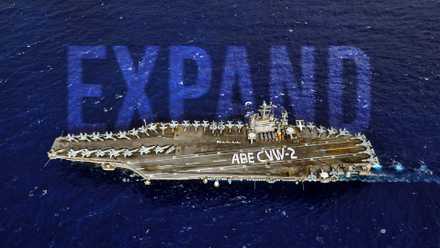
The structural differences between American service branches illuminate why total compensation comparisons across nations demand careful qualification. Navy fighter pilots access Sea Pay and Hardship Duty Location Pay tied to carrier deployments, while Air Force pilots draw Temporary Duty allowances associated with forward land-based operations. Marine Corps aviators, operating under a close-air-support mandate that blends naval and amphibious doctrine, can qualify for either category depending on the nature of their current deployment. This layered approach — where the same base pay table generates vastly different real-world compensation depending on operational context — is a recurring theme across all four nations examined. For the United Kingdom, which reportedly lags behind the others on average compensation, this dynamic is particularly significant, as headline salary comparisons consistently understate the financial gap when American allowance packages are fully accounted for.
China's People's Liberation Army Air Force presents the starkest contrast in compensation philosophy. The PLAAF maintains a deliberately opaque system in which modest baseline salaries — junior fighter pilots earn the equivalent of roughly $54,000 to $65,000 annually — are amplified by performance multipliers, hazard designations, and flight-hour premiums tied directly to operational intensity. The most consequential element for strategic observers is the outsized hazard compensation directed toward naval aviators conducting carrier flight operations in the Western Pacific and elite strike pilots flying advanced platforms such as the Chengdu J-20. These targeted supplements reportedly push China's top-tier operational pilots into compensation territory that rivals or exceeds American counterparts on a raw-dollar basis, representing a deliberate state investment in retaining the specific human capital necessary for high-end power projection missions.
For professional pilots in the commercial and business aviation sectors, this salary landscape carries direct operational relevance because military aviation pipelines remain the dominant source of experienced aviators entering Part 121 airline and Part 135 charter operations. The scale of American retention bonuses — with the USAF offering packages that can reach $600,000 over a contract period — reflects the sustained intensity of competition between military services and commercial operators for experienced flight crew. Every dollar the Pentagon commits to retention incentives represents a calculated response to the pull of airline hiring, and the inverse is equally true: when military retention packages expand, the available pool of transitioning aviators tightens, affecting commercial operator hiring timelines and training costs. Corporate flight departments operating under Part 91 and 91K that rely on former military pilots as their primary recruitment pool are embedded in this same competitive dynamic even when they operate at a remove from the most active hiring corridors.
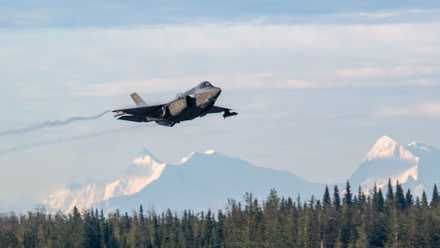
The broader pattern across all four nations examined reflects a global aviation workforce reality that extends beyond military compensation debates. Japan and China maintaining comparable average pay scales, the United Kingdom lagging on baseline figures despite operating world-class platforms, and the United States deploying an increasingly sophisticated toolkit of bonuses and allowances all point to a structural challenge common to every advanced air force: the technical expertise required to fly fourth- and fifth-generation combat aircraft is extraordinarily expensive to develop and increasingly difficult to retain as commercial aviation demand for experienced pilots remains elevated worldwide. For aviation operators and schedulers tracking crew availability and pipeline development, the trajectory of military compensation in each of these nations is a leading indicator of how pilot supply dynamics will evolve across both military and civilian aviation over the next decade.







 Read original article