Does The McDonnell Douglas MD-11's Tail Engine Have A Fan?
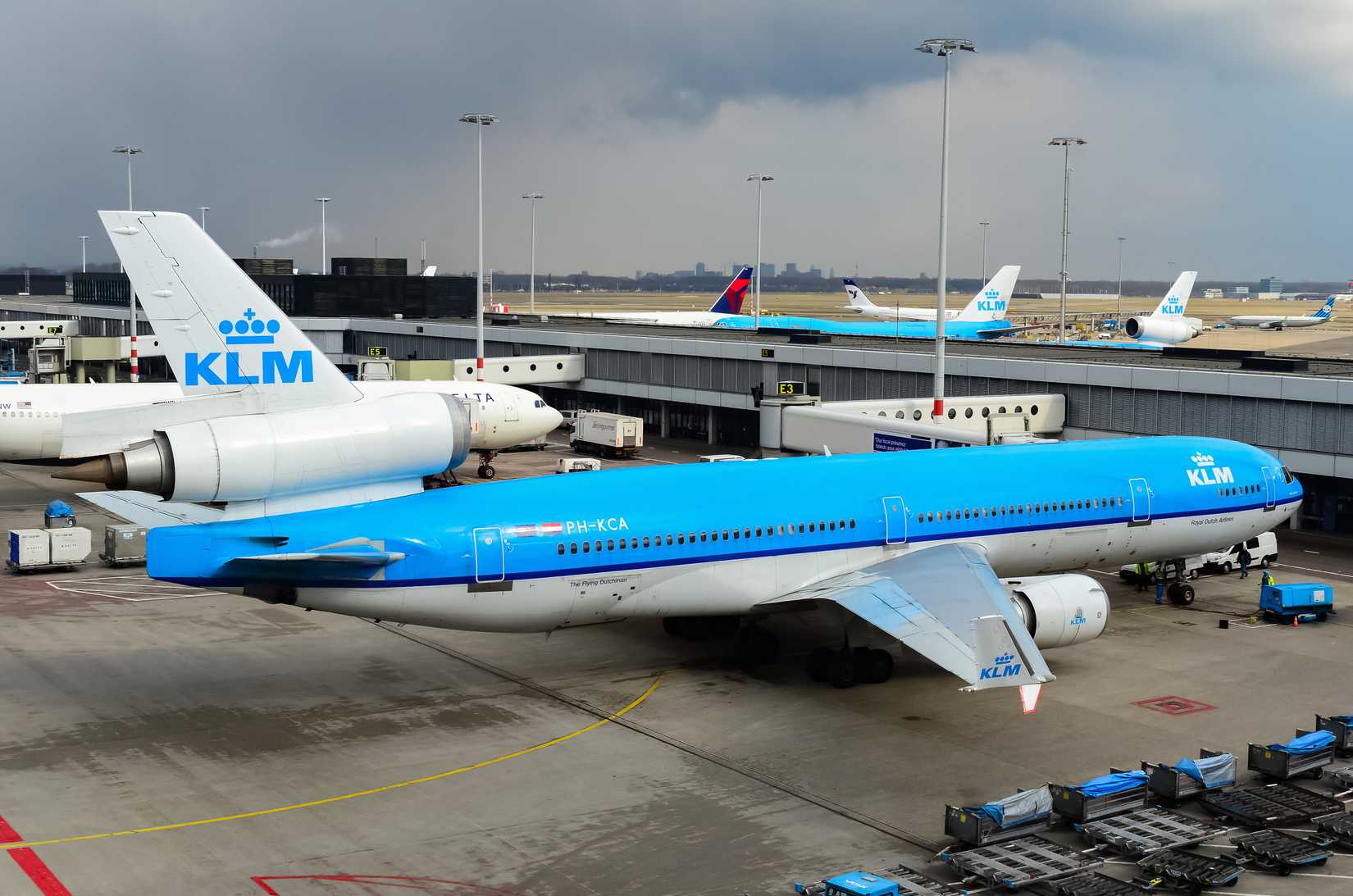
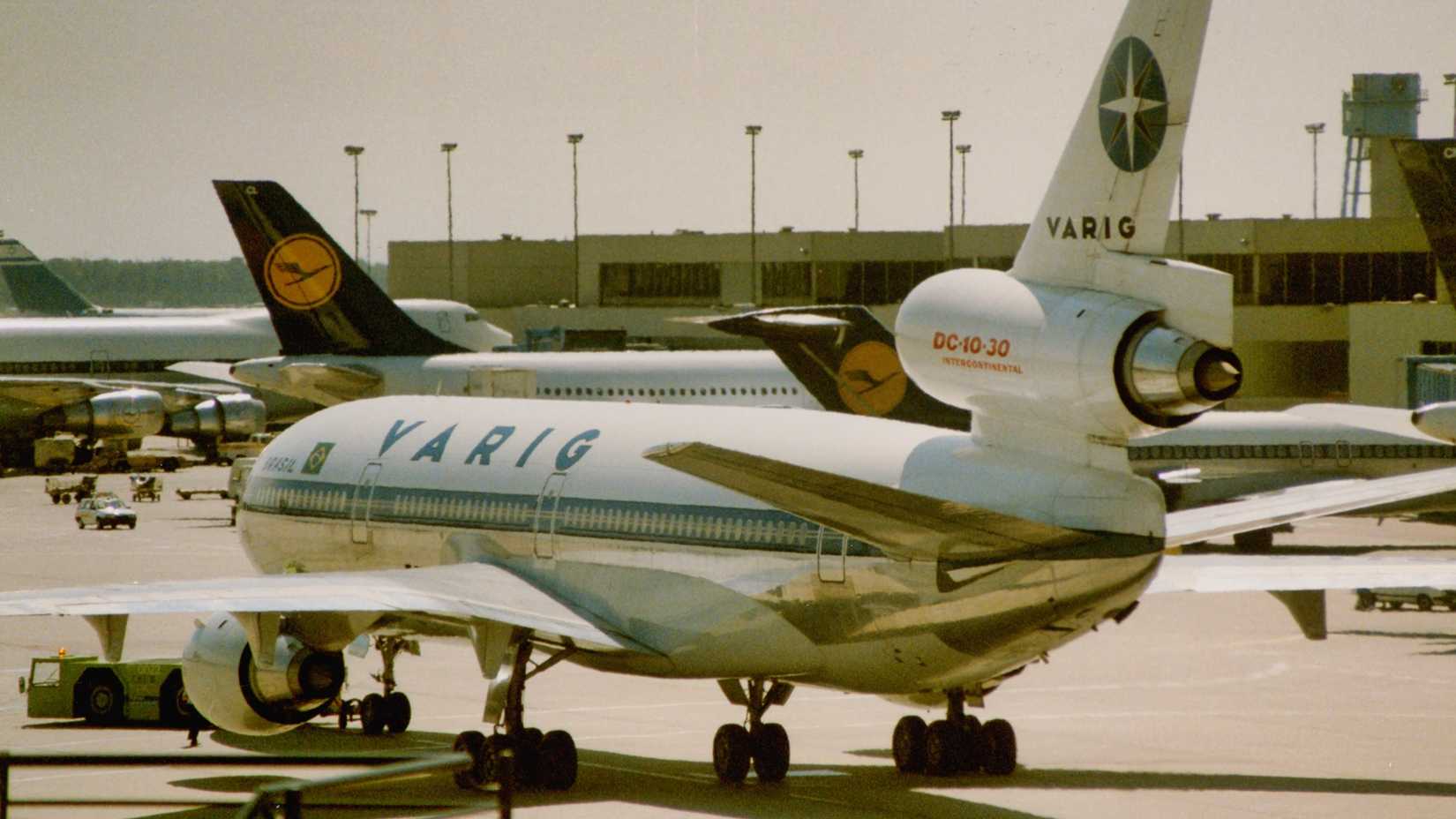
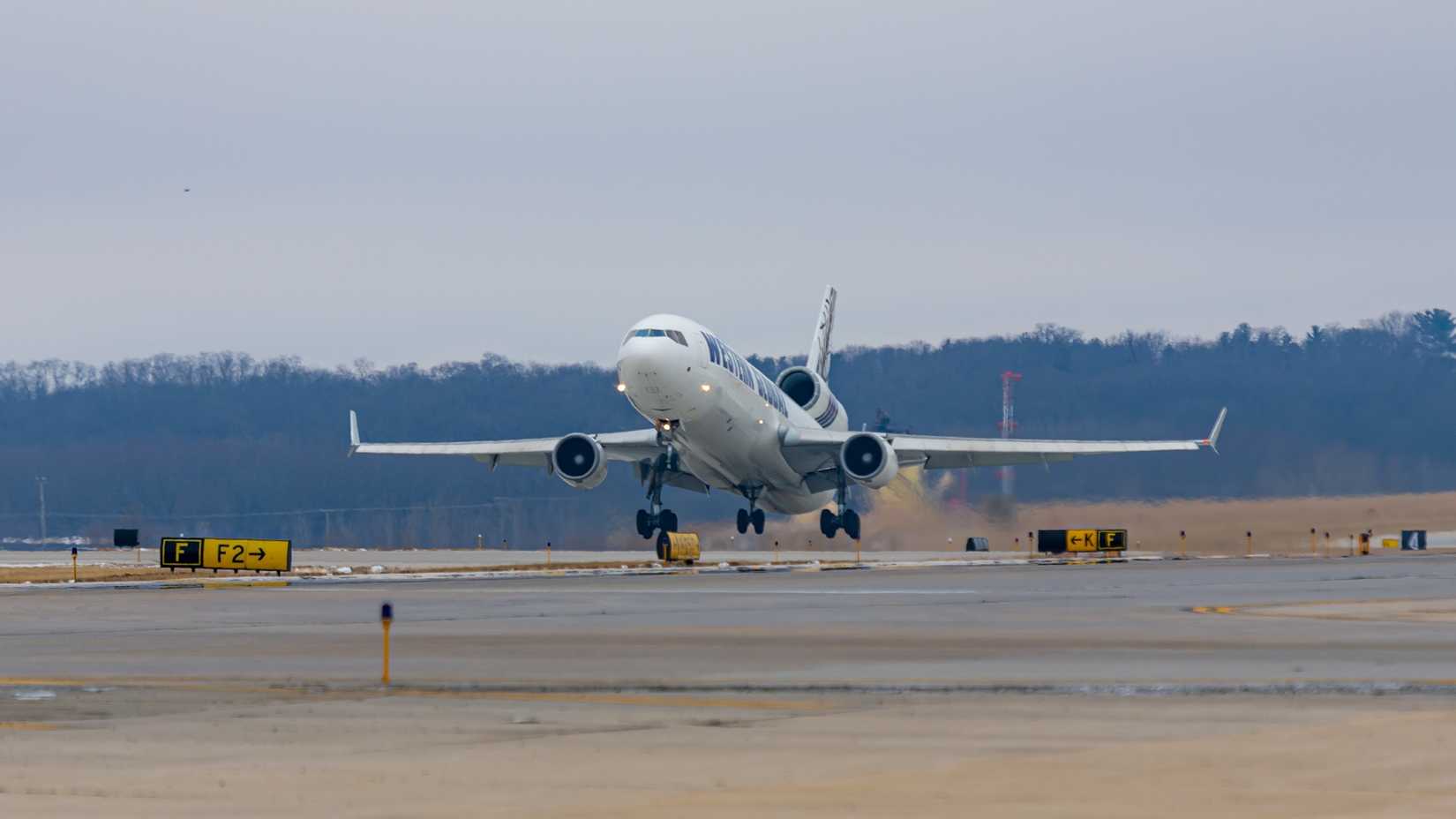
The McDonnell Douglas MD-11's center-mounted tail engine represents one of the most consequential design decisions in widebody aviation history — a choice rooted not in aerodynamic ambition but in economic pragmatism. Unlike virtually every other trijet in commercial service, including the Lockheed L-1011 TriStar, Boeing 727, Tupolev Tu-154, and modern Dassault Falcon series, the DC-10 and its MD-11 derivative mount the number two engine externally atop the rear fuselage, with a full fan and straight-through cowling rather than the industry-standard S-duct configuration. The S-duct design conceals the engine fan within the fuselage structure and draws air through a curved intake path, yielding better aerodynamics and a cleaner aerodynamic profile. The DC-10/MD-11 approach exposed the engine externally, sacrificing some aerodynamic efficiency for dramatically reduced development cost and greater long-term flexibility to accommodate larger, more powerful engine variants — a tradeoff that defined McDonnell Douglas's engineering philosophy throughout the program's life.
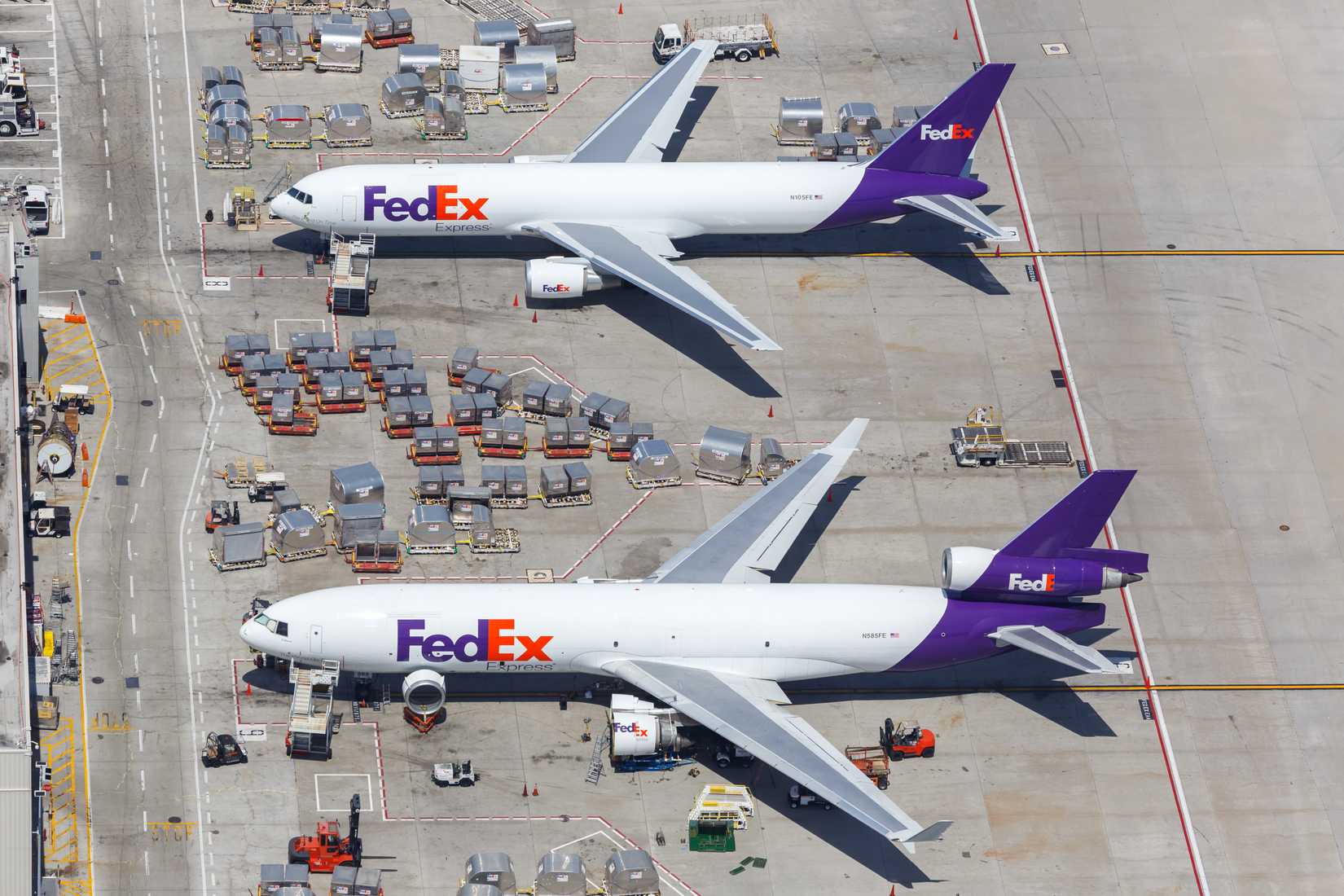
The practical implications of this design choice matter directly to crews who flew, or still fly, MD-11 freighters. The exposed tail engine configuration produces measurably different engine-out handling characteristics compared to S-duct trijets, a factor that contributed to several high-profile accidents and incidents throughout the type's operational history. Engine-out asymmetric thrust on the MD-11 generates yaw and pitch coupling that demands precise rudder and pitch trim management, and the aircraft's reduced empennage size — a weight-saving change introduced in the MD-11 over the DC-10 — further tightened the handling margins. Part 121 cargo operators who still operate MD-11F freighters, primarily FedEx Express, maintain type-specific training curricula that emphasize these characteristics, and the aircraft's sensitivity to pitch control remains a focal point in simulator training and stabilized approach standards.
The article's framing of the DC-10 versus L-1011 competitive dynamic illuminates a broader principle that remains relevant across modern aviation procurement: engineering elegance does not guarantee commercial success. The L-1011 incorporated a technically superior S-duct installation and pioneered fly-by-wire concepts, earning near-universal praise from flight crews and engineers. Yet McDonnell Douglas's less sophisticated, lower-cost approach, combined with earlier entry into service and established airline relationships, allowed the DC-10 to outsell the TriStar and ultimately survive it. This pattern recurs throughout aviation history — the Boeing 737's longevity over more technically advanced competitors being among the clearest modern examples — and it underscores that acquisition economics, operator familiarity, and parts ecosystem depth routinely outweigh pure technical merit in fleet decisions by airline and cargo operators.
The MD-11's commercial trajectory itself illustrates the compounding costs of incremental development strategy. Selling only approximately 200 units, the MD-11 failed to recoup development investment, a result tied directly to the type's positioning as a conservative derivative rather than a clean-sheet design at a moment when ETOPS-capable twinjets were rapidly eroding the operational rationale for trijets. By the late 1980s and early 1990s, Boeing 767 and Airbus A310 ETOPS certification was expanding transoceanic twinjet operations, eliminating the overwater restriction advantage that had originally justified the three-engine layout. For corporate and business aviation operators, the parallel is visible in the current market pressure on three- and four-engine business jets: the Dassault Falcon 7X and 8X retain S-duct center engine configurations for specific range and runway performance advantages, but the segment continues to shrink as long-range twinjets like the Global 7500 and Gulfstream G700 absorb the mission. The MD-11's story serves as a historically grounded case study in how engine architecture, regulatory environment, and market timing interact to determine whether an aircraft platform endures or becomes a footnote.






 Read original article