Next union showdown looms in Boeing’s new era of never-ending labor talks
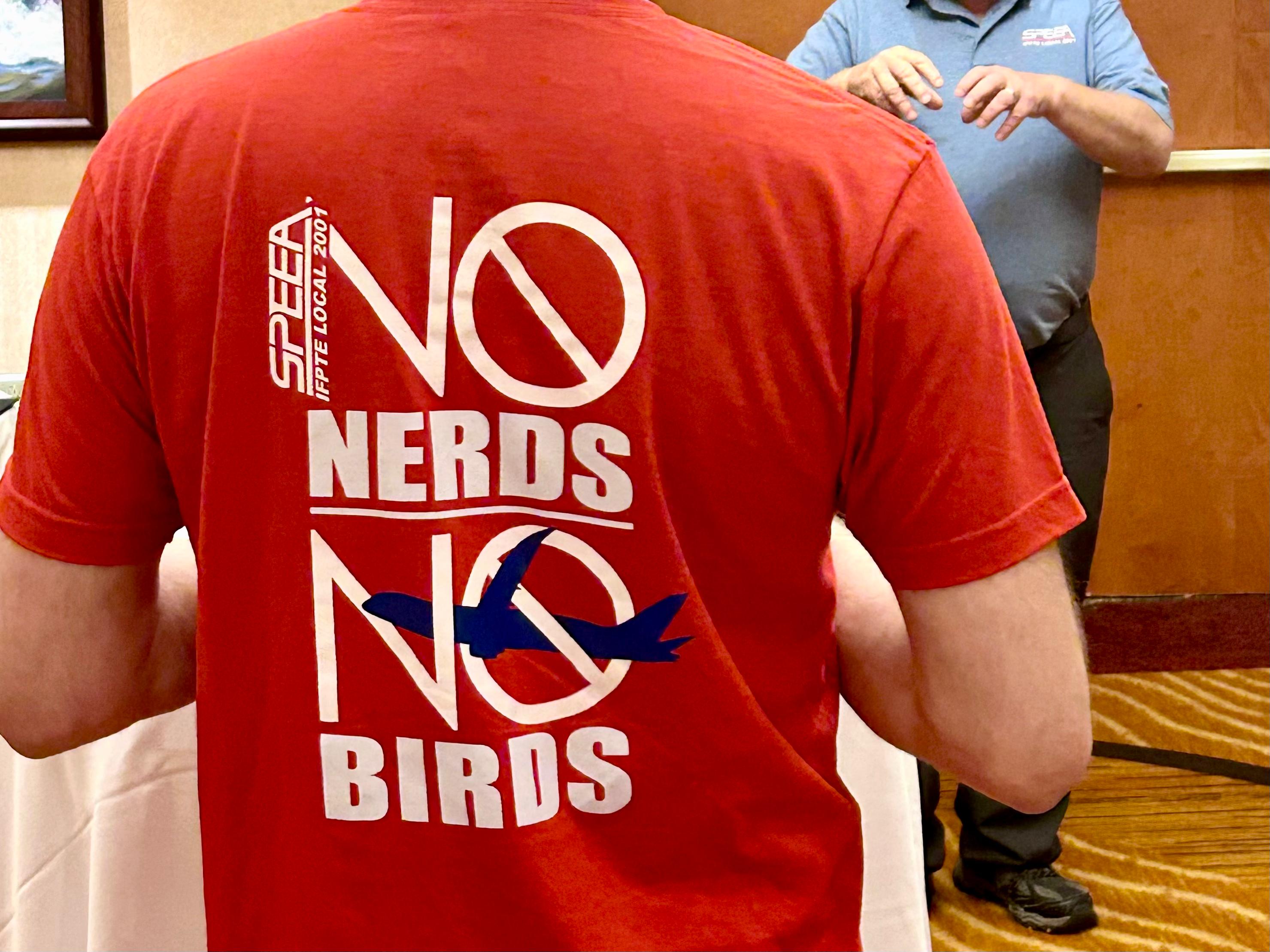
Boeing's engineering and technical workforce is preparing for its most consequential contract fight in more than a decade, with the Society of Professional Engineering Employees in Aerospace (SPEEA), IFPTE Local 2001, mobilizing approximately 17,000 members ahead of a contract expiration on October 6. The campaign, characterized by Wednesday red-shirt demonstrations carrying the slogan "No Nerds, No Birds," signals an unusually assertive posture from a white-collar union that has historically favored quieter negotiations. SPEEA's stated priorities include remote work protections, guardrails around artificial intelligence deployment, and a return to what the union calls market-leading compensation — issues that reflect broader professional workforce anxieties rather than the traditional hourly-worker concerns of wages and overtime. The union's membership includes not only design and systems engineers but also Boeing-employed pilots and other technical professionals, making this contract fight directly relevant across the aviation workforce spectrum.
The backdrop is a Boeing in genuine institutional crisis. New CEO Kelly Ortberg, who took over in 2024, inherited a company already battered by the 737 MAX certification disasters and quality escapes, and was then immediately confronted with a crippling strike by the International Association of Machinists that halted commercial jet production on the West Coast. A separate strike at Boeing's St. Louis military aircraft facilities followed in 2025. The cumulative production disruptions have deepened Boeing's cash burn, delayed aircraft deliveries to airlines and lessors by months or years, and complicated the company's ability to recertify and ramp production on programs including the 737 MAX and 777X. SPEEA's somewhat sardonic adoption of Ortberg's own "Give a damn" cultural initiative as a union rallying cry underscores a workforce that is skeptical of top-down culture resets while the underlying structural and financial problems remain unresolved.
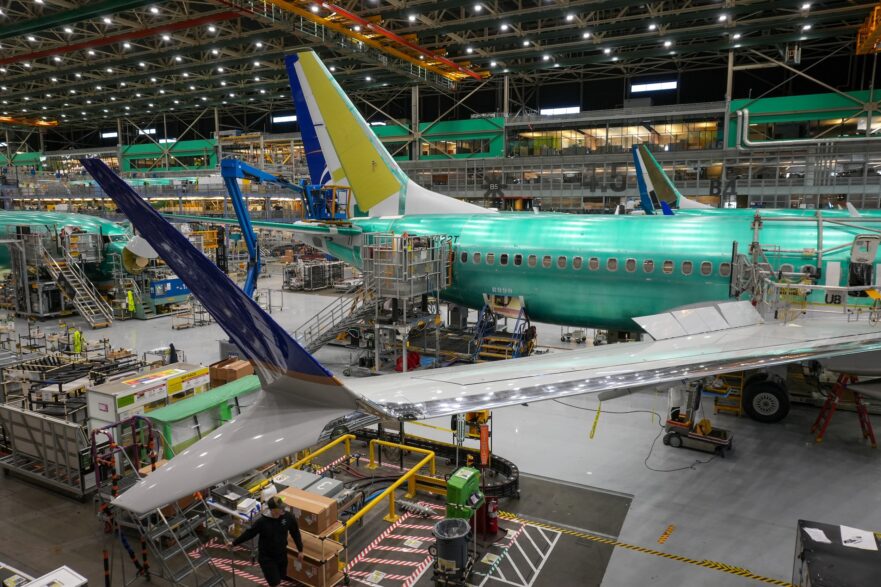
For airline and corporate flight departments, the significance of a potential SPEEA work action extends well beyond labor relations optics. Engineers and technical workers are the functional backbone of Boeing's type design authority, airworthiness documentation, and certification programs. A prolonged SPEEA dispute — even a work-to-rule action short of a full strike — would likely cascade into further delays on the 777X entry into service, slow the pace of MAX production ramp, and potentially stall any regulatory engagement with the FAA on outstanding certification items. Operators currently holding purchase agreements or options on undelivered aircraft should treat the October 6 contract expiration as a planning variable, since delivery schedule slippage is the most probable near-term consequence of any labor disruption at the engineering level.
The SPEEA negotiation also illustrates a structural dynamic now embedded in Boeing's operating environment: the company faces overlapping, sequential labor cycles rather than infrequent, isolated contract renewals. Machinists, military factory workers, and now engineers are negotiating in close proximity, each informed by the outcomes of the previous fight and each aware of Boeing's financial vulnerability as a source of leverage. The AI and remote-work provisions on the SPEEA table are particularly notable because they presage similar demands likely to emerge across the broader aerospace and MRO sector, where automation tooling in design, stress analysis, and certification documentation is advancing rapidly. How Boeing negotiates those provisions will set informal benchmarks watched by Airbus, the major engine OEMs, and tier-one suppliers managing their own professional workforces. The phrase "No Nerds, No Birds" is blunt, but it accurately summarizes the dependency chain: aircraft cannot be designed, modified, or certified without the technical workforce that contract talks this summer will either retain or further alienate.