JetZero Archives - Leeham News and Analysis
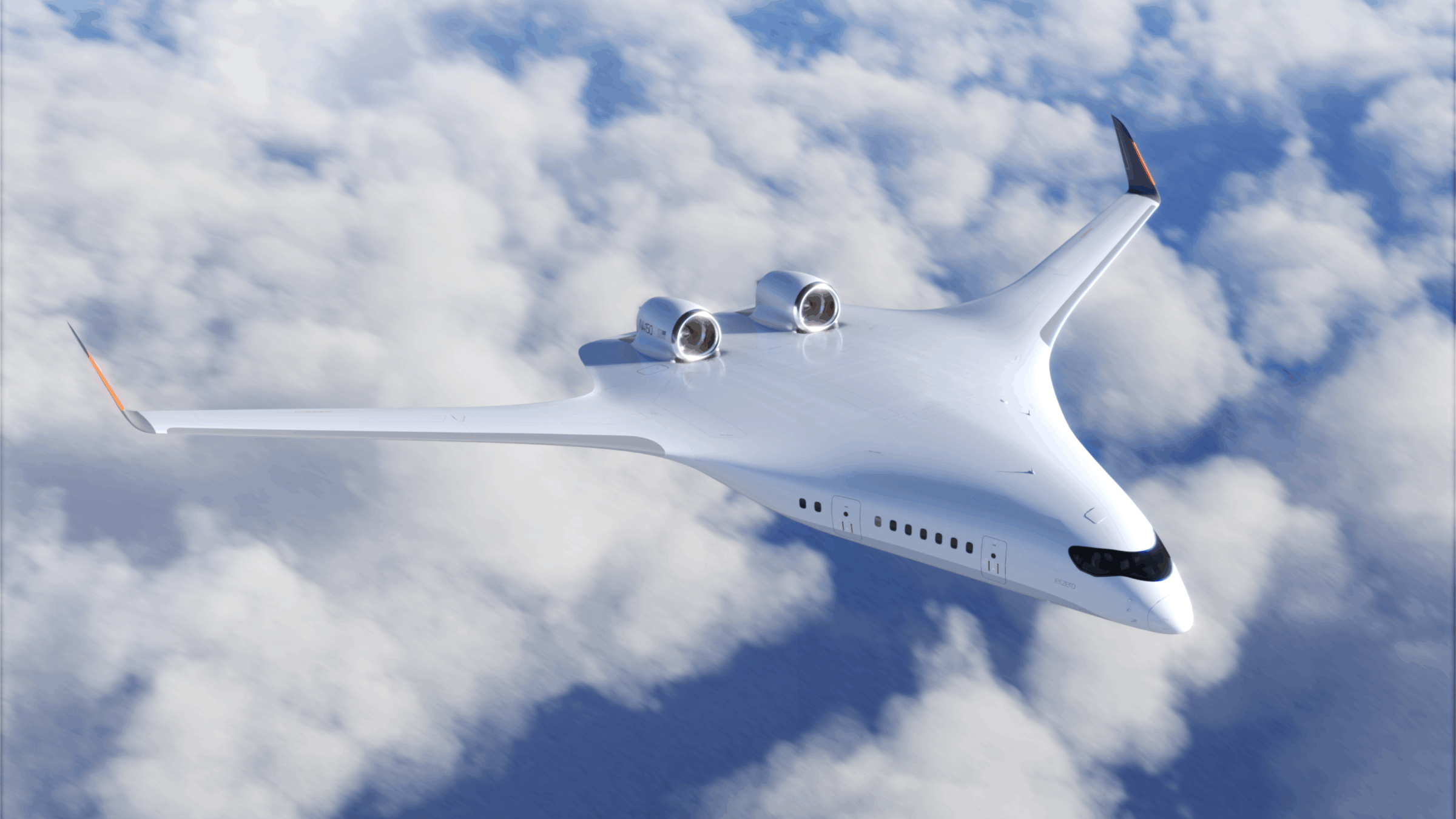
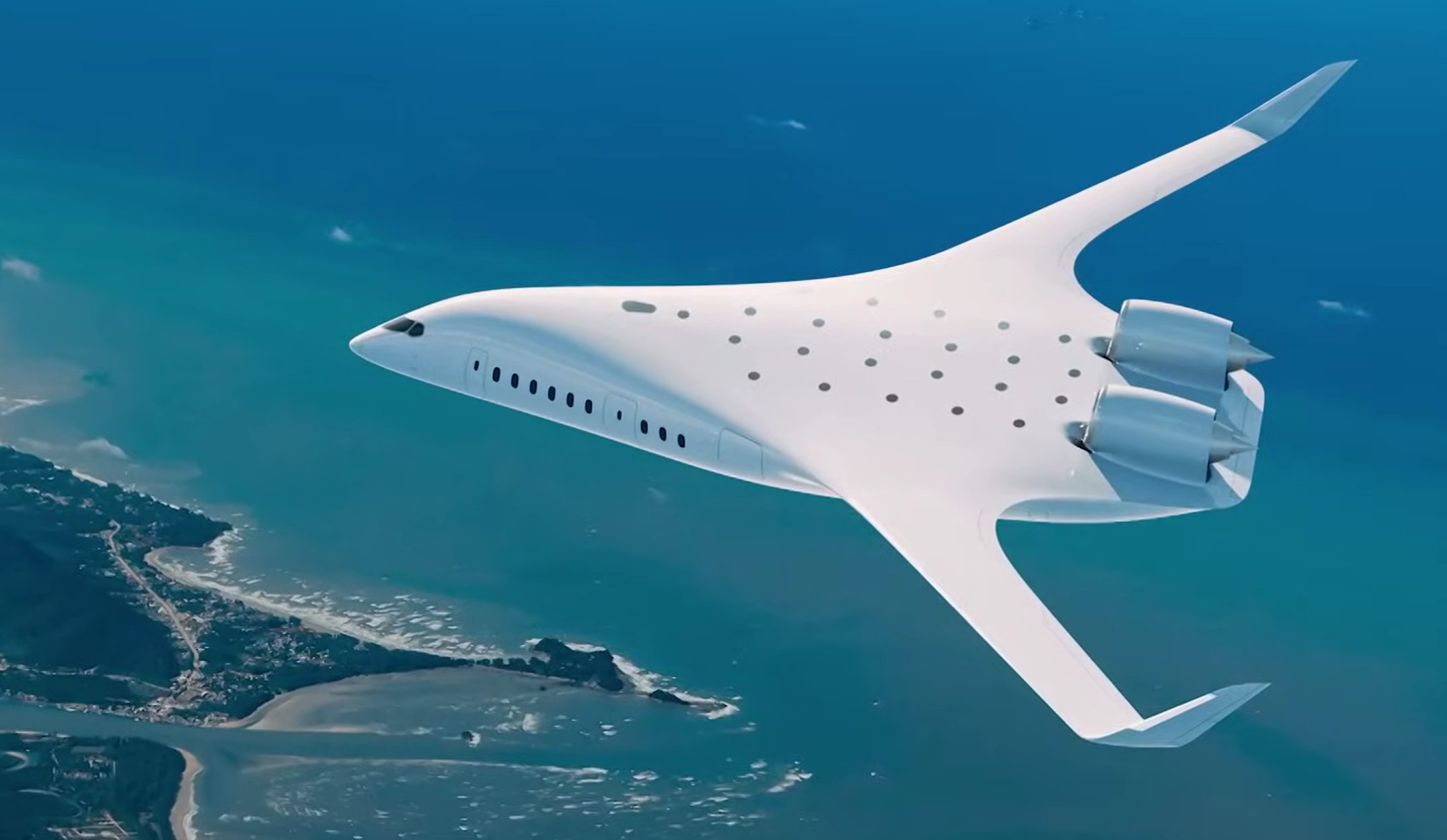
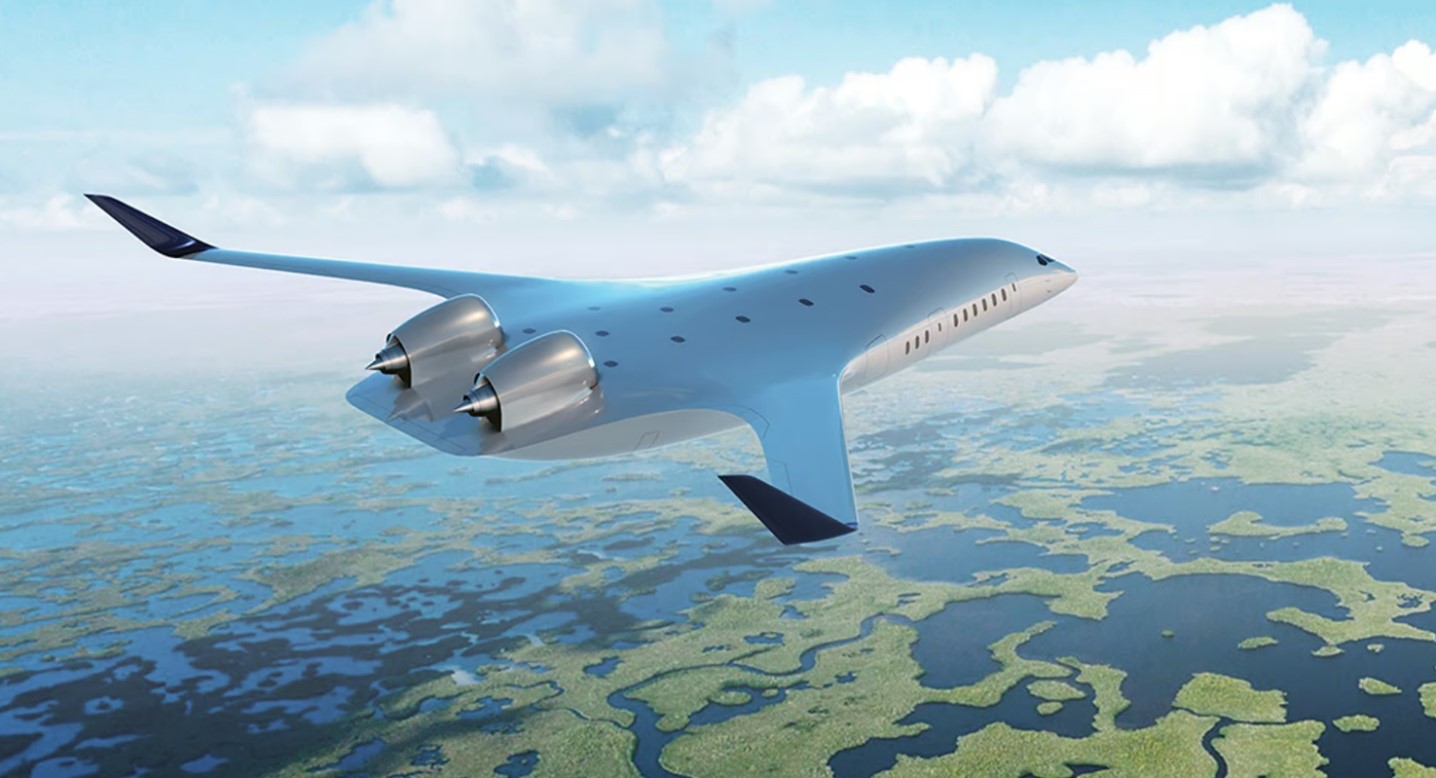
The Blended Wing Body (BWB) aircraft concept has re-entered serious technical debate following presentations by JetZero and Natilus at the American Institute of Aeronautics and Astronautics annual convention in San Diego, where both startups defended the design's efficiency promises against skepticism from established OEMs and independent analysts alike. JetZero's flagship concept, the Z4, targets 250-passenger capacity and proposes a fundamentally different approach to commercial airliner architecture by eliminating the conventional tube fuselage and empennage in favor of a lifting-body configuration where the entire airframe generates lift. Airbus, Boeing, and Leeham News's own technical analysis have raised substantive doubts about whether those promised efficiency gains materialize in practice, while JetZero and Natilus counter that the established duopoly's reluctance stems from protecting existing product lines rather than any genuine engineering deficiency in the BWB concept — a pointed argument given that Boeing absorbed McDonnell Douglas in 1997 and, with it, decades of proprietary BWB research that has never been commercialized.
Leeham's ongoing nine-part technical series authored by Bjorn Fehrm has systematically unpacked the genuine engineering complexity behind the BWB's theoretical advantages. Two challenges stand out as particularly consequential for eventual airworthiness certification. First, the Z4's optimal cruise altitude sits roughly 10,000 feet higher than a conventional tube-and-wing aircraft, which drives a need for engines with higher specific thrust — meaning lower bypass ratios — running directly counter to the industry's decades-long trend of increasing bypass ratios to reduce fuel burn. This forces engine partners including CFM, Pratt & Whitney, and Rolls-Royce to essentially develop specialized powerplants rather than adapt existing high-bypass turbofans. Second, structural weight savings are less straightforward than the concept's advocates suggest: while the BWB eliminates the cylindrical pressure vessel fuselage and tail assembly, the non-cylindrical pressure vessel geometry of the passenger cabin imposes significant structural penalties because non-circular cross-sections are far less efficient at containing pressurization loads, requiring heavier and more complex structural solutions.
For working pilots and aviation operators, the practical implications extend well beyond the distant promise of a more fuel-efficient airliner. Passenger experience questions — particularly the absence of traditional side windows replaced by wide-screen displays and overhead skylights — remain unresolved from a human factors and regulatory standpoint, raising questions about how crews would manage passenger anxiety in abnormal and emergency situations. The emergency egress problem is more acute: water ditching scenarios present a potential certification showstopper, since the BWB's geometry may not maintain sufficient freeboard to keep exit doors above the waterline, potentially requiring roof-mounted escape hatches with attendant crew training implications entirely unlike anything in current airline or business aviation SOPs. FAA and EASA certification pathways for a configuration this divergent from existing standards would almost certainly require new airworthiness regulations, adding years and hundreds of millions of dollars to any development timeline.
The broader competitive landscape for these BWB startups is shaped by the timeline paralysis at the two dominant OEMs. Boeing has internally conceded its 737 MAX replacement will not enter service before 2040, and Airbus, despite public statements from CEO Guillaume Faury about a 2038 A320neo successor, faces internal dissent concluding that enabling technologies — primarily next-generation engines — will not mature until the 2040s. This protracted delay in new tube-and-wing development creates a window in which a credible BWB program could theoretically reach market, but it simultaneously reflects how difficult and expensive new commercial aircraft programs have become. JetZero CEO Tom O'Leary, a veteran of Tesla and eVTOL startup BETA Technologies, is explicitly importing a Silicon Valley product-development cadence into the program, betting that speed and risk tolerance can overcome the conservative certification and manufacturing ecosystems that have historically lengthened commercial airliner development cycles to fifteen years or more. Whether that ethos is a competitive advantage or a liability when dealing with FAA certification requirements, airframe fatigue testing regimes, and airline procurement cycles remains the central unanswered question surrounding the entire BWB commercial aviation thesis.





 Read original article