Blended Wing Body Archives - Leeham News and Analysis
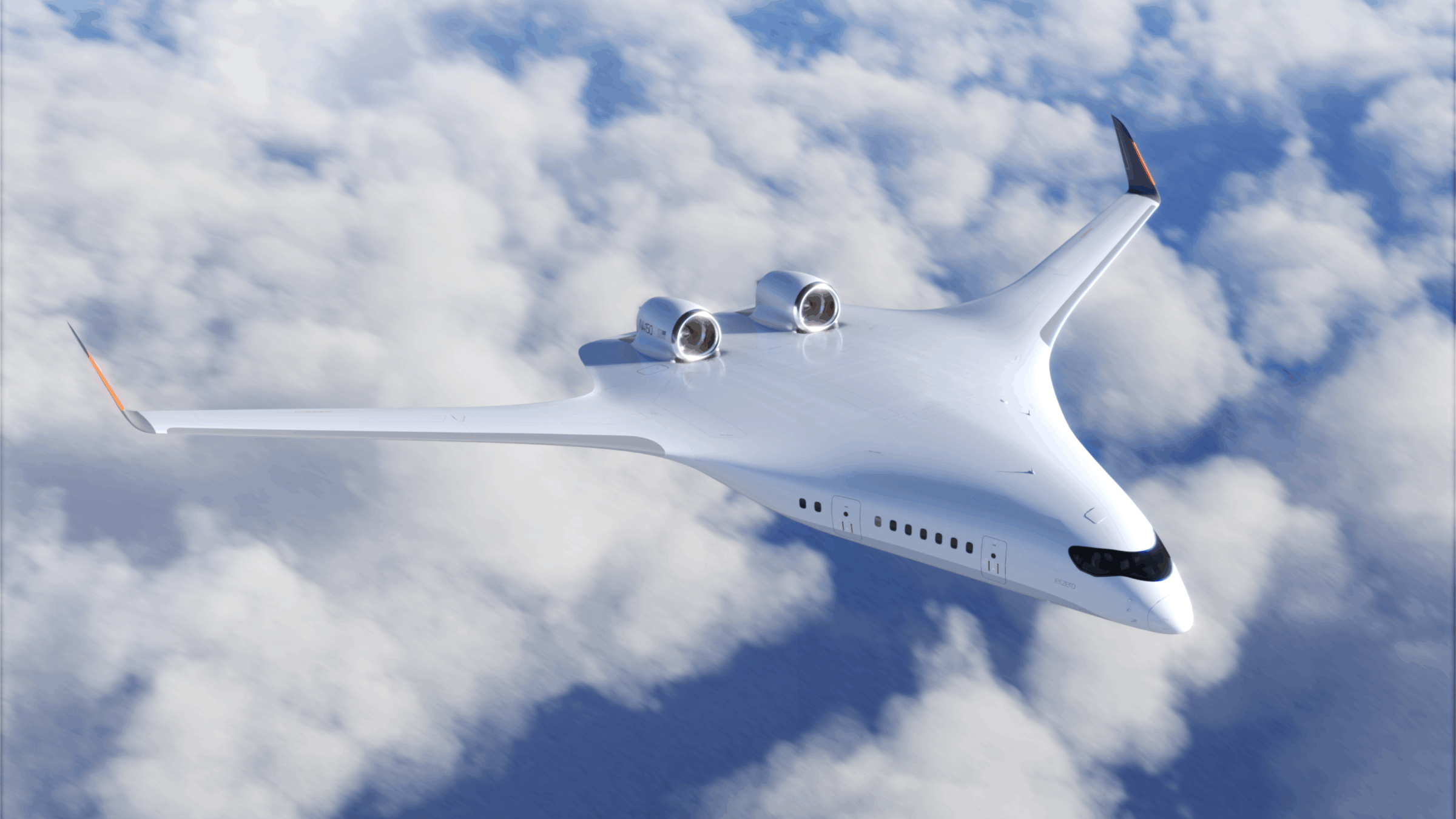
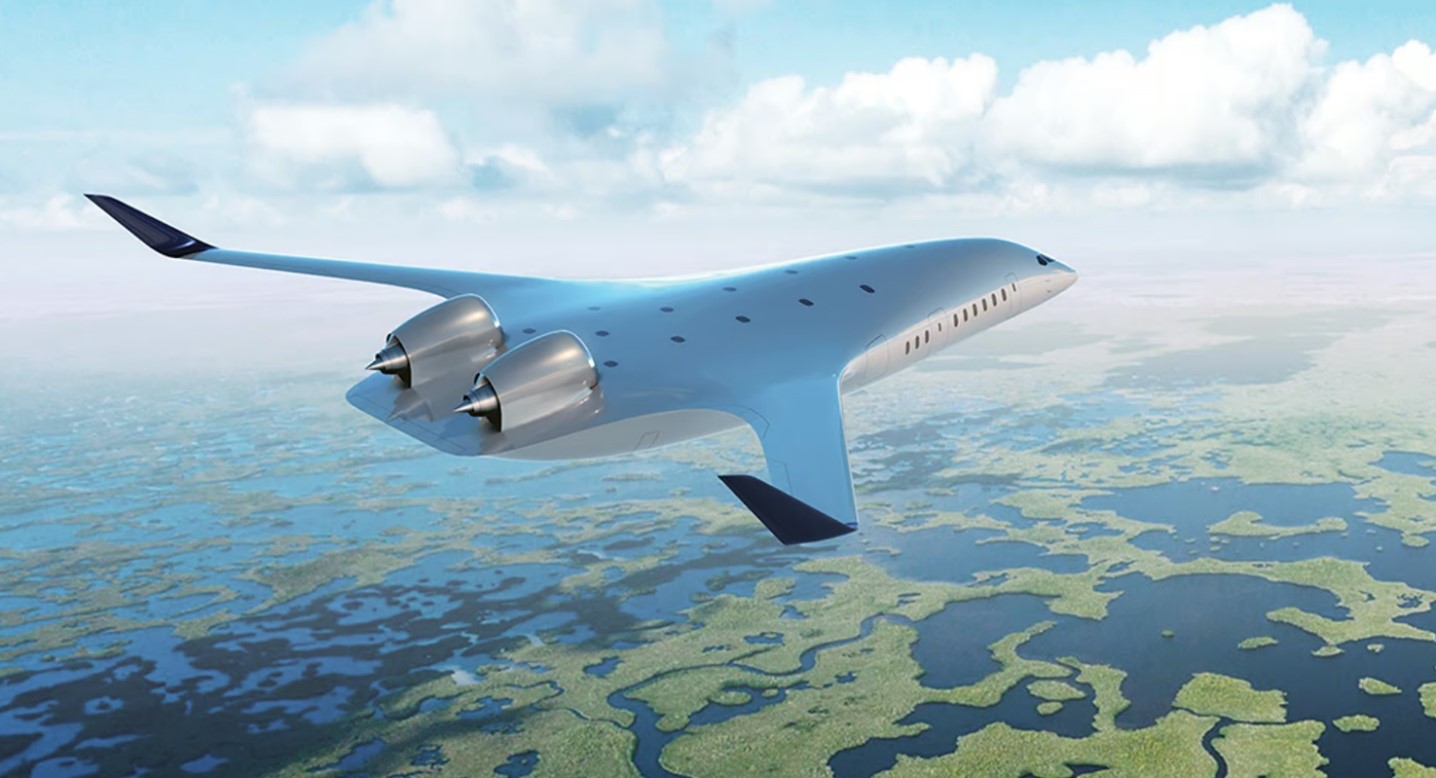
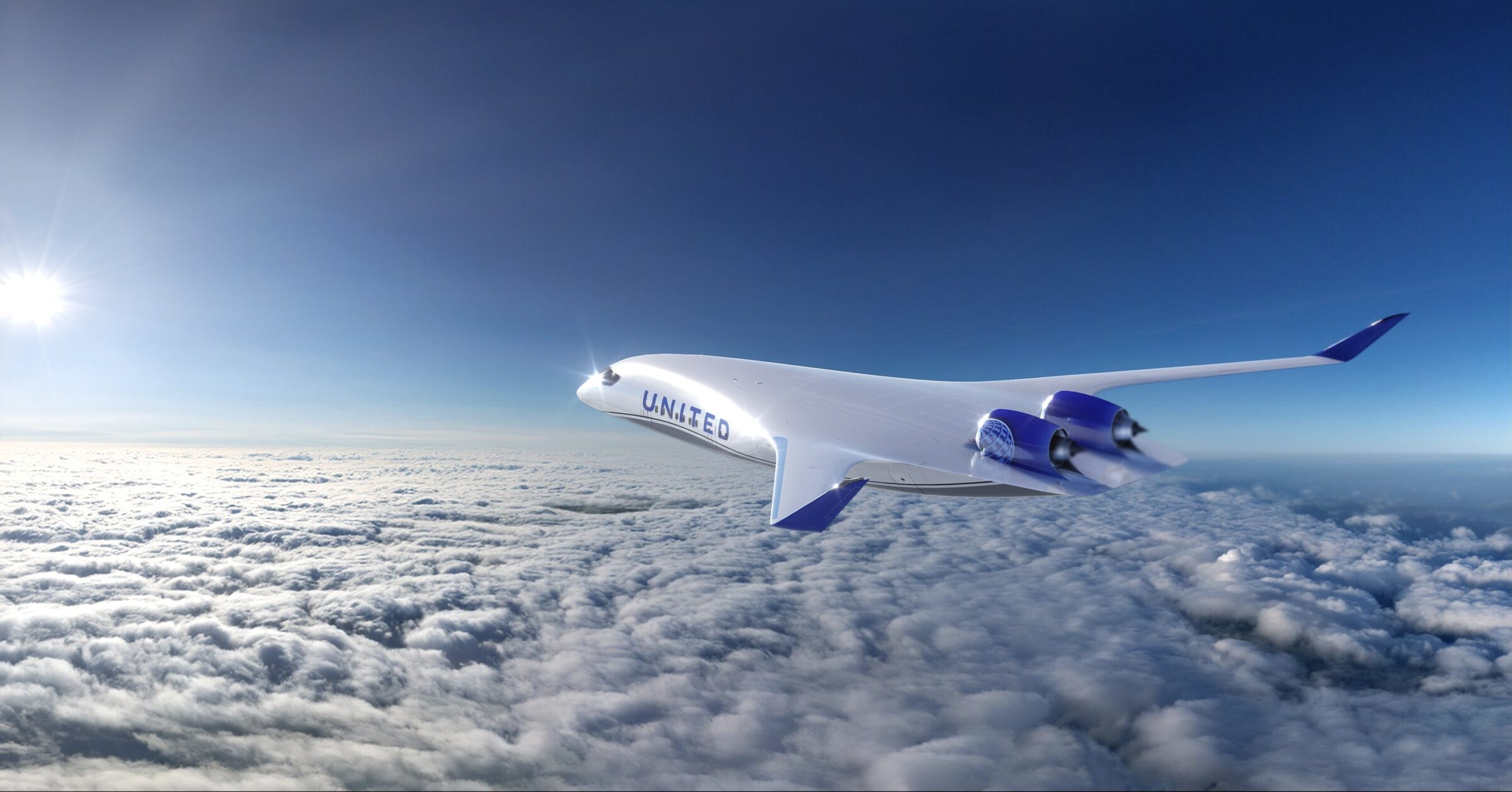
The Blended Wing Body (BWB) aircraft concept, long studied in aerospace research circles, has re-emerged as a serious commercial proposition through startups JetZero and Natilus, even as the two dominant airframe manufacturers and independent analysts at Leeham News remain unconvinced by the claimed efficiency gains. JetZero's Z4, a 250-seat concept positioned to compete in the narrowbody-to-mid-widebody market segment, served as the focal analysis subject across a nine-part technical series by Leeham analyst Bjorn Fehrm, culminating in a June 2026 confrontation at the American Institute of Aeronautics and Astronautics (AIAA) convention in San Diego. There, representatives from JetZero and Natilus argued that Airbus and Boeing have historically suppressed BWB development to protect their existing tube-and-wing (TAW) product lines and avoid investor disruption — a pointed charge given that Boeing absorbed McDonnell Douglas in 1997 and inherited decades of Boeing/MDD BWB research without ever advancing it toward a launch decision.
The technical case against BWB, as Fehrm's series documents, centers on several compounding engineering challenges that undercut the concept's theoretical efficiency promise. Unlike conventional TAW aircraft, where cabin pressure loads are efficiently managed by a cylindrical fuselage and wing structural loads are isolated in a continuous wingbox, the BWB blends these load paths into a single wide box-like structure. The result is fatigue-sensitive bending stress from pressurization cycling that is difficult to mitigate — a structural liability that erodes the weight savings BWB proponents cite from eliminating the conventional fuselage and empennage. Additionally, the aerodynamic profile of the Z4 is dominated by wetted-area friction drag rather than induced drag, which drives the aircraft's optimal cruise altitude approximately 10,000 feet higher than a comparable TAW airliner. That altitude differential demands engines with higher specific thrust, meaning lower bypass ratios — directly contradicting the industry-wide engine development trajectory toward higher bypass ratios and improved propulsive efficiency that has defined every major powerplant program from the CFM LEAP to the Pratt & Whitney GTF.
For airline operators and fleet planners, these are not abstract engineering debates. The engine compatibility issue alone is commercially disruptive: a BWB airliner requiring purpose-engineered, lower-bypass powerplants would face a separate MRO ecosystem, reduced supplier competition, and certification timelines that run parallel to rather than leveraging existing engine families from CFM, Pratt & Whitney, or Rolls-Royce. The passenger experience question adds further commercial uncertainty — the Z4's cabin replaces traditional side windows with wide-screen displays and relies on overhead skylights for natural light, a configuration with no empirical passenger acceptance data at scale. Emergency egress planning also surfaces a non-trivial certification hurdle: water ditching scenarios may submerge conventional exit doors before evacuation is complete, potentially requiring roof-mounted emergency exits paired with interior access provisions, a design requirement with no regulatory precedent under current FAA or EASA frameworks.
The broader context for professional operators is that the BWB debate reflects the aviation industry's increasingly urgent search for a step-change in fuel efficiency beyond what incremental TAW improvements can deliver. With sustainable aviation fuel supply constrained and carbon pricing pressures mounting across international routes, airlines and business aviation operators face a long-term structural cost problem that neither the 737 MAX nor A320neo family fully resolves. BWB proponents argue the configuration can deliver 20–30 percent fuel burn reductions over current-generation narrowbodies — a figure that, if validated in service, would represent a generational shift comparable to the transition from first-generation jets to high-bypass turbofans. The fact that JetZero has secured U.S. Air Force tanker interest for a BWB demonstrator adds a degree of government-backed validation that pure commercial startups rarely achieve, and suggests the concept will continue advancing toward a full-scale prototype regardless of Airbus and Boeing's institutional skepticism. Whether the Z4 or a Natilus freight-focused derivative ever enters commercial service at scale, the technical findings documented in Leeham's series will serve as a critical reference for any operator, lessor, or fleet planner evaluating BWB claims in the years ahead.






 Read original article