Why Emirates Just Deleted 46 Seats From Its Densest Airbus A380
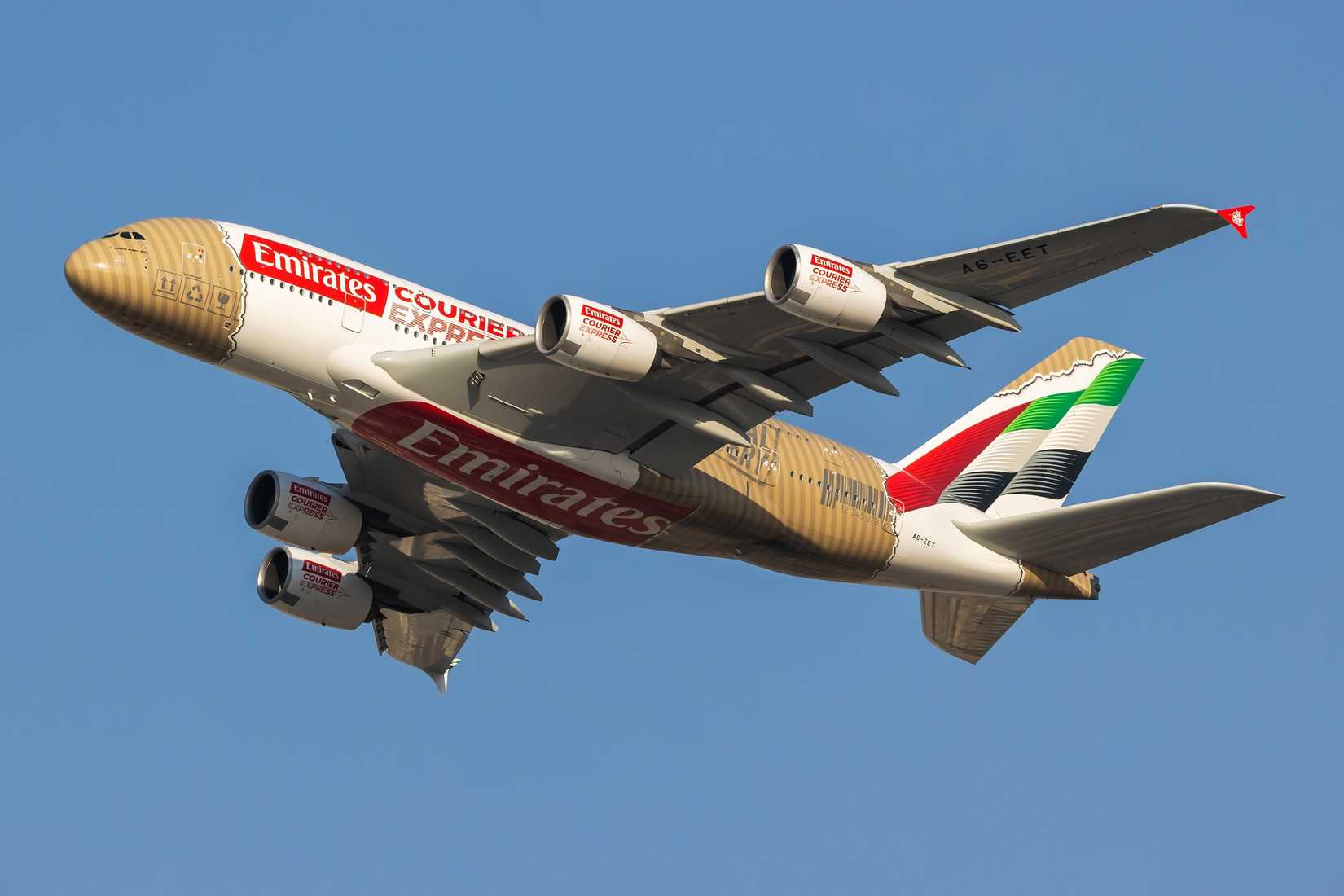
Emirates' decision to remove 46 net seats from its highest-density Airbus A380 subfleet represents one of the most significant widebody cabin strategy reversals in recent commercial aviation history. The carrier is converting a two-class, 615-seat configuration into a three-class, 569-seat layout as part of a $5 billion modernization program covering 219 total aircraft. The surgical reconfiguration adds 18 business class seats, introduces a 56-seat premium economy cabin where none previously existed, and removes 120 economy seats — a deliberate, data-driven trade of raw capacity for yield quality. The first completed aircraft, registered A6-EUX, entered service on the Dubai–Amman corridor in April 2026 before transitioning to the Birmingham route after planned Prague operations were disrupted by ongoing regional conflict.
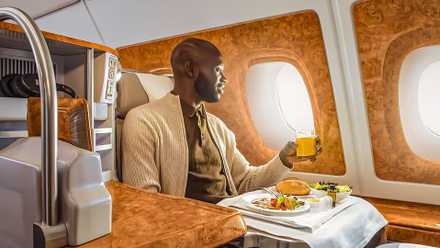
The strategic logic underpinning this program is rooted in a fundamental shift in post-pandemic passenger behavior that revenue management teams across the industry have been tracking closely. Premium leisure travel — distinct from traditional corporate travel — has sustained unusually strong growth since 2022 and continues to outperform economy segment recovery on a yield-per-seat basis. Emirates is effectively monetizing this behavioral shift by repositioning its A380 fleet away from mass-transit economics toward a model where fewer seats generate comparable or superior total revenue per departure. The introduction of premium economy is particularly significant; it fills what has historically been a fare-class gap on Emirates metal, capturing passengers who have priced themselves out of business class but who consistently decline to accept a standard economy experience on longer hauls.
For airline and corporate flight operations professionals, the subfleet segmentation strategy Emirates is executing has direct implications for charter pricing benchmarks, corporate travel contract negotiations, and competitive positioning on thin-frequency routes. When a carrier deploys premium-configured widebodies to secondary and regional capitals — cities where slot constraints or runway limitations prevent frequency increases — it effectively removes the low-fare pressure valve that economy-heavy aircraft provide. Airlines serving those same markets with narrow-body or smaller widebody equipment may face upward fare pressure as Emirates captures the upper tier of demand with a product that previously required a connection through a major hub. The Birmingham deployment is a practical example: a mid-sized European gateway where slot and infrastructure limitations are real, and where business and premium leisure demand from the Gulf region is mature.
The broader trend Emirates is executing at scale is one being observed across legacy widebody operators globally. Carriers including British Airways, Lufthansa, and Singapore Airlines have each moved in recent years to densify premium cabins and reduce economy seat counts on selected long-haul aircraft, responding to the same underlying yield dynamics. What distinguishes the Emirates program is its scope — 219 aircraft and $5 billion in committed investment — and the fact that it is being applied to the A380, an airframe that was itself originally criticized for being too large and too dependent on high seat counts to pencil out economically. That Emirates is now deliberately shrinking capacity on that same aircraft in pursuit of premium yields signals a level of confidence in sustained premium demand that has significant implications for network planning assumptions across the industry. For operators monitoring competitive dynamics on intercontinental routes, this reconfiguration is a leading indicator of where commercial aviation's revenue architecture is heading in the near term.








 Read original article