The Aircraft Set To Replace The Largest Quadjet In The World
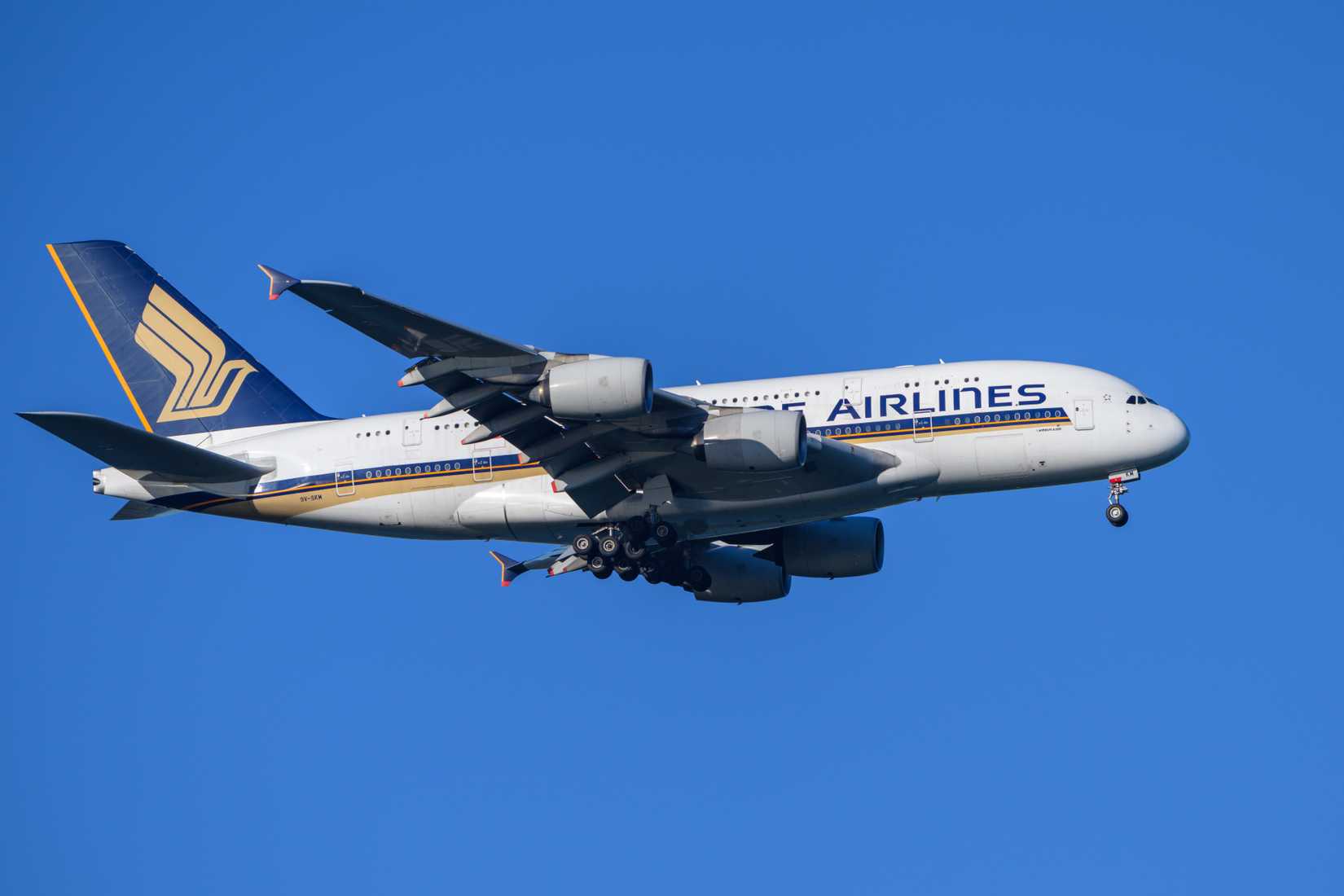
The gradual retirement of the Airbus A380 from passenger service marks one of the most significant strategic pivots in commercial aviation history, and the aircraft poised to absorb its routes represent a fundamental rethinking of how ultra-long-haul, high-density flying gets done. No single successor exists. Instead, the industry is converging on a two-platform answer: the Airbus A350-1000 and the Boeing 777-9, each capturing different segments of what the A380 once served. The A380's statistics remain staggering even in retrospect — a 263-foot wingspan, capacity for more than 800 passengers in all-economy layouts, and range exceeding 8,000 nautical miles — but those same dimensions became liabilities as airlines demanded operational flexibility that a 500-plus-seat double-decker structurally could not provide.
The economics driving this transition are straightforward for operators to understand. The A380's requirement for specialized gate infrastructure, reinforced taxiways, and dual-jetbridge boarding systems limited it to roughly 40 airports worldwide capable of handling regular superjumbo operations. The twin-engine successors eliminate that constraint entirely. The A350-1000, constructed predominantly from composite materials, delivers meaningfully lower fuel burn per seat than any four-engine widebody while seating between 350 and 410 passengers in standard three-class configurations. Airbus has explicitly closed the door on a stretched A350-2000 variant, with its commercial head of marketing pointing to the -1000 as sufficient to absorb both A380 and 777-300ER retirements. Qantas has already structured its fleet transition around this thesis, planning to phase the A380 out entirely in favor of the A350-1000 by the early 2030s — a decision with direct implications for how Sydney, London, Dallas, and other hub-to-hub routes will be staffed, scheduled, and crewed.
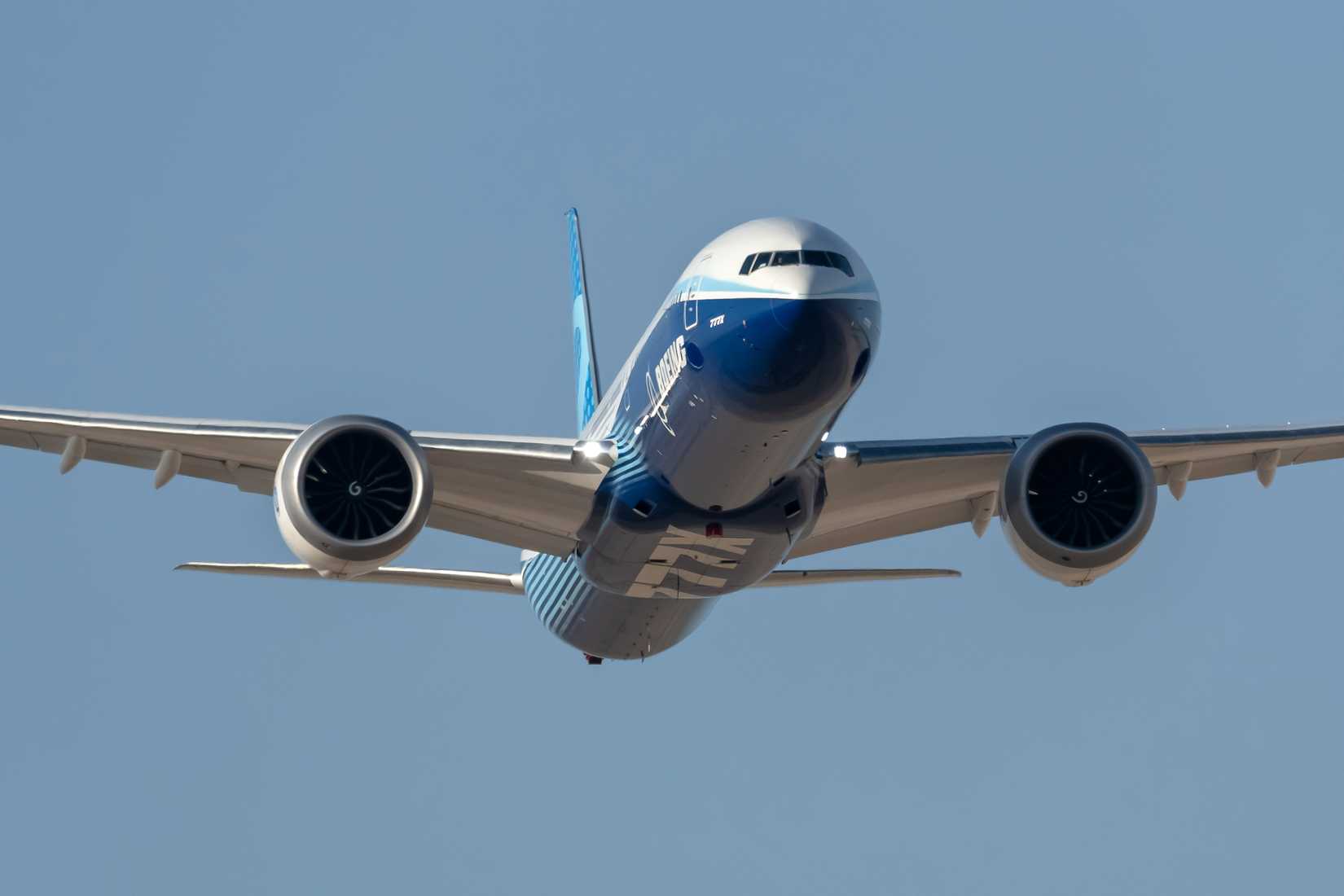
The Boeing 777X, specifically the 777-9 variant, represents the closest capacity match to the A380 among twin-engine aircraft, seating 400 to 425 passengers in standard configurations with a maximum approaching 500. Its GE9X engines and composite construction target the same fuel efficiency goals as the A350, but its 235-foot wingspan — addressed through folding wingtips that retract to airport-compatible dimensions on the ground — gives it a physical flexibility the A380 never possessed. Emirates, which absorbed more than 123 of the 251 A380s ever delivered and built its entire hub-and-spoke model around the superjumbo's density, has committed to over 205 777X aircraft as the designated successor. That single operator's transition will reshape slot allocations and terminal planning at Dubai International and at dozens of spoke airports worldwide. For pilots holding 777 type ratings or pursuing widebody transitions, the 777X's operational profile represents a logical progression, though Boeing's certification delays have pushed near-term entry into service plans well beyond original projections.
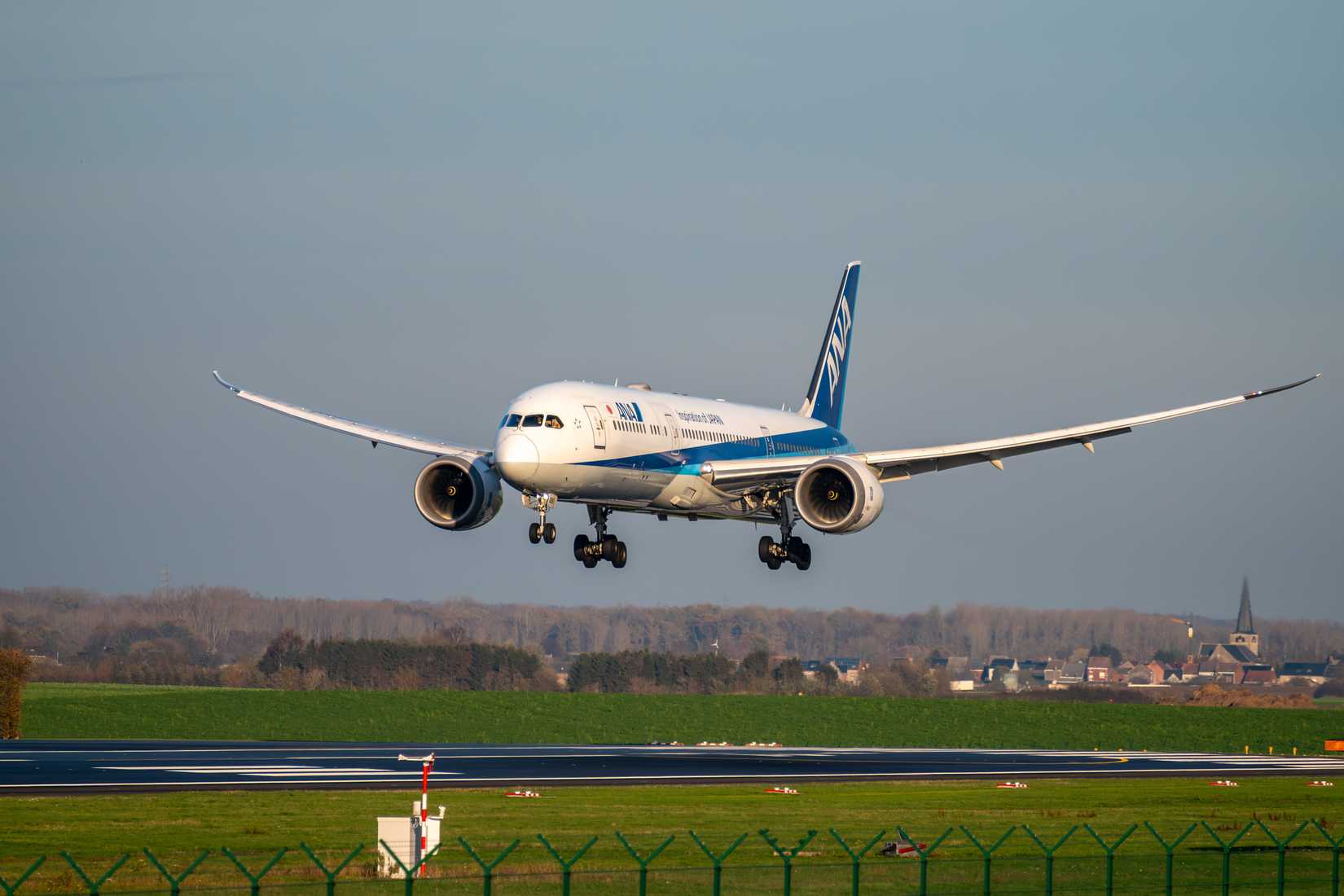
The broader trend underlying this replacement cycle is the industry's definitive rejection of the hub-concentration model the A380 was engineered to serve. When Airbus launched the program in 2000, the prevailing forecast held that mega-hub congestion would force airlines toward larger aircraft on fewer city pairs. Instead, the opposite occurred: passengers and airlines alike gravitated toward point-to-point routing enabled by long-range twins like the 787 and A350, which can profitably operate thinner routes that never could support an A380 departure. For Part 135 and business aviation operators, this shift carries indirect but real consequences — as legacy carriers decomission hubs and redistribute frequency to secondary markets, the competitive landscape for charter and private lift on those same corridors adjusts accordingly. The airports that struggled to attract widebody service under the hub model may find new relevance as scheduled operators reposition capacity.
For airline flight operations departments and contract pilots flying widebody equipment, the practical implication of this transition is a fleet environment that will see A350 and 777X type ratings become increasingly central to long-haul career progression over the next decade. Simulator availability, recurrent training pipelines, and CBA scope language tied to specific equipment will all be affected as the A380's 251-aircraft fleet continues to thin. Airlines still operating the type — Emirates foremost among them — will manage parallel operations of aging superjumbos alongside newly delivered twinjets for years, creating complex fleet management and crew qualification environments. The A380's exit from production in 2021 ensures no new examples will enter service, but given the average age of the existing fleet and the robust MRO infrastructure supporting Emirates' operation in particular, the aircraft is unlikely to disappear from trunk routes before the mid-2030s at the earliest.









 Read original article