Helios Horizon pushes the boundaries of battery tech in crewed electric flight
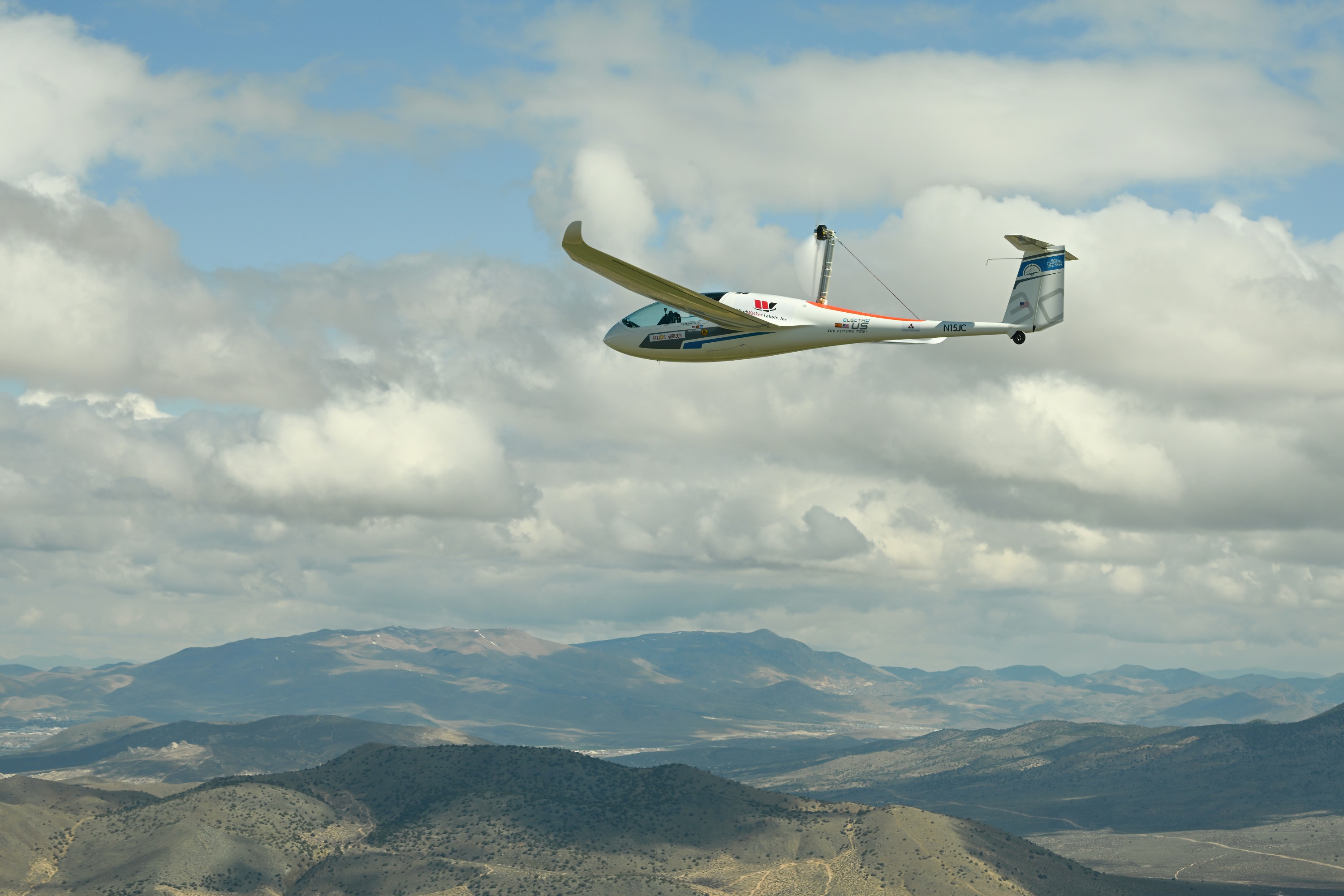
Helios Horizon conducted what it describes as the first crewed flights of a human-piloted electric aircraft powered by solid-state batteries on June 5, 2025, at Zephyrhills Municipal Airport in Florida. The nonprofit organization used a modified Pipistrel Taurus motorglider as its test platform, with battery cells achieving an energy density above 400 watt-hours per kilogram. The longer-term ambition of the project is to demonstrate powered electric flight at altitudes comparable to those flown by commercial airliners — a stratospheric goal that would require sustained performance well beyond what current electric aviation platforms have demonstrated. While the organization characterized the flights as a historic milestone, the article notes that the precise definition of "solid-state battery" remains contested within the technical community, meaning not all experts would classify the cells used as genuinely solid-state in the strictest sense.
The 400 Wh/kg energy density figure carries significant weight for aviation professionals tracking electrification. For years, the industry has cited that threshold as roughly the minimum benchmark at which electric propulsion becomes practically viable for meaningful aircraft categories beyond ultralight motorgliders and short-range air taxis. Conventional lithium-ion cells used in today's electric aircraft programs — including those powering early-stage eVTOL designs and certified aircraft like the Pipistrel Velis Electro — typically deliver between 200 and 260 Wh/kg at the cell level, with substantial additional weight penalties at the pack level. Solid-state chemistry, if it can be produced reliably and scaled, promises not only higher energy density but a fundamentally different thermal profile, reducing the risk of thermal runaway events that have complicated certification and operational acceptance of lithium-ion systems aboard aircraft.
For operators in Part 135 and business aviation, the thermal runaway issue is more than an engineering abstraction — it is a certification, insurance, and crew training concern. Existing FAA and EASA guidance on lithium battery carriage and the recurring incidents involving lithium-ion devices in cargo and cabin environments have made operators acutely aware of battery chemistry risks. A mature solid-state cell that credibly reduces those risks while improving energy density would alter the safety calculus for electric propulsion at every level of the industry, from regional air mobility startups seeking type certificates to the broader conversation about hybrid-electric propulsion in business jets. The qualification language matters here: Helios Horizon's own milestone is contested on definitional grounds, which is a reminder that the path from laboratory chemistry to airworthy, certified hardware involves multiple layers of regulatory and technical scrutiny that marketing language does not accelerate.
The Pipistrel Taurus motorglider serves as a pragmatic choice for this kind of boundary-pushing research. As a high-aspect-ratio glider with a small auxiliary powerplant, it requires relatively modest energy to sustain flight, making it well-suited to demonstrating new battery chemistries at low power levels before those cells are asked to perform in higher-demand propulsion architectures. Pipistrel aircraft have served this role before — the company's Velis Electro became the first fully electric aircraft to receive EASA type certification in 2020, also on a motorglider-class platform. That pattern underscores a broader dynamic in electric aviation development: meaningful advances in energy storage and propulsion efficiency tend to be validated first in the lightest, most aerodynamically efficient aircraft before migrating to more commercially relevant categories.
The broader significance of the Helios Horizon flights lies less in any immediate operational impact on working pilots and more in the trajectory they represent for the industry's energy storage problem. Electric and hybrid-electric propulsion has attracted serious investment from airframers, engine manufacturers, and startups, but the fundamental constraint has always been the weight-to-energy ratio of available batteries. If solid-state chemistry can be reliably manufactured, certified, and scaled — each of which remains an open and substantial question — it would remove the single largest technical barrier to practical electric flight in categories that matter to professional operators: regional turboprops, light business jets, and advanced air mobility vehicles seeking viable range. The June 5 flights at Zephyrhills do not resolve those questions, but they represent a data point that the industry will be watching closely as certification timelines and energy density claims are tested against real-world validation.