Only 5 Aircraft: British Airways Suspends Starlink Installations Until Later This Year
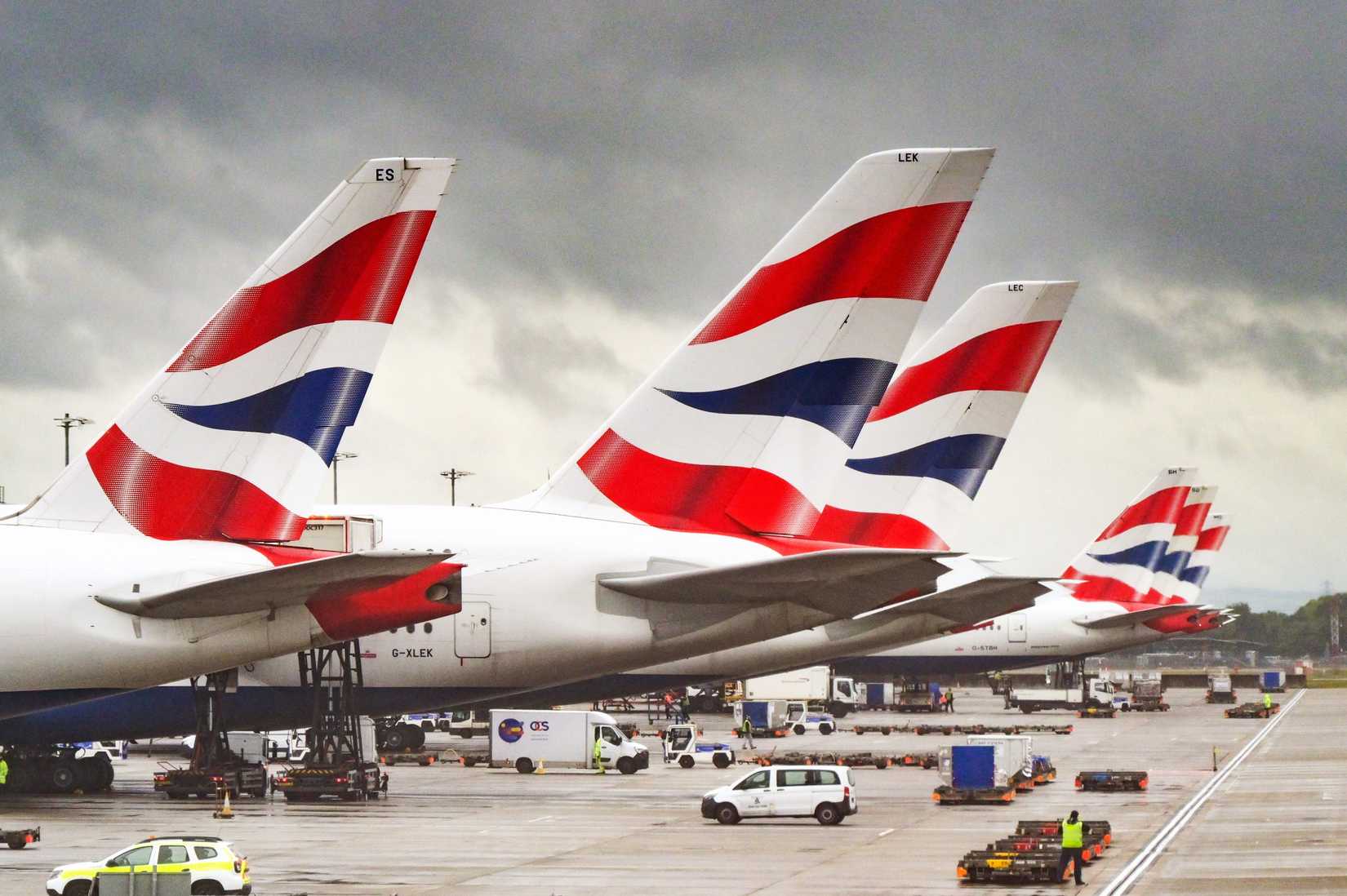
British Airways has suspended its Starlink satellite internet retrofit program after completing installations on only five Boeing 787-8 Dreamliners since the initiative launched in March 2026, with the airline confirming that further work will not resume until October at the earliest. The five aircraft bearing tail numbers G-ZBJA, G-ZBJI, G-ZBJJ, G-ZBJK, and G-ZBJM represent the entirety of the program's output during its first nine weeks of operation. The airline's stated cause centers on maintenance scheduling conflicts and limited aircraft availability during the peak summer season rather than any technical deficiency in the Starlink system itself. British Airways continues to operate the five equipped Dreamliners with the service active, offering passengers free, gate-to-gate connectivity capable of exceeding 500 Mbps under favorable conditions and supporting streaming, video calls, and concurrent multi-device use across all cabin classes.
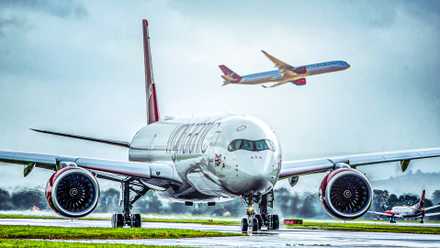
The pace of this rollout stands in notable contrast to what competing operators have achieved with the same technology. Virgin Atlantic completed Starlink installation across its entire Airbus A350 fleet within roughly one month, a benchmark that underscores how significantly aircraft availability and maintenance throughput—rather than the installation process itself—are constraining British Airways' timeline. Starlink retrofits are generally regarded as faster and less complex than legacy connectivity upgrades, particularly when the target aircraft have no pre-existing in-flight connectivity infrastructure to remove or integrate. British Airways specifically selected the 787-8 variant as its starting point for exactly this reason, as those airframes had never been equipped with onboard Wi-Fi systems. The gap between what the technology allows and what the airline's maintenance operation has delivered illustrates a broader tension facing carriers attempting to modernize at scale during high-utilization periods.
For flight operations professionals and business aviation operators tracking this space, the British Airways situation carries operational implications beyond passenger amenity. High-throughput low-earth-orbit connectivity systems like Starlink are increasingly being evaluated not only for cabin service but for cockpit data applications, including real-time weather data delivery, electronic flight bag synchronization, and supplemental datalink communications. The performance ceiling of legacy SATCOM and ACARS infrastructure has long been a friction point for operators managing data-intensive flight operations, and LEO-based systems represent a structural improvement in bandwidth economics. Airlines that successfully deploy these systems fleet-wide will also gain operational advantages in ground-to-aircraft data transfers during turnarounds, reducing pre-departure delays associated with EFB updates, charts, and performance data synchronization.
The British Airways program sits within a substantially larger commercial framework. Parent company International Airlines Group executed an agreement with SpaceX in late 2025 covering more than 500 aircraft across the group's carriers, including Iberia, Aer Lingus, and Vueling. British Airways alone operates roughly 300 aircraft, meaning the current five-aircraft footprint represents less than two percent of the group's intended Starlink-equipped fleet. The two-year timeline originally projected for full fleet coverage at British Airways now appears optimistic given current installation rates, and the October resumption date means the carrier will be working through winter 2026 and into 2027 before meaningful fleet penetration is achieved. Passengers on long-haul routes who factor connectivity into carrier selection decisions will likely continue to route toward competitors with more mature implementations until British Airways can accelerate the pace.
The episode reflects a structural challenge common to large network carriers undertaking fleet-wide technology upgrades: maintenance capacity is a finite, carefully rationed resource, and retrofit programs compete directly with airworthiness work, scheduled heavy maintenance, and unplanned line maintenance demands. Summer operational pressure further compresses available maintenance windows, as aircraft utilization rates peak and the tolerance for taking jets out of service for non-essential work narrows. For operators in the corporate and charter segments, this dynamic is equally familiar—cabin avionics and connectivity upgrades frequently slip in scheduling priority when aircraft demand is high. The British Airways experience serves as a concrete reminder that the limiting factor in aviation technology adoption is rarely the technology itself but the organizational and logistical infrastructure required to deploy it at scale.





 Read original article