Why The Nation That 1st Deployed A 5th-Gen Fighter May Fall Decades Behind
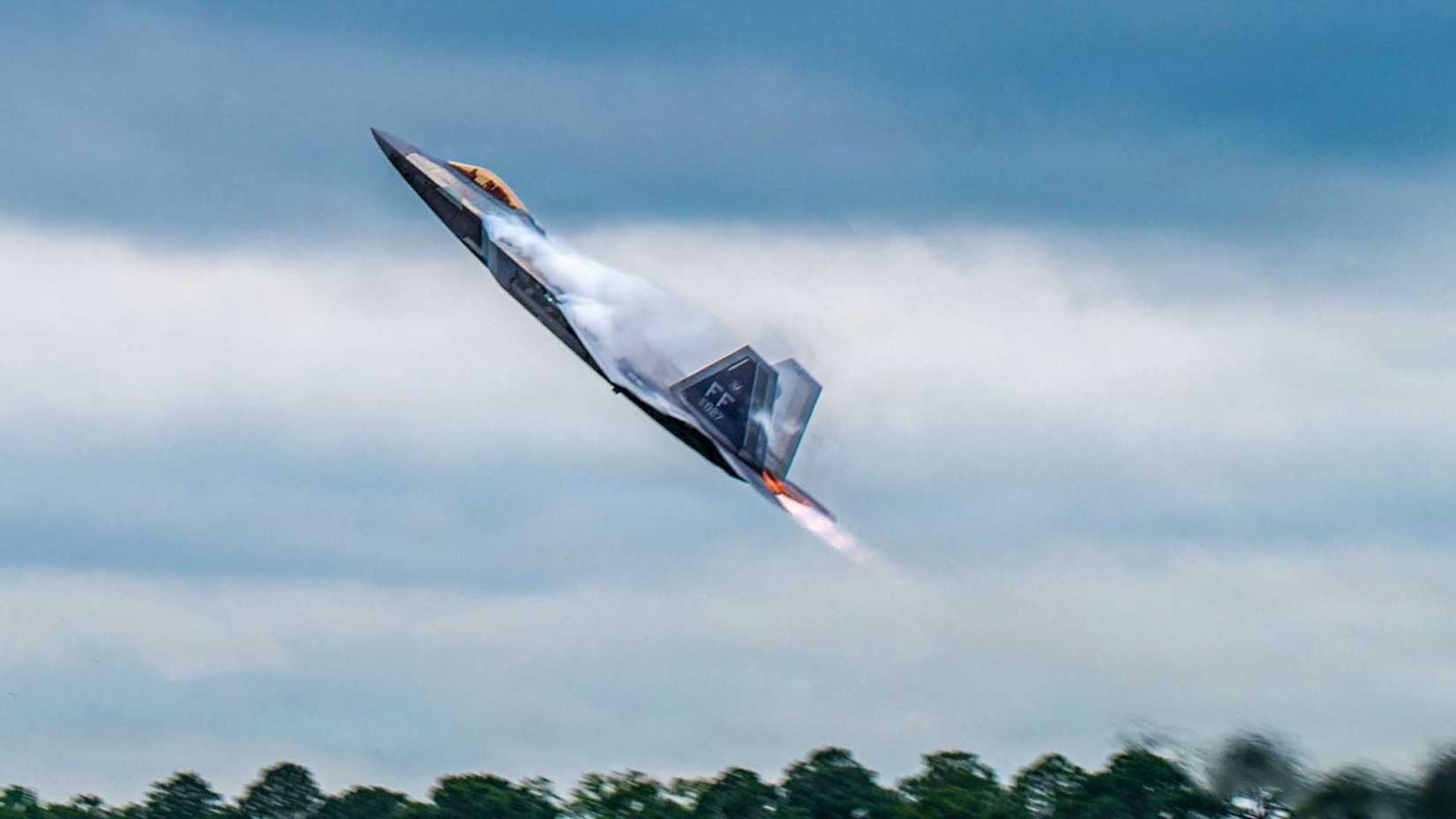
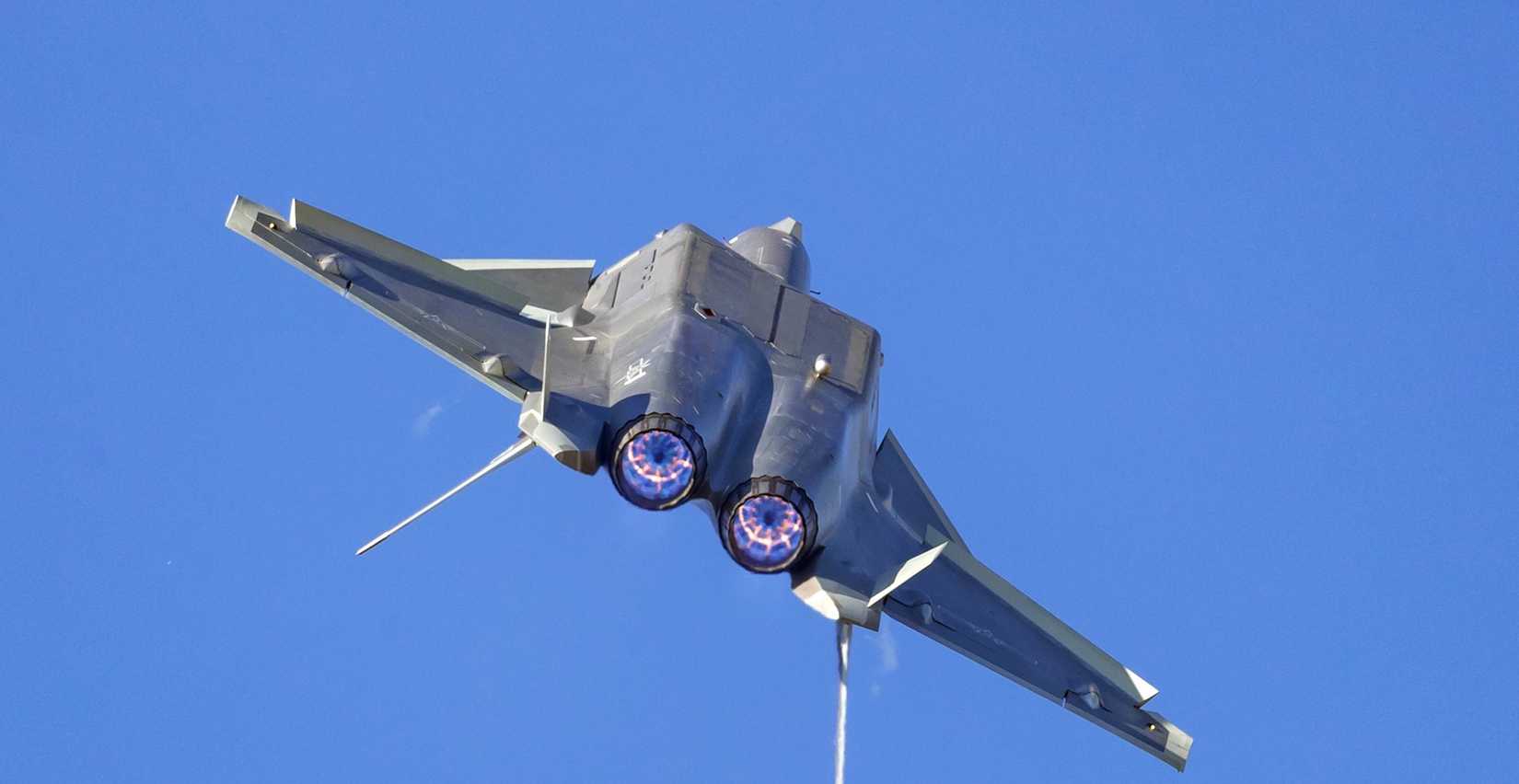
The United States deployed the world's first fifth-generation fighter, the Lockheed Martin F-22 Raptor, in 2005, establishing a benchmark that has since shaped how military aviation analysts, defense contractors, and policymakers frame aerial combat capability globally. China has made substantial progress in narrowing the gap — most notably through the J-20 program, with an estimated 320–350 airframes in service by end of 2025 — and both nations now produce comparable numbers of fighter jets annually, together accounting for roughly 85% of global output. Despite this quantitative convergence, the article's central argument is that numerical parity and generational labeling obscure more than they reveal, particularly when the more decisive variables in air combat — sensor fusion, electronic warfare, training quality, maintenance readiness, and networked system integration — remain far harder to assess and far less publicized than raw airframe counts.
The "generational" taxonomy so widely used in defense journalism and procurement debates is, as the article correctly characterizes, a politically useful but analytically imprecise tool. The framework was popularized in large part to justify the F-22's enormous per-unit cost to Congress, and it has since been adopted as export marketing language, deterrence signaling, and budget justification across multiple air forces. For operators and aviation professionals tracking aerospace capability trends, it is worth understanding that the same F-15EX — nominally a "4th-generation" aircraft — now carries avionics, radar, and electronic warfare systems that substantially exceed the fifth-generation conceptual baseline from the F-22's original design period in the early 1990s. The generation label therefore tells a prospective buyer, or adversary, relatively little about true operational effectiveness in a modern contested environment.
Perhaps the most operationally significant dimension of the article for aviation professionals is the structural information asymmetry between the two nations. The US publishes precise inventory figures, GAO readiness audits, accident reports with causal analysis, and frank assessments of procurement failures — a degree of transparency unthinkable in China or Russia, where even basic airframe counts are classified. This asymmetry creates a persistent analytical disadvantage for Western defense planners, who must work from best estimates on Chinese readiness, serviceability rates, and actual combat capability. The People's Liberation Army Air Force does not publicly acknowledge mishaps, does not disclose combat readiness percentages, and selectively controls all public messaging around its aircraft programs. For aviation safety professionals accustomed to the US and ICAO systems of mandatory accident reporting and open lessons-learned culture, this contrast is stark and consequential.
For the broader aviation community — including operators who transit Pacific and Indo-Pacific airspace, those involved in international operations near areas of potential great-power friction, or professionals following defense technology that eventually migrates into civil and business aviation — the article frames an important structural reality: the competition between US and Chinese aerospace capability is far more complex than headline comparisons of fifth-generation jet counts suggest. Technologies that originate in programs like the F-35 — advanced sensor fusion architectures, low-probability-of-intercept radar, next-generation electronic warfare — have historically diffused over decades into civil aviation through avionics development, air traffic management modernization, and satellite-based navigation. The pace at which the US maintains or loses its edge in these underlying technologies will have downstream implications well beyond military airspace, touching everything from future commercial cockpit capability to the competitive positioning of US aerospace manufacturers in the global market.












 Read original article