Why Airlines Are Quietly Adding Hidden Fees To Business Class In 2026
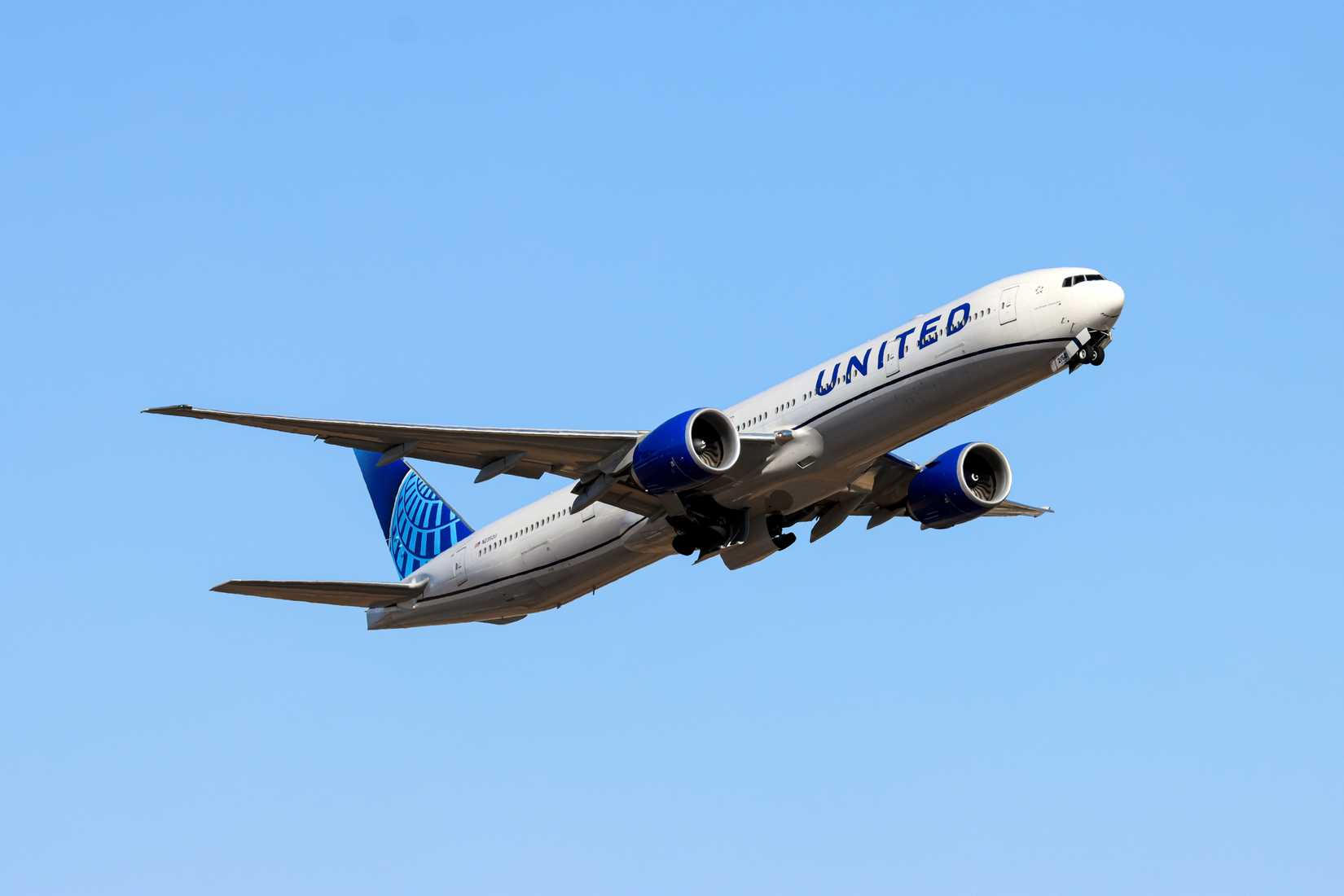
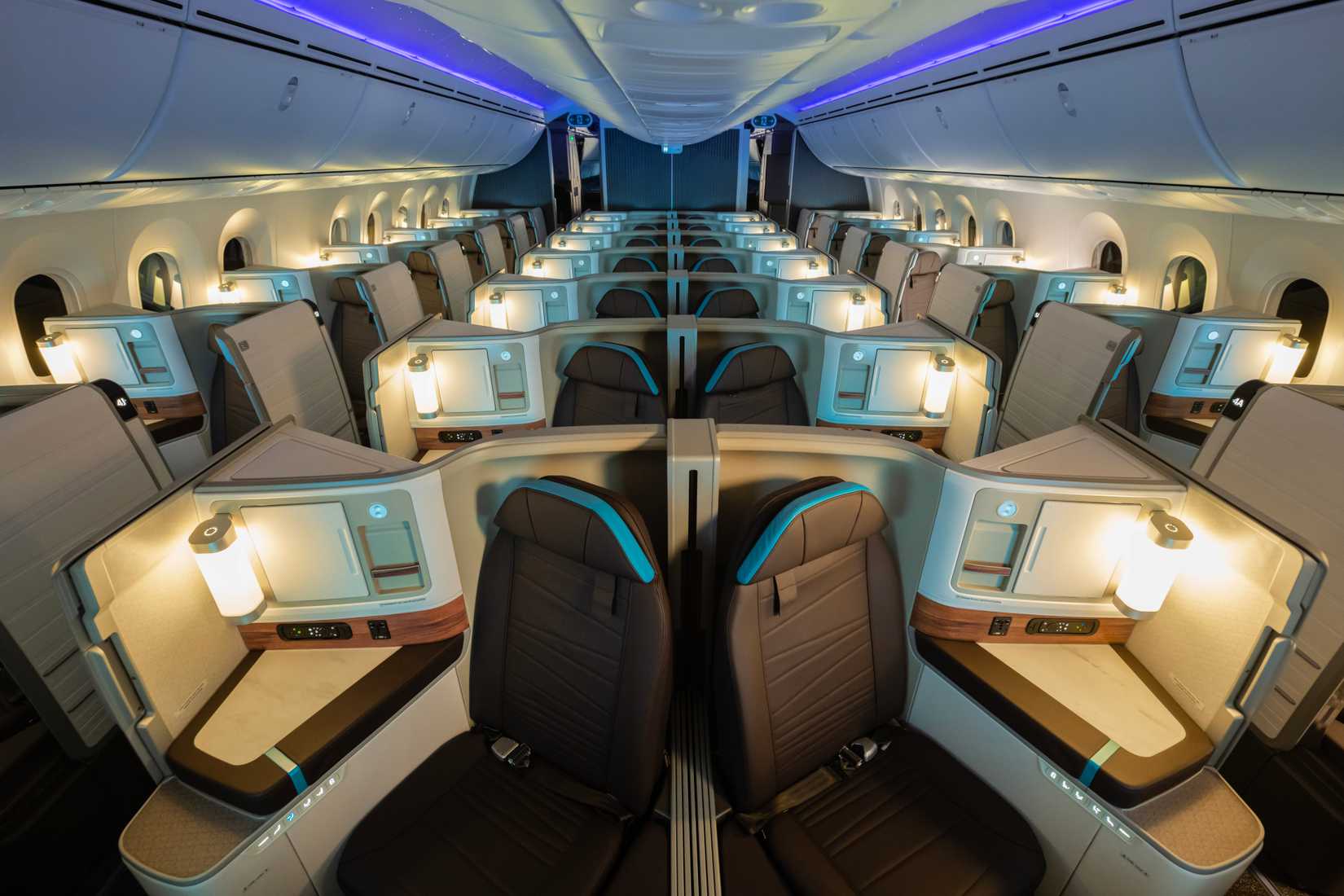
Airlines across the full-service network carrier landscape are systematically dismantling the all-inclusive premium cabin model, replacing it with tiered fare architectures that apply basic economy logic to business class. United Airlines accelerated this structural shift when it divided its Polaris business class inventory into three tiers — Base, Standard, and Flexible — preserving the flat-bed seat and onboard dining at the entry level while eliminating access to Polaris Lounges and complimentary advance seat selection. Passengers holding base fares are redirected to standard United Club facilities pre-departure and must pay separately to secure specific pod assignments or risk automated seating. Industry observers including One Mile at a Time and View from the Wing have characterized the move as a straightforward extension of the basic economy degradation model, imported directly from the back of the aircraft to the front. Emirates began unbundling business class fare buckets internationally as early as 2019, with Qatar Airways and Finnair following, meaning US legacy carriers are largely adopting a framework that international operators have already validated commercially over several years.
The financial mechanics driving this transition are considerable and will directly affect how corporate travel managers and frequent business travelers structure their bookings. A standard base ticket carries profit margins in the 5–10% range, while ancillary fees stripped from those tickets — lounge access, seat selection, flexibility — generate margins of 80–90%. Globally, airlines extracted approximately $150 billion in standalone ancillary revenue in 2024, a $32 billion year-over-year increase. United's chief commercial officer Andrew Nocella has publicly confirmed that premium cabins are the primary financial engine across the entire network, both domestically and internationally. There is also a structural tax advantage embedded in this model: the US federal 7.5% excise tax applies only to the base ticket price, not to ancillary charges. By artificially suppressing the baseline fare and converting premium perks into separate line items, carriers legally reduce their domestic tax exposure while funneling a larger share of passenger spending directly into operating revenue.
For professional pilots and aviation operators, particularly those flying corporate or Part 91/135 operations where passenger experience and trip planning are central to the value proposition, this shift has layered implications. Corporate flight departments competing against commercial premium cabins for executive travel budgets have long pointed to the seamless, all-inclusive nature of business aviation as a differentiator. As business class increasingly resembles a more comfortable version of economy — requiring passengers to navigate fare tier matrices, pay à la carte for lounge access, and manage seat assignments separately — the friction gap between commercial premium travel and private aviation narrows. Travel managers at large corporations with commercial travel policies are already adjusting per-trip cost calculations to account for ancillary fees not captured in the base fare, which complicates budget forecasting and policy compliance.
The broader trend reflects a fundamental reorientation of airline revenue strategy that is unlikely to reverse. Premium cabin yield has become the primary buffer against main cabin volatility, and the unbundling architecture institutionalizes that dependency. Airlines are effectively training even high-net-worth travelers to accept a degraded baseline experience in exchange for a lower entry-point fare, with full amenity restoration available at a premium. For operators and pilots advising on travel decisions, understanding exactly which tier a ticket belongs to — and what that tier does and does not include — has become as operationally relevant as knowing codeshare rules or baggage allowances. The practical consequence is that a business class ticket in 2026 requires the same scrutiny at checkout that a basic economy fare demanded a decade ago, regardless of the cabin.







 Read original article