Boeing 737 MAX 10 To Be 1st Jet Built On New Everett Assembly Line Opening This Summer
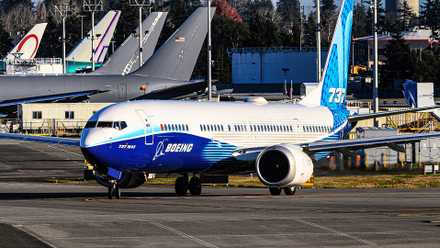
Boeing's decision to open a fourth 737 MAX assembly line at its Everett, Washington facility marks the first time in the program's six-decade history that a 737 will be built outside of Renton. The new facility, designated the North Line, occupies space previously used for 747 production, which concluded in 2023. Boeing CEO Kelly Ortberg confirmed that the first aircraft — a 737 MAX 10 — will begin assembly on July 6, 2026, with the line initially operating at low-rate production while FAA conformity requirements are satisfied and manufacturing systems are validated. Once fully integrated, the North Line is expected to contribute to a combined monthly output target of 47 aircraft, with Boeing projecting further ramp-ups to 52 per month in 2027 and potentially 63 or more per month in subsequent years. The company currently holds approximately 4,830 unfilled 737 MAX orders, underscoring the urgency and scale of its production ambitions.
The choice of the MAX 10 as the inaugural aircraft for the North Line carries strategic weight well beyond symbolism. The variant — the longest 737 ever built, capable of seating up to 230 passengers in a single-class layout — has accumulated roughly 1,400 customer commitments, representing nearly one-third of all outstanding 737 MAX orders, yet has not entered commercial service. Certification remains the critical bottleneck, with Boeing targeting FAA approval by the end of 2026. For airline fleet planners and operators who have been awaiting MAX 10 deliveries for years, that certification timeline is now directly linked to whether the Everett line can demonstrate manufacturing conformity and build momentum without triggering new quality or regulatory concerns. Major customers including United Airlines and Ryanair have large MAX 10 commitments that are reshaping long-term fleet and network planning at both carriers.
For working airline pilots, particularly those at carriers with existing MAX fleets or pending MAX 10 orders, the Everett expansion has direct operational implications. The MAX 10 shares the same type rating as other 737 MAX variants, meaning pilots current on the MAX 8 or MAX 9 can transition to the MAX 10 with differences training rather than a full type rating course. As operators begin accepting MAX 10 deliveries — assuming Boeing achieves certification on schedule — training departments will need to manage the integration of the new variant into existing 737 MAX fleets, including differences in ground handling, fuel load, and weight and balance considerations given the aircraft's stretched fuselage and higher maximum takeoff weight. Airlines operating dense domestic routes will likely deploy the MAX 10 on high-frequency city pairs where its superior seat count improves unit economics compared to smaller narrowbody options.
The broader context for this manufacturing transition is Boeing's recovery from one of the most damaging periods in its corporate history. Between 2019 and 2024, the company recorded more than $35 billion in losses driven by the MAX grounding, pandemic demand collapse, supply chain instability, and persistent quality-control failures. The Everett expansion is therefore not simply a capacity decision — it represents Boeing's attempt to demonstrate to regulators, customers, and capital markets that it can execute complex manufacturing operations with the discipline and consistency that has been absent in recent years. The FAA's ongoing scrutiny of Boeing's production systems means the North Line will face close regulatory oversight from its earliest operations, and any conformity deficiencies discovered during initial production could delay the broader ramp-up timeline and further erode customer confidence.
For business aviation and Part 91/135 operators, the MAX 10's certification and the associated production expansion signal continued tightening in the narrowbody market that will influence charter rates, aircraft availability, and fleet transition strategies across the commercial sector for the next several years. Airbus, which has maintained higher A320neo family production rates throughout Boeing's difficulties, has captured significant narrowbody market share, and Boeing's ability to close that gap depends heavily on whether the Everett line can reach its target rates without quality setbacks. The aviation industry is watching the North Line's initial performance closely, as it will serve as one of the clearest indicators of whether Boeing's manufacturing recovery is durable or whether structural challenges continue to constrain the company's ability to compete at scale in the world's most commercially important aircraft segment.








 Read original article