Uncategorized Archives - Leeham News and Analysis
Airframe structural fatigue remains one of the foundational engineering challenges in commercial aviation, and Leeham News analyst Bjorn Fehrm's ongoing series on aircraft structures situates that challenge in its proper historical context. The latest installment, published June 5, 2026, traces the modern understanding of metal fatigue directly to the catastrophic De Havilland Comet crashes of 1954, which triggered investigations that fundamentally reshaped how aerospace engineers approach cyclic stress on pressurized fuselages. Fehrm notes that the introduction of pressurized cabins after World War II created a new class of structural risk — pressurization cycles impose repeated tensile loading on the fuselage skin, and the high-strength 7000-series aluminum alloys developed to carry greater loads proved unexpectedly vulnerable to fatigue cracking under those conditions. The Comet disasters, in which explosive decompression resulted from cracks propagating from square window corners, forced the industry to confront the difference between static ultimate strength and fatigue life as distinct engineering quantities.
For working pilots, particularly those operating older turbine aircraft under Part 91, 91K, or 135 certificates, the fatigue framework Fehrm describes is directly relevant to airworthiness decisions made every day. Aircraft certified under FAR Part 25 carry a defined structural life limit — expressed in flight cycles or flight hours — that reflects the fatigue analysis conducted during original certification. Operators of high-cycle narrowbodies, regional jets, or turboprops with significant airframe time must understand that fatigue is not a sudden-onset failure mode but a progressive one: cracks initiate at stress concentrations, grow incrementally with each pressurization cycle, and can reach critical length before they are visually detectable without scheduled nondestructive inspection. Fehrm's historical grounding in the Comet investigation underscores why modern Airworthiness Directives addressing fatigue-critical structure — lap joints, window surrounds, pressure bulkheads — carry mandatory compliance timelines rather than discretionary guidance.
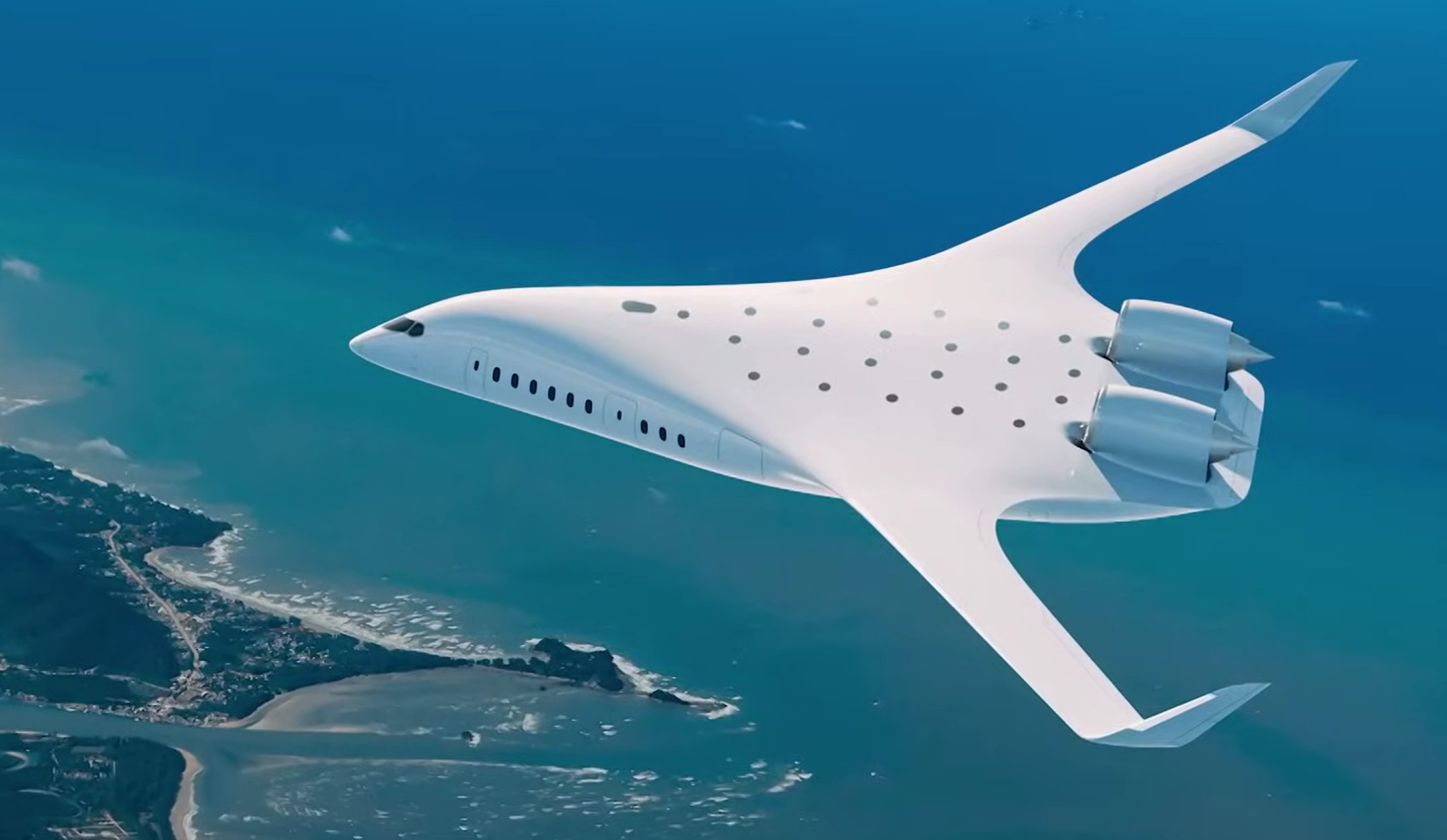
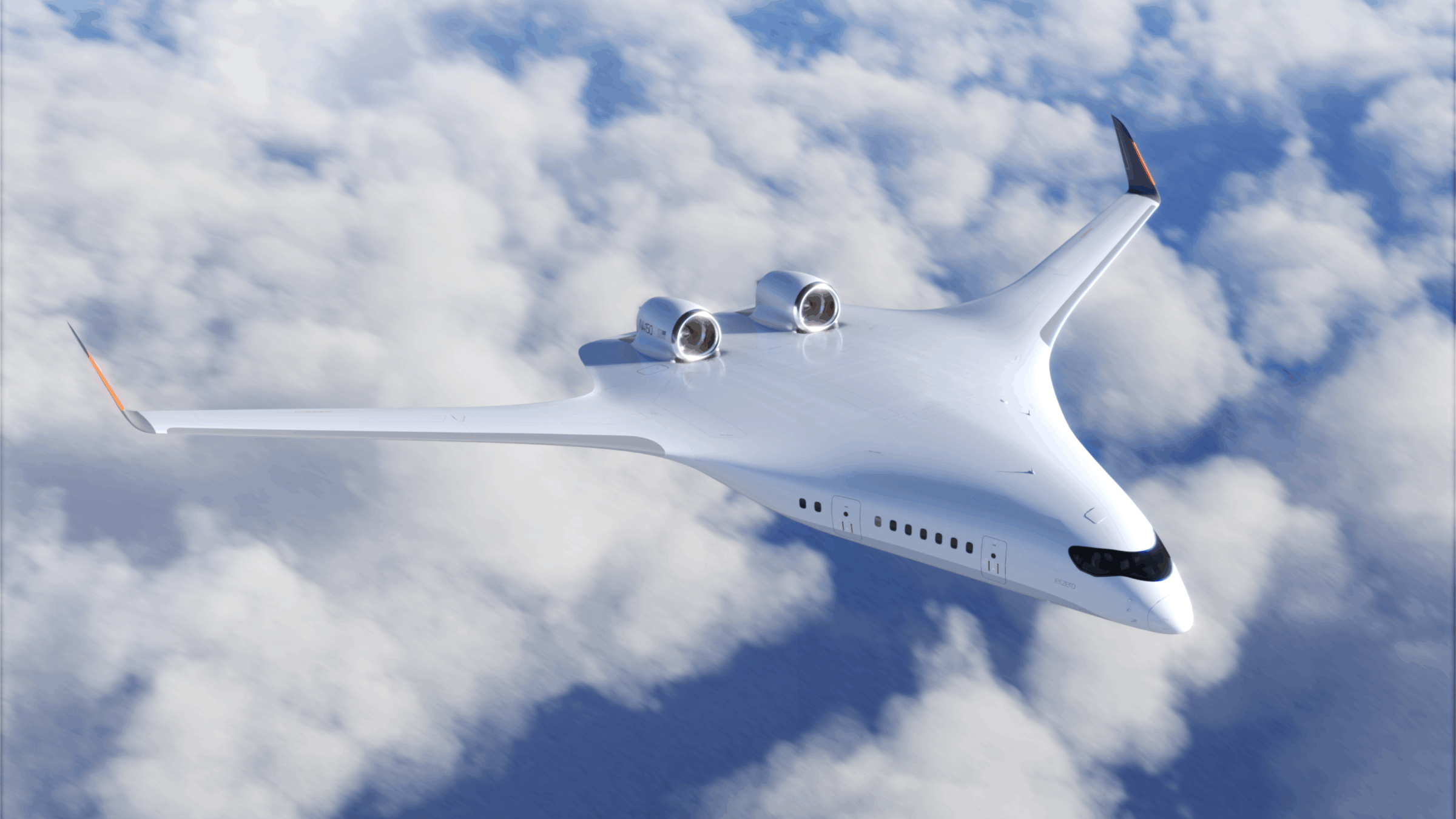
The structural fatigue series runs parallel to Fehrm's eight-part examination of Blended Wing Body (BWB) airliners, represented on the same Leeham archive page through multiple installments covering the JetZero Z4 concept. Those articles reveal that BWB designs introduce a structural problem that conventional tube-and-wing aircraft deliberately avoided: in a classic fuselage, the pressure vessel is a near-optimal closed cylinder that resists hoop stress efficiently, while the wing carries aerodynamic and inertial loads through a separate wingbox. A BWB merges both load paths into a single wide, box-like structure, creating bending moments from pressurization cycles that are geometrically inefficient and fatigue-prone. Fehrm's analysis indicates that this structural complexity — not aerodynamic performance — represents one of the most serious engineering obstacles to certifiable BWB passenger aircraft, with JetZero's Z4 serving as the primary industry test case for whether composite construction can solve what aluminum could not.
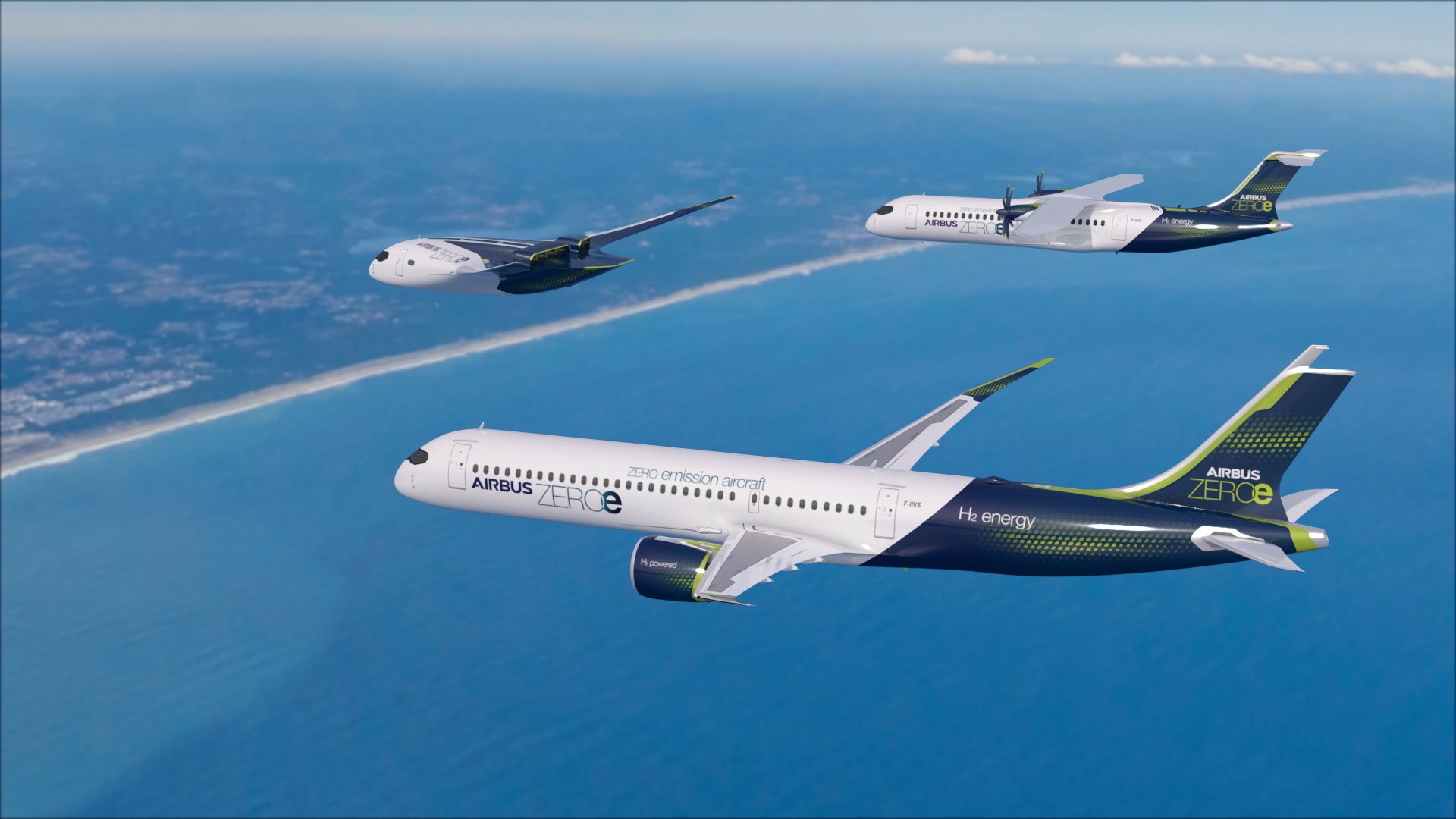
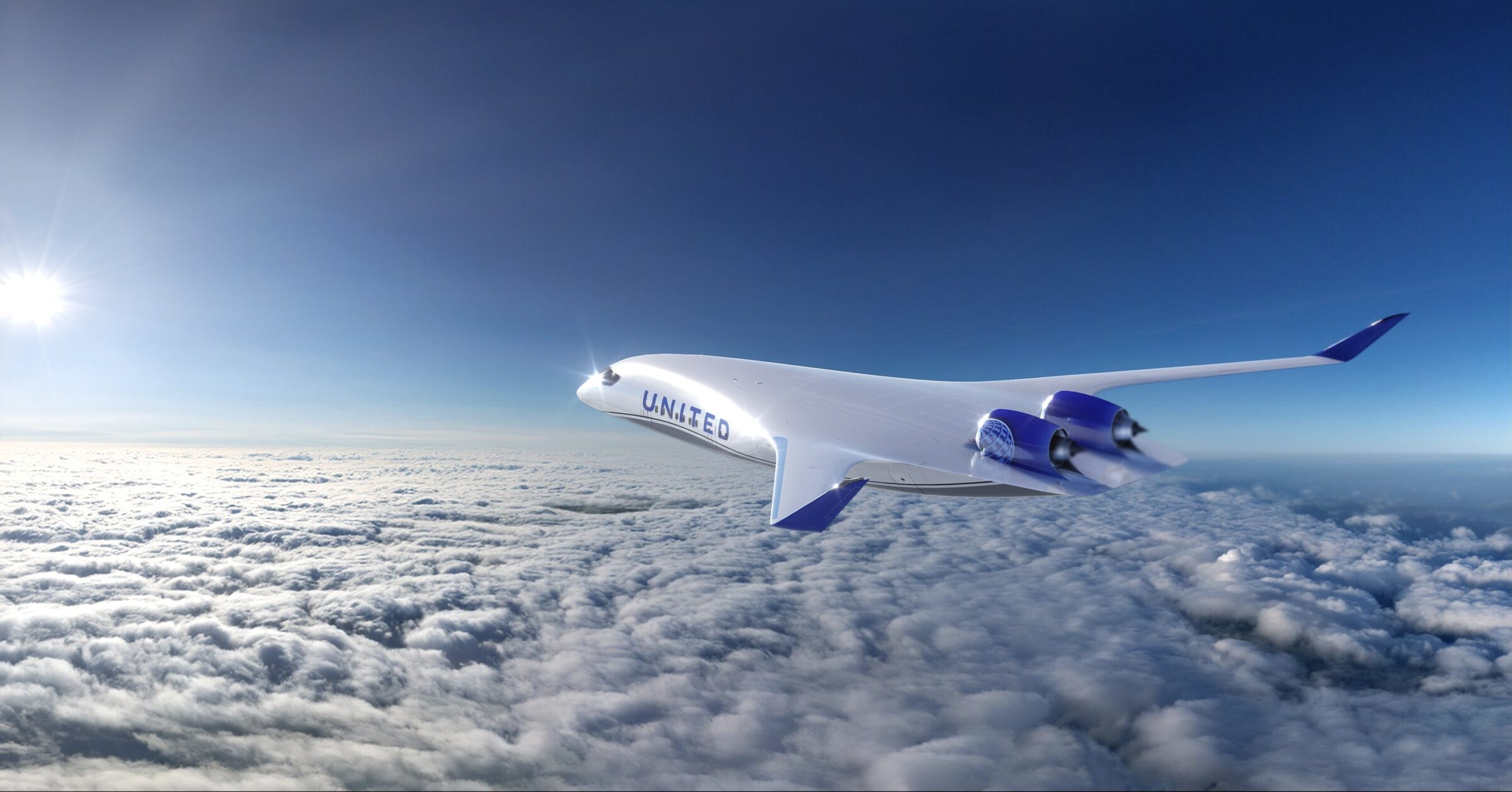
Taken together, these threads from Leeham reflect a broader tension in commercial aviation development between aerodynamic efficiency and structural durability. The 7000-series aluminum fatigue problems of the postwar era pushed manufacturers toward damage-tolerant design philosophies and eventually toward composite primary structure, which Boeing employed extensively on the 787 and Airbus on the A350. The BWB debate suggests that composites alone do not automatically resolve fatigue challenges when the fundamental geometry of the pressure vessel is suboptimal. For operators and fleet planners evaluating next-generation aircraft programs — including potential BWB derivatives that manufacturers such as Airbus and JetZero are actively developing — understanding this structural calculus matters when assessing certification timelines, maintenance cost projections, and the operational reliability assumptions embedded in aircraft purchase commitments. The lesson of the Comet, as Fehrm frames it, is that structural innovations that outpace analytical tools carry consequences that manifest years into service.







 Read original article