Jetex Unveils VIP Travel Hub At iGA Istanbul Airport | Aviation Week Network
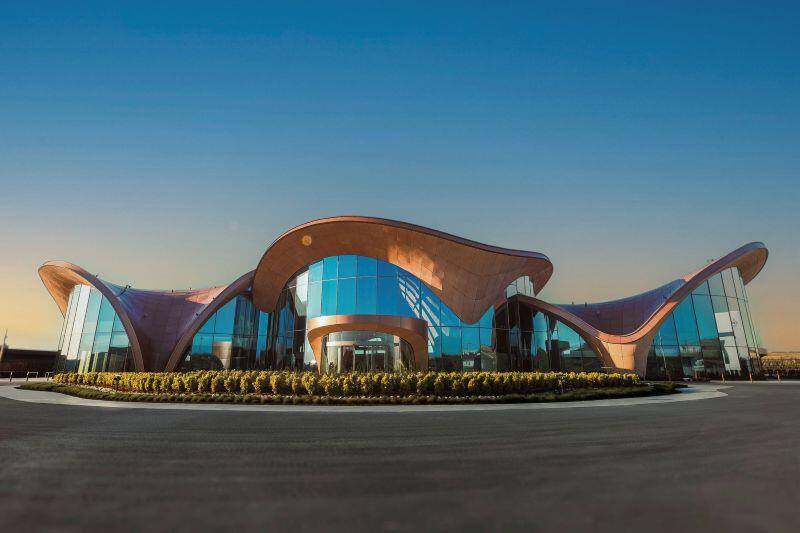
Jetex and iGA Istanbul Airport inaugurated the Jetex iGA Terminal on May 6, 2026, a 5,000-square-meter, three-floor facility that positions itself as the world's largest VIP terminal designed to serve both private jet and commercial airline passengers. Operating on a reservation-based system, the terminal consolidates premium services under one roof, including private suites with en suite bathrooms, fine dining, a cigar room, dedicated concierge staff, and — critically for time-sensitive travelers — dedicated passport control and security checkpoints. The facility's architecture draws from Istanbul's cultural heritage, incorporating natural stone, wood, and custom surfaces inspired by the nazende çiçeği motif, signaling that the terminal is intended as a destination experience, not merely a transit buffer.
For business aviation operators and Part 91/135 crews routing through Istanbul, the terminal's dedicated security and passport infrastructure carries the most practical significance. One of the persistent friction points for private aviation in major hub airports is the forced merger with commercial terminal processing flows, which erodes the time-savings advantage that justify private travel costs in the first place. The Jetex iGA Terminal's standalone processing channels address that friction directly, offering an operationally meaningful differentiation beyond lounge aesthetics. iGA Istanbul Airport's board chair noted that the airport now connects more than 140 countries and over 340 destinations, framing Istanbul not as a secondary routing option but as a genuine intercontinental hub — a status that makes dedicated VIP ground infrastructure increasingly relevant to operators planning transatlantic, Middle East, and Asia-Pacific routings.
The terminal's dual-market design — serving both private jet and commercial airline travelers — reflects a broader strategic trend among premium FBO and terminal operators to expand their addressable customer base beyond pure business aviation. Traditional FBO economics depend heavily on fuel throughput and handling fees from private aircraft, but hybrid VIP terminals that also capture high-net-worth commercial passengers create a more resilient revenue model. Jetex's 40-terminal global network, spanning Dubai, London, Paris, Singapore, and Milan, demonstrates a deliberate infrastructure buildout strategy targeting the world's highest-density luxury travel corridors. Istanbul, sitting at the geographic intersection of Europe, the Middle East, and Central Asia, is a logical anchor for that network.
iGA Istanbul's planned fourth runway, expected to open in the second half of 2026, and a capacity expansion target of 120 million annual passengers amplify the terminal's long-term strategic value. For operators and charter companies evaluating Istanbul as a tech stop, fuel stop, or destination in its own right, increased runway capacity translates to improved slot availability and reduced ground delay risk — operational factors that directly affect schedule reliability for private and commercial flights alike. The convergence of expanded airside infrastructure and premium landside facilities positions iGA Istanbul as a competitive alternative to other major European and Middle Eastern hubs that have historically captured a disproportionate share of transcontinental business aviation traffic, including Dubai International, London Heathrow, and Paris Le Bourget.
The Jetex iGA Terminal opening is consistent with a post-pandemic acceleration in premium ground experience investment across the global FBO and private terminal sector. Operators including Signature Aviation, Jet Aviation, and TAG Aviation have all expanded or renovated facilities in major markets over the past three years, responding to sustained demand growth in business aviation and the demonstrated willingness of high-net-worth travelers to pay for reduced friction at airports. For flight departments and charter operators, this competitive environment generally produces better ground service options and increases leverage in negotiating preferred vendor agreements — but it also raises passenger expectations in ways that put pressure on operators to actively manage ground experience as a component of overall trip quality, not an afterthought.








 Read original article