Electric Aircraft Archives - Leeham News and Analysis
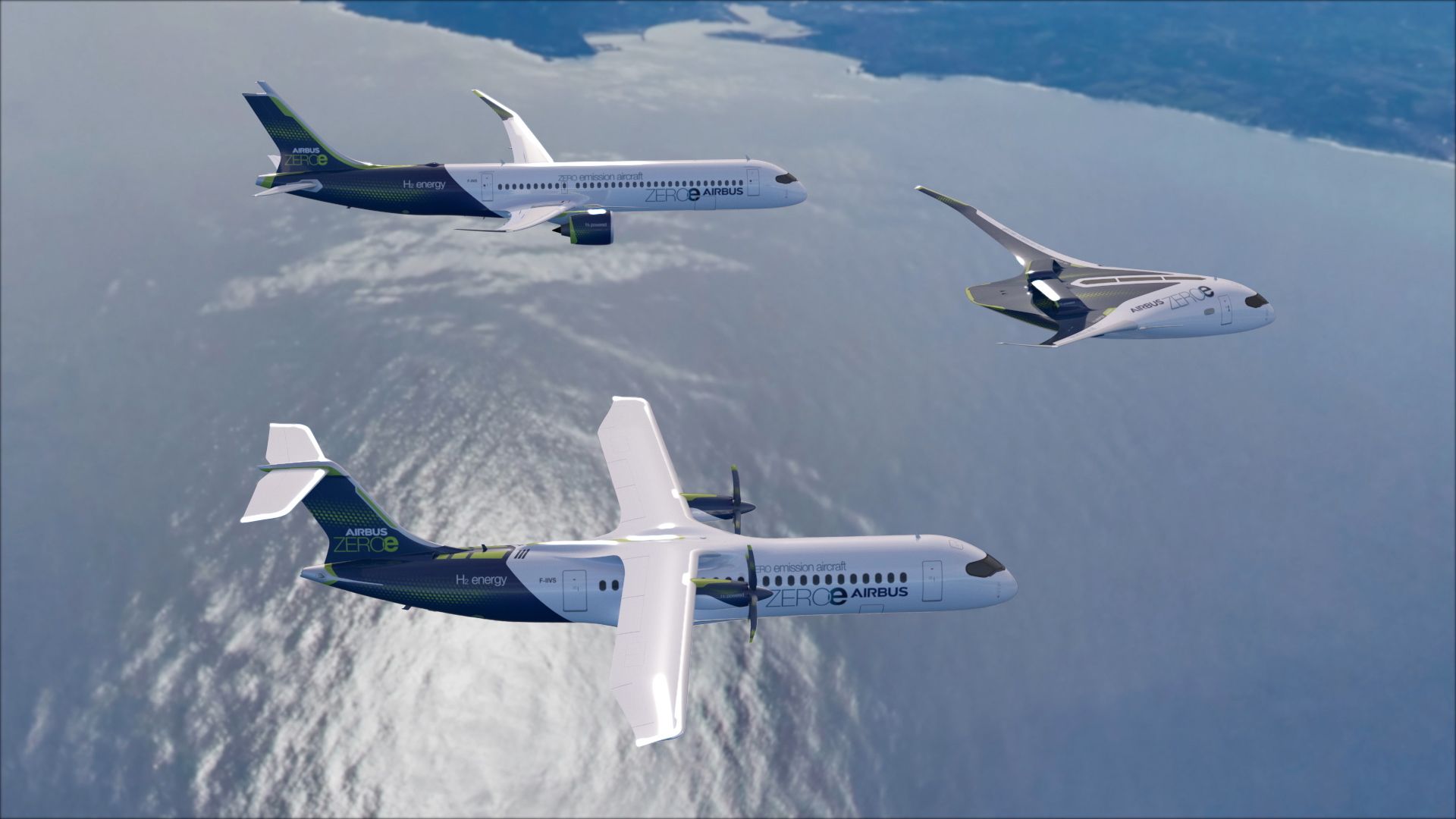
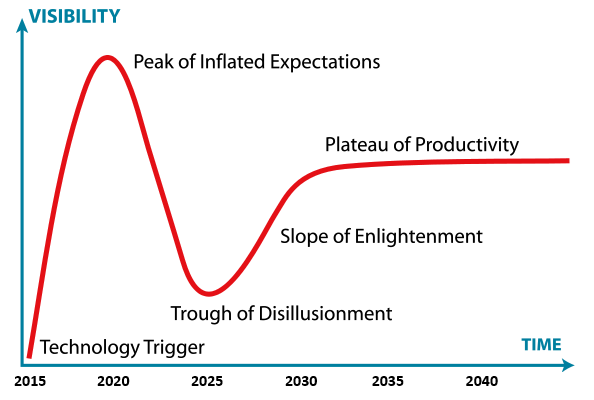
Airbus has formally stepped back from its once-prominent ZEROe hydrogen program, abandoning the 2035 target for a hydrogen-powered commercial airliner that was announced with considerable fanfare in September 2020. The program's origins were transactional: French government pandemic relief came with strings attached, requiring Airbus to commit to clean-fuel research, and the company obliged with three conceptual aircraft designs spanning turboprop, tube-and-wing, and blended wing body configurations. By 2025, however, the program had retreated from those commitments — a development Leeham News had been told to expect as early as 2024 by Airbus insiders who viewed the hydrogen timeline as politically motivated rather than technically grounded. The withdrawal underscores a recurring pattern in aviation's green technology narrative: government-subsidized ambition setting timelines that engineering realities cannot honor.
The more operationally significant near-term development sits not with Airbus directly but with ATR, the regional turboprop manufacturer in which Airbus holds a 50 percent stake. ATR committed in February 2026 to a hybrid-electric turboprop airliner by 2029, a far more credible near-term proposition than liquid hydrogen propulsion given the current state of battery energy density, hydrogen infrastructure, and certification pathways. For regional and commuter operators — particularly those running ATR-72 fleets under Part 135 certificates or international equivalents — this timeline is material. A 2029 entry into service would place hybrid-electric turboprops in active fleet planning cycles within the next aircraft procurement window, meaning operators need to begin evaluating maintenance capability, pilot type rating implications, and infrastructure requirements sooner rather than later.
The workforce shortage series published simultaneously in Leeham News provides essential context for evaluating whether the industry can actually execute on any of these alternative propulsion timelines. Industry estimates place the cost of unaddressed workforce shortages at tens of billions of dollars annually — figures from BCG, ARSA, McKinsey, and IATA collectively point to $27 billion or more in annual drag from MRO inefficiencies and supply chain failures alone. What those studies consistently fail to quantify is the compounding effect on safety as institutional knowledge erodes, flight deck and maintenance bay juniority rises, and the instructor pipeline thins. For professional pilots and operators, these workforce dynamics translate directly into longer aircraft-on-ground times, delayed part sourcing, and a maintenance workforce that is simultaneously less experienced and more expensive.
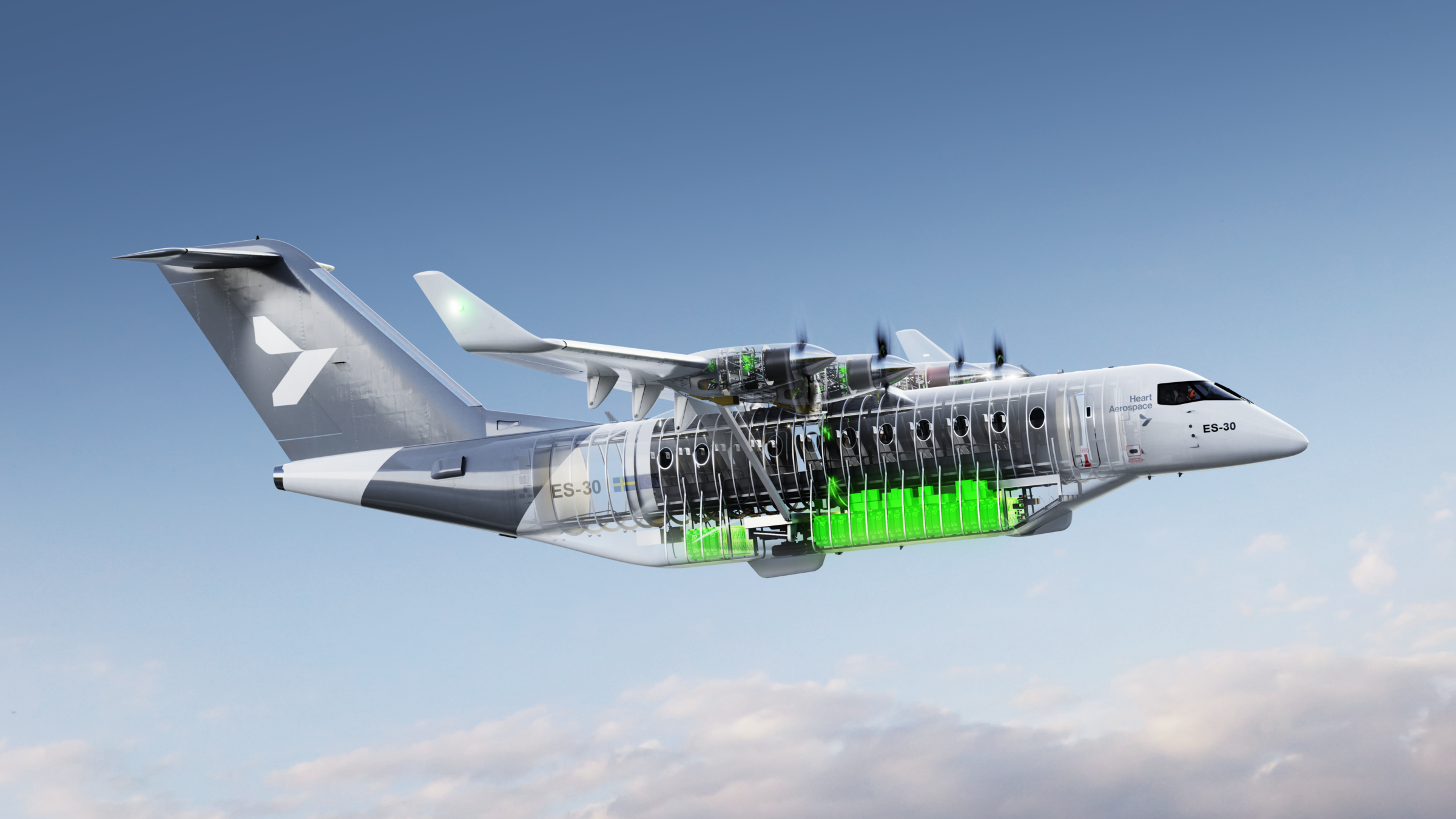
The convergence of these stories reflects a structural tension that will define the next decade of aviation: the industry is being asked to simultaneously certify and manufacture entirely new propulsion architectures, train pilots and technicians on novel systems, and absorb those transitions at a moment when it lacks sufficient experienced personnel to sustain current operations at full efficiency. Leeham's ongoing alternative propulsion series, now in its seventh installment, suggests that hybrid-electric regional aircraft represent the most tractable near-term pathway — not because the technology is mature, but because it requires less infrastructure transformation than hydrogen and can leverage existing turboprop certification and maintenance frameworks. Business aviation and regional airline operators planning fleet strategy through the early 2030s should treat the ATR hybrid-electric commitment as the most credible near-term data point, while treating hydrogen-powered commercial aviation as a post-2035 planning horizon at the earliest.





 Read original article