Boeing delivers first iMTOW 787 with handover to United Airlines
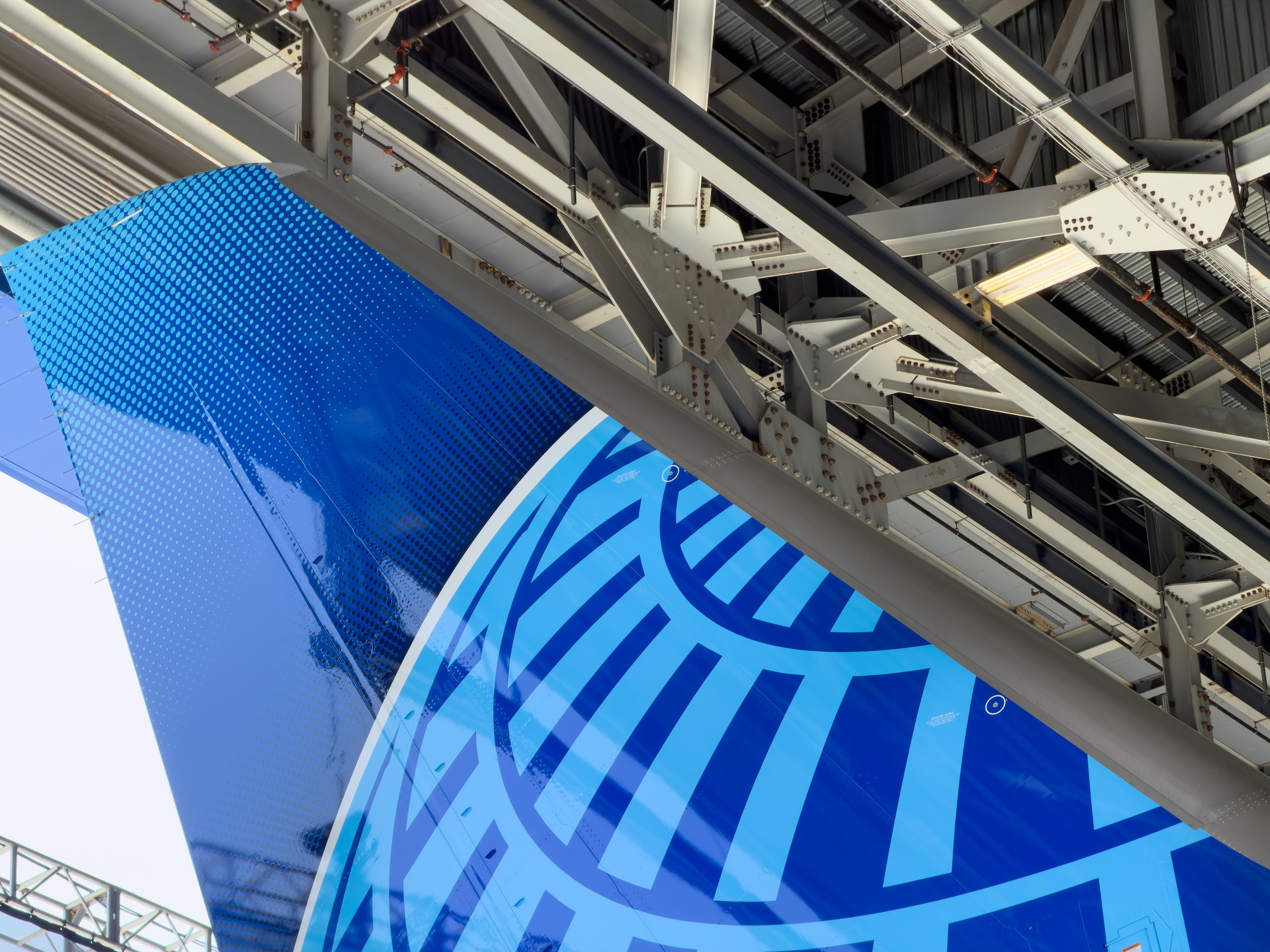
Boeing's increased Maximum Takeoff Weight (iMTOW) 787-9 has entered revenue service following United Airlines' acceptance of the first example, registered N81105, on May 12. The aircraft completed seven production test flights prior to handover and moved directly into transatlantic and transpacific operations from San Francisco International, flying to London Heathrow and Singapore Changi — two of the most commercially demanding long-haul pairings in United's international network. The iMTOW designation refers to a structural and systems upgrade that raises the aircraft's certified gross weight ceiling beyond the standard 787-9's approximately 254,000 kg limit, unlocking additional payload-range capability without requiring a clean-sheet design change.
The operational significance of the iMTOW increment lies in what it permits at the margins of the 787-9's performance envelope. The added weight allowance translates directly into greater usable fuel capacity at full payload, meaningful additional range on the order of 200 to 300 nautical miles depending on load factor and routing, or the ability to carry increased revenue payload — cargo or premium passengers — over distances the standard variant cannot cover with full commercial loads. For flight crews operating these aircraft, the iMTOW certification introduces revised performance data, updated V-speed schedules, and adjusted fuel planning parameters, all of which flow through the aircraft's onboard performance management systems but require crews to verify they are computing against the correct weight variant's performance data during preflight. United's selection of SFO-SIN, one of the world's most range-constrained commercially viable city pairs, as an early proving route underscores precisely where the iMTOW increment provides tangible operational value.
United's 222-seat "Elevated" interior configuration aboard this aircraft reflects the broader premium cabin density strategy that network carriers are pursuing on high-yield international routes. By weighting the cabin toward Polaris business class and Premium Plus economy rather than maximizing seat count, United is effectively deploying the iMTOW's additional capability as a revenue premium tool rather than a pure volume play. That strategy is well-suited to transatlantic and transpacific routes where unit revenue in forward cabins consistently outpaces economy yield, and where the iMTOW's extended range permits schedule reliability on routes that standard 787-9s must operate with tighter fuel margins or payload restrictions under adverse wind conditions.
The iMTOW 787-9's entry into service also arrives at a strategic moment for Boeing's twin-aisle business. The 787 program endured a prolonged delivery halt through most of 2021 and into late 2022 following manufacturing quality disclosures, and Boeing has been working methodically to rebuild production rates and customer confidence. Delivering a capability-enhanced variant that competes more directly with the Airbus A350-900ULR and A350-1000 on ultra-long-haul routes gives Boeing a tangible performance argument as airlines make long-range fleet decisions. For corporate flight departments and Part 91 operators considering pre-owned widebody acquisitions, the iMTOW distinction will become an increasingly relevant differentiator on the used market as these aircraft eventually cycle through fleets, carrying meaningfully different performance credentials than earlier-build 787-9s without the upgrade.