Passenger Tries To Open Door, Jump Out Of Frontier Plane At 36,000 Feet
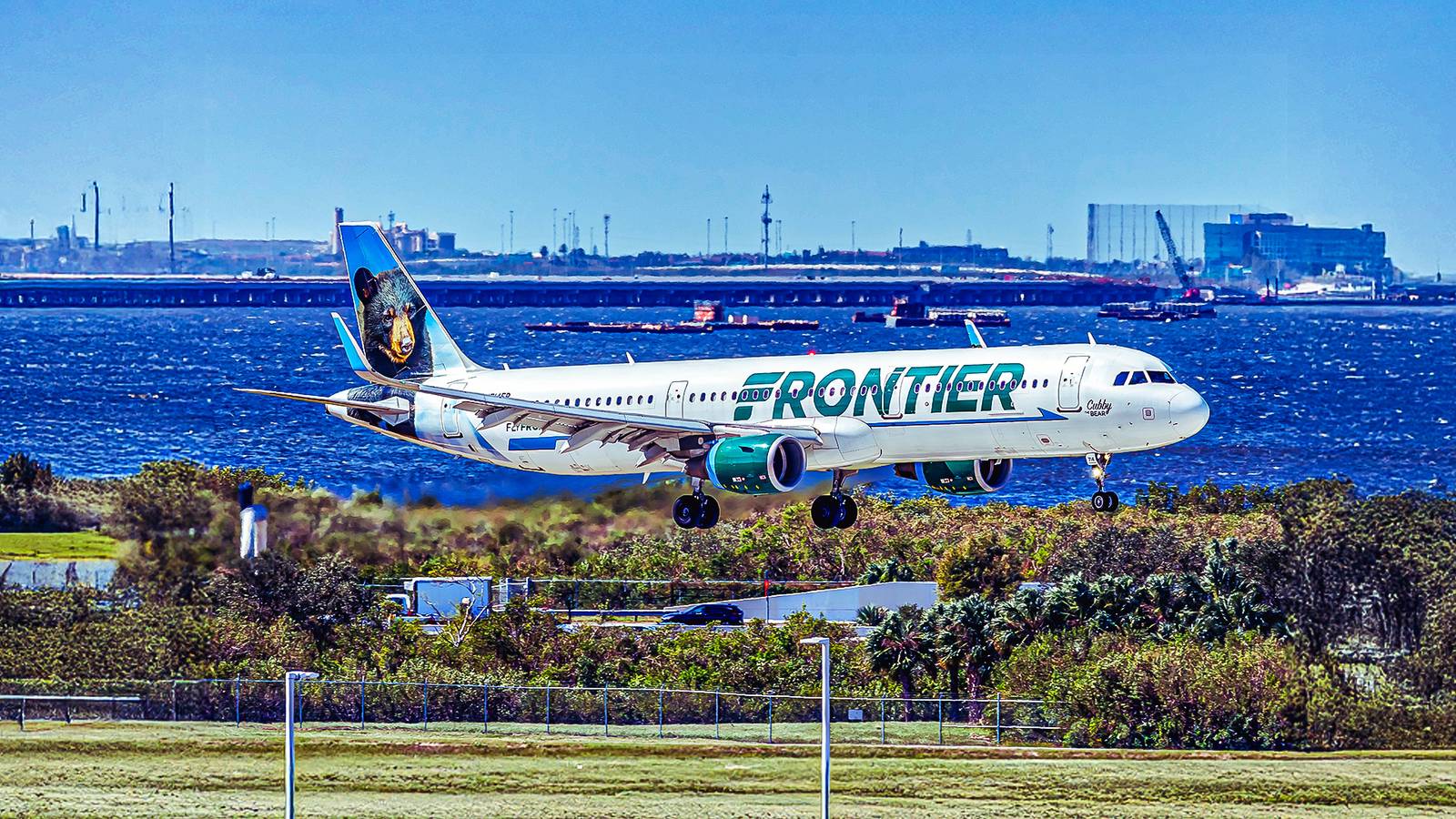
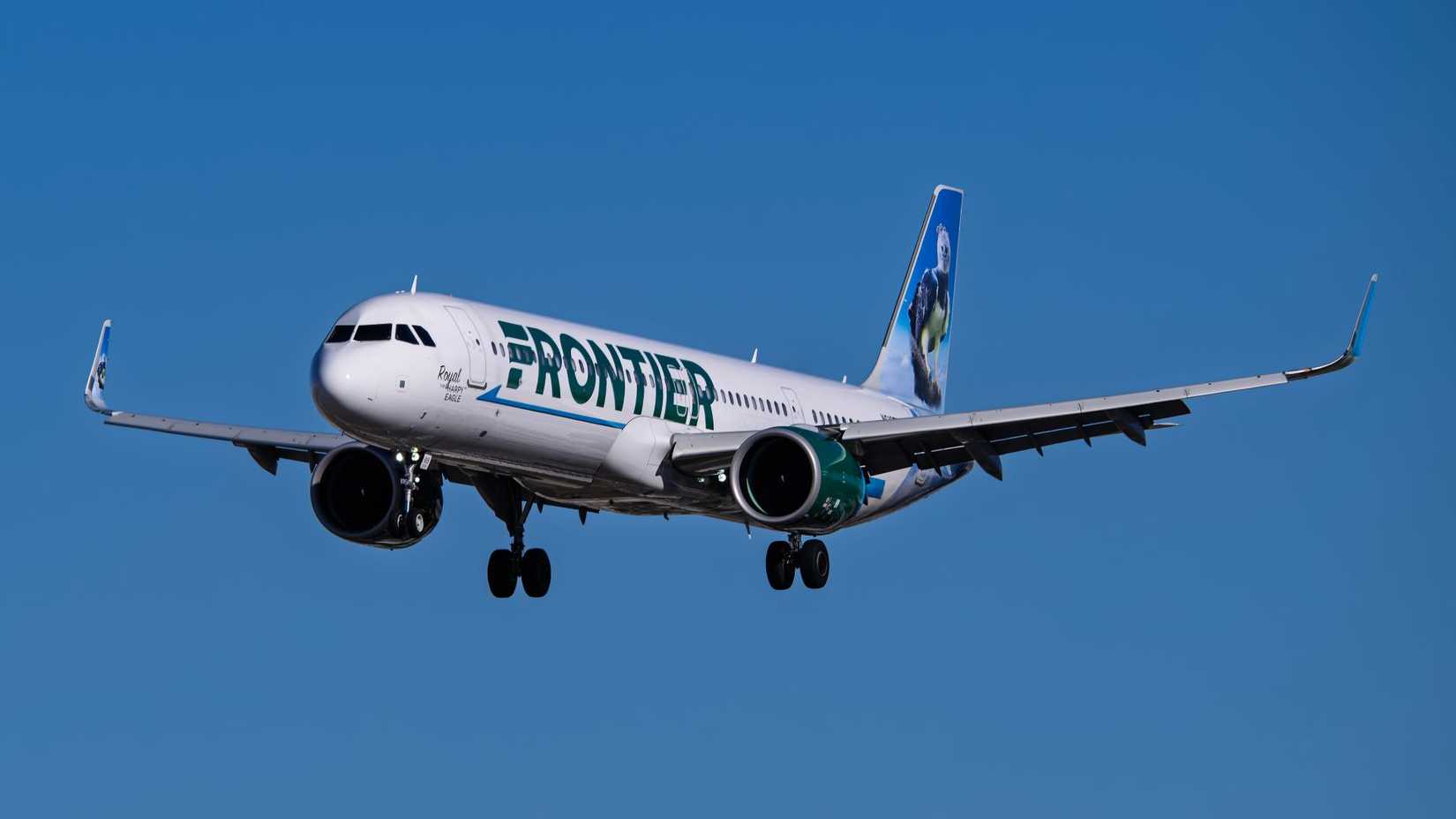
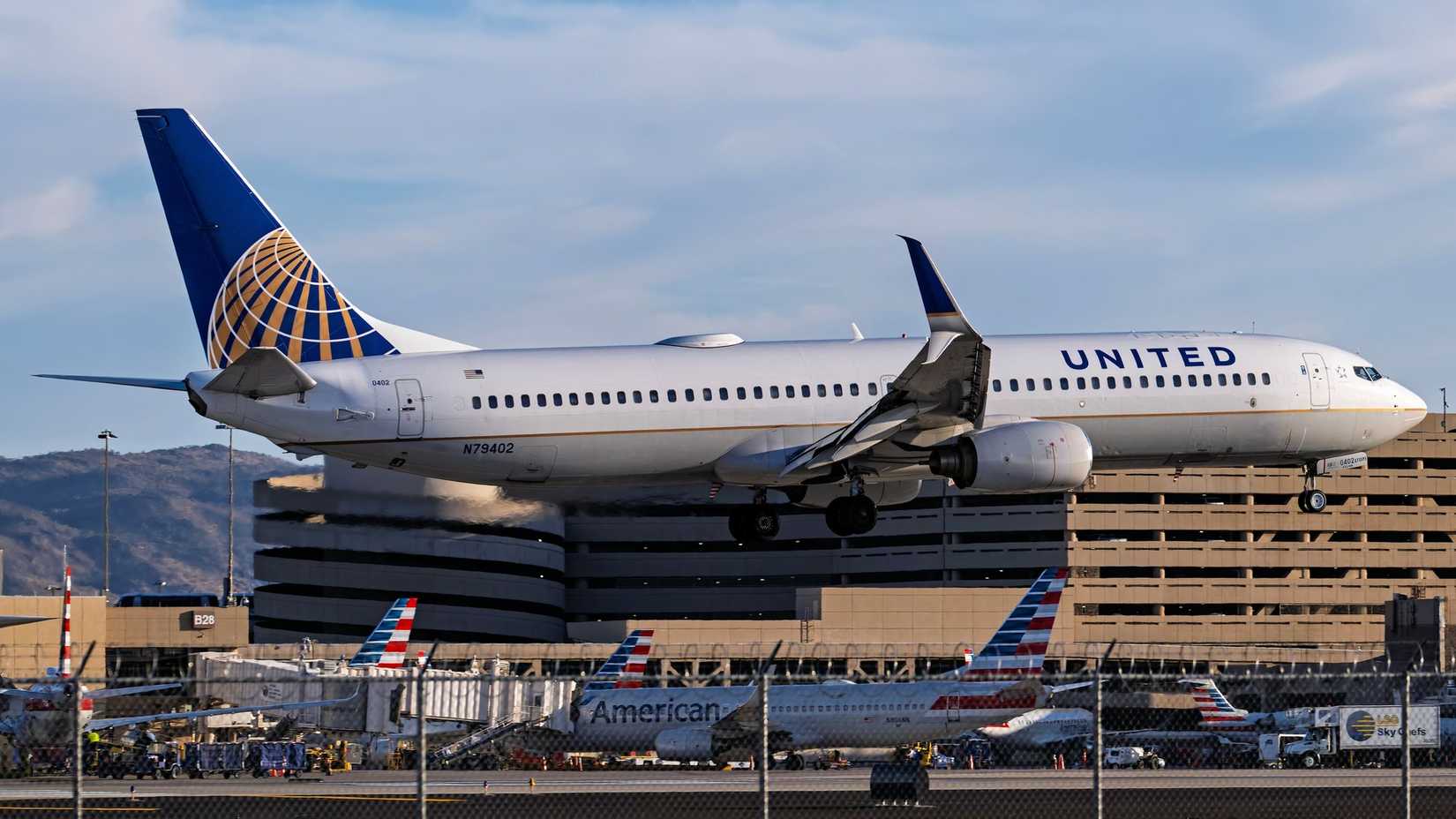
Two back-to-back passenger disturbance incidents within 48 hours in late May 2026 have drawn renewed attention to the persistent threat of unruly and mentally unstable passengers aboard US commercial flights. On May 31, Frontier Flight 3345, an Airbus A321 operating from San Juan's Luis Muñoz Marín International Airport to Chicago O'Hare, was diverted to Miami International Airport after a passenger allegedly attempted to open a cabin door at cruise altitude of approximately 36,000 feet. The crew declared a passenger disturbance, executed the diversion, and landed safely at MIA at approximately 11:55 PM with no injuries reported. Just two days earlier, on May 29, United Flight 2005 — a Boeing 737 carrying 147 passengers and six crew — diverted from its Chicago-to-Minneapolis routing to Dane County Regional Airport in Madison, Wisconsin, after a passenger made repeated attempts to breach the flight deck. ATC recordings confirmed multiple breach attempts before the individual was restrained; authorities indicated the passenger appeared to be experiencing a mental health crisis.
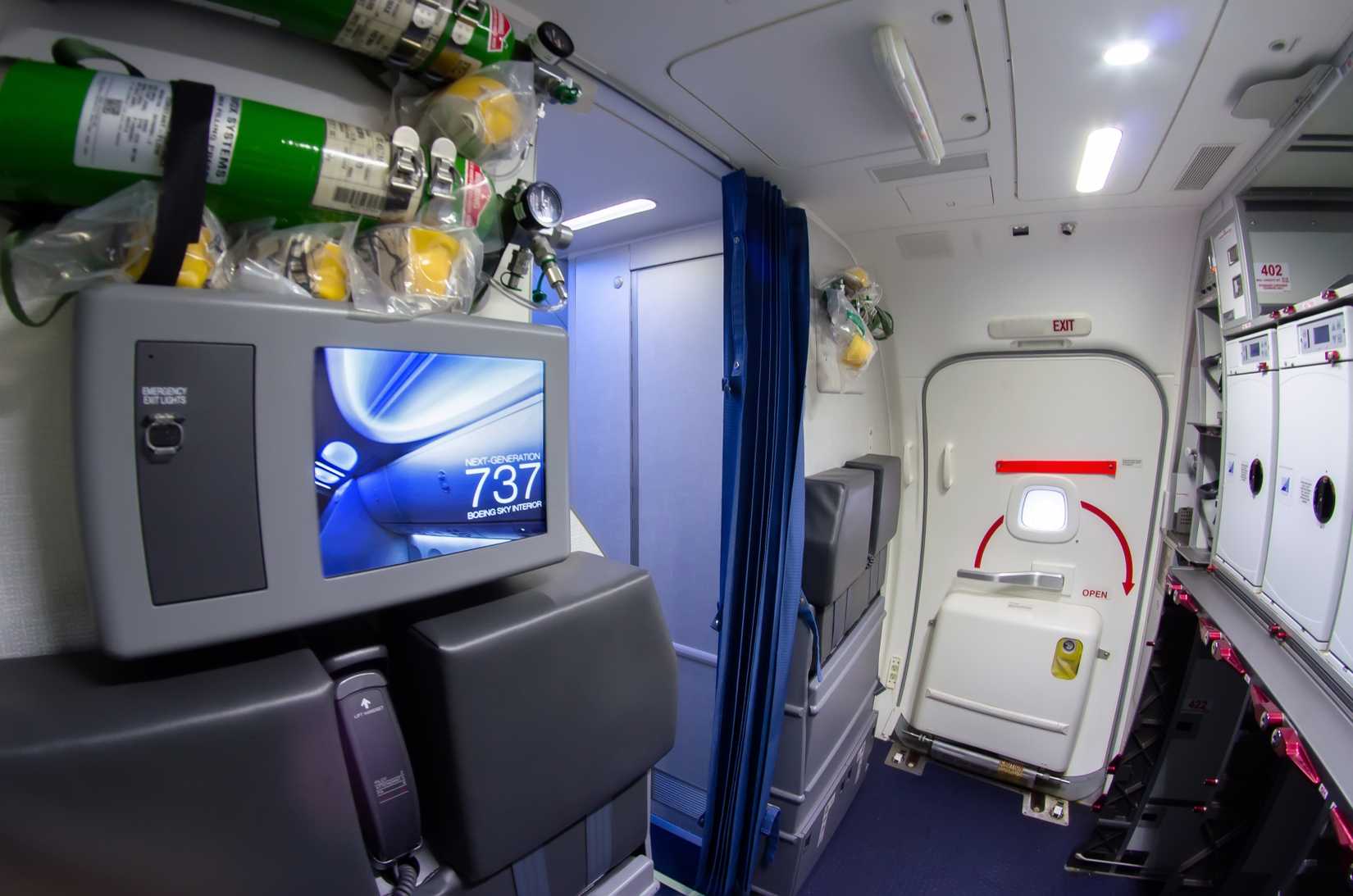
From an operational standpoint, both incidents illustrate the layered decision-making that flight crews must execute rapidly under stress. Declaring a passenger disturbance, coordinating with ATC for an expedited diversion routing, securing the cabin, and ensuring law enforcement is staged at the arrival airport all occur simultaneously and compress the crew workload significantly. While the physics of pressurized flight make successfully opening a Type A or Type III cabin door at cruise altitude virtually impossible — differential pressure alone holds the door firmly in its frame — any sustained attempt to manipulate a door handle or force entry to the flight deck demands immediate crew intervention and constitutes a federal offense under 49 U.S.C. § 46504. Cabin crews bear primary responsibility for physically managing these threats until the aircraft is on the ground, and the burden on flight deck crews to assess threat level, communicate with dispatch and ATC, and execute a potentially unplanned diversion is operationally non-trivial regardless of how the event resolves.
The FAA's tracking of more than 640 unruly passenger incidents in the US through mid-2026 signals that the elevated disturbance rate seen in the post-pandemic years has not meaningfully subsided. For Part 121 operators, recurring disturbance events carry cascading costs: unplanned fuel burns, crew duty-time implications, aircraft repositioning expenses, ground handling fees at divert airports, and significant downstream disruption to passenger loads. Airlines operating high-density leisure routes — such as the San Juan–Chicago corridor flown by Frontier — face particular exposure given the demographic and social dynamics of those markets. For corporate and charter operators under Parts 91 and 135, these incidents serve as a practical reminder to revisit passenger screening and manifest procedures, particularly on international or extended-overwater operations where divert options are more constrained and law enforcement availability at alternate airports is less certain.
The broader regulatory and security environment framing these incidents reflects the structural changes implemented after September 11, 2001 — reinforced flight deck doors, TSA screening, air marshal programs — which have effectively eliminated the catastrophic breach scenarios of earlier eras. However, those measures were designed primarily to counter deliberate, organized threats rather than the spontaneous, crisis-driven behavior increasingly observed in current incidents. Mental health crises in particular represent a category of risk that neither security screening nor onboard protocols address with full effectiveness. The FAA's zero-tolerance enforcement posture, including substantial civil penalties and criminal referrals, has demonstrated deterrent value in alcohol- and aggression-related cases, but its applicability to passengers in acute psychiatric distress is more limited. Airlines and regulators are facing growing pressure to develop more robust pre-boarding identification protocols and to ensure that crew members receive updated training for behavioral threat recognition and physical containment techniques that don't compromise their primary safety duties.










 Read original article