The Problem Boeing Ran Into After Designing Quieter Engines For The 737 MAX
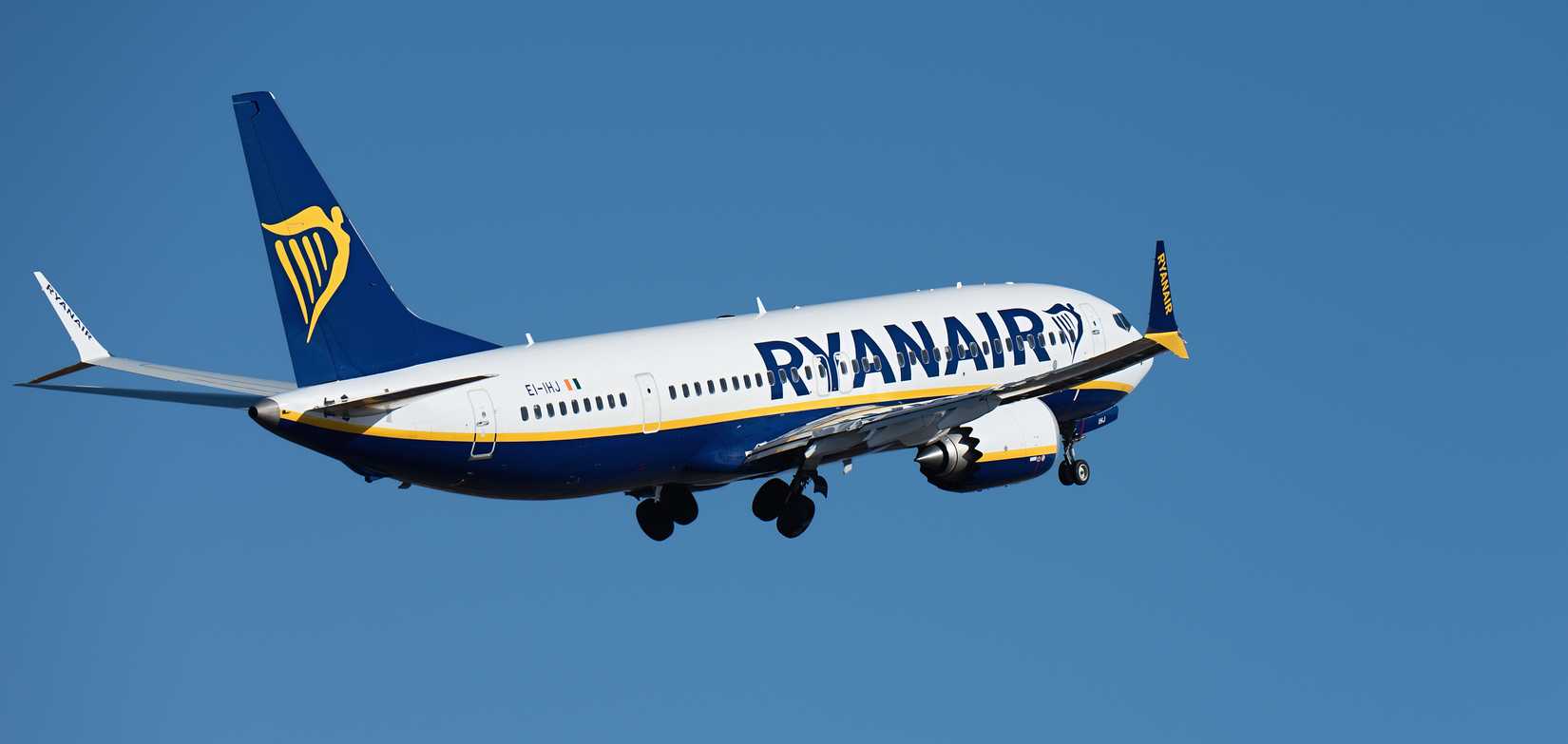
Chevron technology — the serrated, shark-tooth-shaped features visible on the trailing edges of the Boeing 737 MAX's CFM LEAP-1B engine nacelles — represents a carefully calculated aeroacoustic compromise that ultimately exposed a fundamental tension between noise reduction and operational efficiency on short-haul narrowbody aircraft. Chevrons function by generating vortices that accelerate the mixing of the hot core exhaust and the cooler bypass airflow, dampening the turbulent shear layer responsible for jet noise. Boeing has deployed the same technology on the 787 and 747-8, but the physics that make chevrons advantageous on long-range widebodies create a net-negative outcome on the 737 MAX's specific mission profile. The core tradeoff is a thrust penalty of approximately 0.5%, which on a narrowbody operating repeated daily short sectors — each requiring a full climb cycle with engines at high power settings — compounds into a measurable fuel efficiency disadvantage rather than an acceptable rounding error.
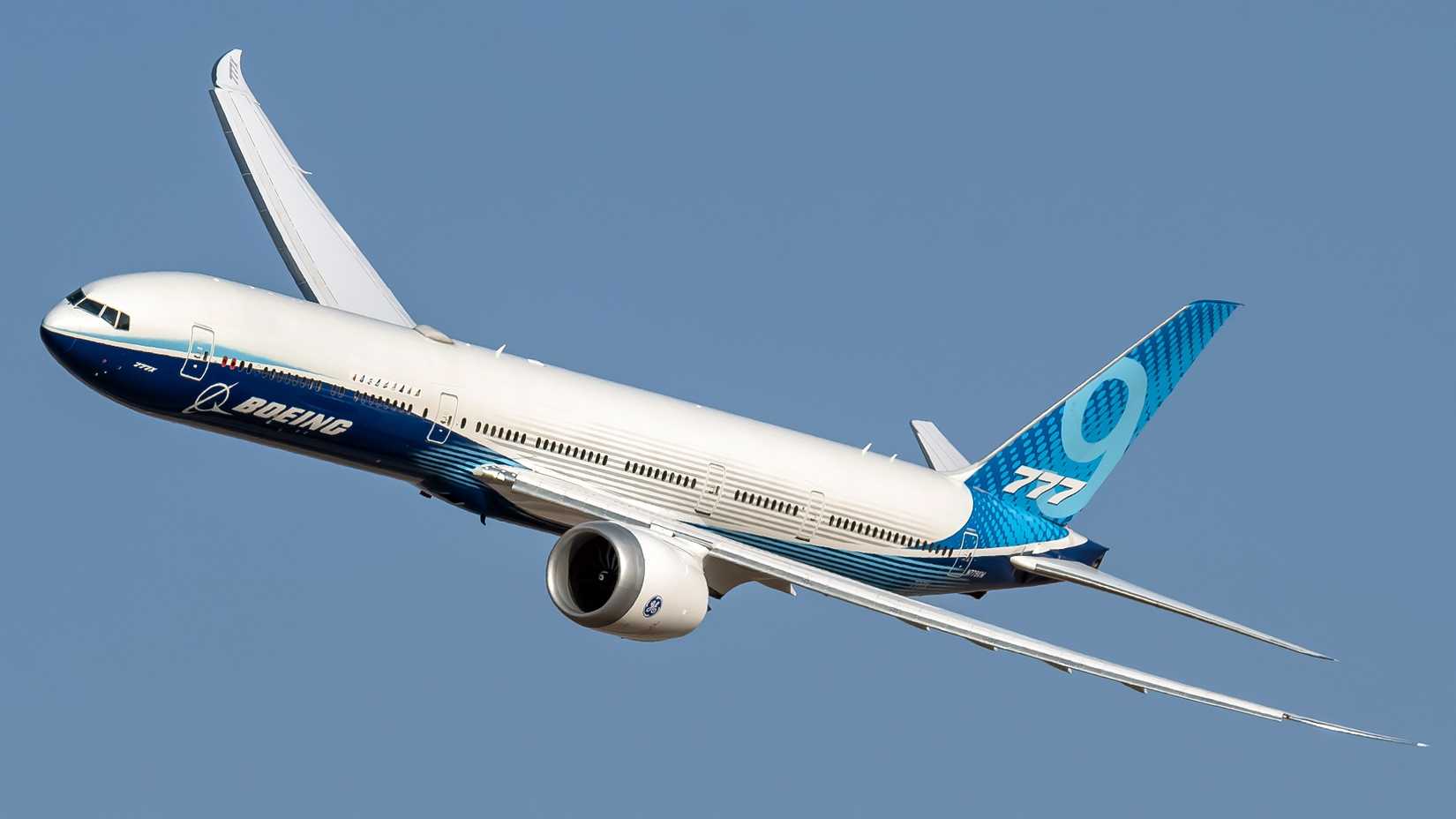
The asymmetry in how that penalty manifests across different aircraft types explains why Boeing has not carried the design forward to the 777X. On a long-range widebody like the 787, the weight savings from removing acoustic insulation panels — made possible because the quieter exhaust reduces the need for that passive soundproofing — more than offset the thrust penalty across an extended cruise segment. The 787 spends the majority of any given flight at altitude and cruise power, where the insulation reduction translates directly into improved fuel burn over many hours. The 737 MAX, by contrast, spends a disproportionate share of its operating cycle climbing, where thrust demand is highest and the 0.5% penalty is most pronounced. For operators running a MAX 8 or MAX 9 on 90-minute turns all day, that inefficiency accumulates in a way it simply does not on a Dreamliner flying transatlantic sectors.
For professional pilots operating the 737 MAX, the practical implication of this design history surfaces most directly in takeoff and climb performance calculations. The 737 MAX is already recognized within the industry for requiring longer takeoff rolls compared to some narrowbody competitors, a consequence of the LEAP-1B's unusual packaging constraints — the engine sits ahead of and above the wing rather than beneath it in the conventional pod position, due to the airframe's legacy low-ground-clearance geometry. Any reduction in available thrust from the chevron design would directly affect field length requirements, V-speeds, and obstacle clearance margins, particularly at high-altitude airports, in high ambient temperature conditions, or on shorter runways. Boeing's decision to retain chevrons despite this penalty reflects regulatory and community noise compliance requirements around Stage 4 and Stage 5 certification thresholds, meaning the performance cost was accepted as necessary to achieve airport access and operational economics that depend on noise certification status.
The CFM LEAP-1B's specific engineering — a lower bypass ratio of 9:1 compared to the 11:1 of the LEAP-1A used on the A320neo family — reflects the same short-haul optimization logic. The smaller fan diameter was driven by the 737's ground clearance constraints, but CFM engineered the core to compensate through higher operating temperatures and advanced ceramic matrix composite materials, achieving fuel burn figures competitive with the higher-bypass variant at a lighter installed weight. This design philosophy, in which a narrower but hotter core offsets the aerodynamic efficiency loss from a smaller bypass ratio, is directly analogous to the chevron problem: every engineering decision on a short-haul platform must be evaluated against the high-power, high-frequency duty cycle the aircraft will actually fly, not against the steady cruise conditions that dominate widebody economics. The 737 MAX's operational architecture — multiple segments per day, aggressive turn times, frequent exposure to performance-limiting conditions — makes it one of the most demanding environments for powertrain efficiency tradeoffs in commercial aviation.
These tradeoffs carry direct relevance for Part 135 and charter operators considering narrowbody equipment, and for airline dispatchers and chief pilots responsible for performance engineering. The interplay between noise certification requirements, thrust availability, field length penalties, and fuel burn is not merely an academic engineering discussion — it directly affects which airports a 737 MAX can serve profitably, what payload-range tradeoffs exist on shorter runways, and how climb power settings interact with engine longevity. Boeing's eventual decision to omit chevrons from the 777X signals that the industry's next design generation will pursue noise reduction through alternative means, including improved fan blade aerodynamics, adaptive nozzle geometries, and nacelle liner treatments, rather than accepting a thrust penalty that becomes increasingly difficult to justify as fuel costs and carbon accounting tighten the margin on every flight segment.










 Read original article