Draco Aircraft In Final Investor Push To Launch Development Program
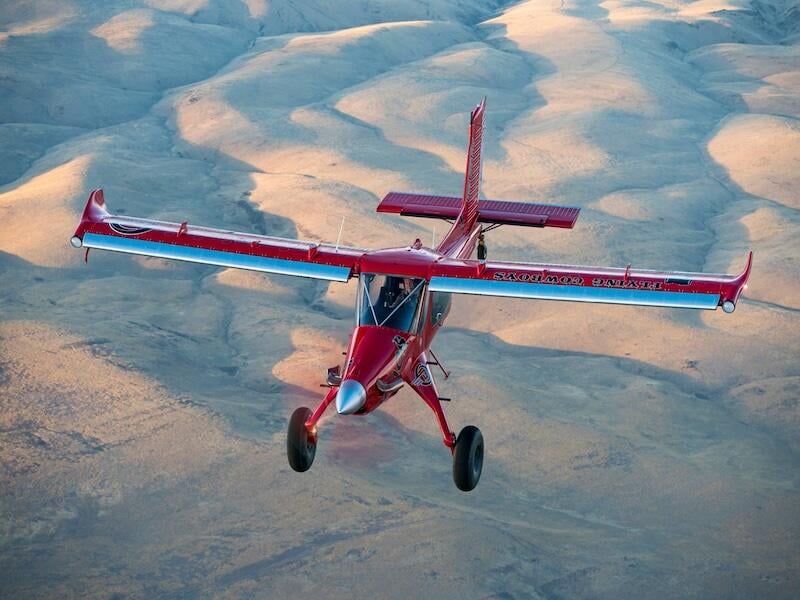
Draco Aircraft, a Polish startup led by CEO Johannes von Thadden, is in the final stages of securing a third anchor investor to formally launch a three-year development and certification program for a hyper-short-takeoff-and-landing (HyperSTOL) aircraft based on the legacy Wilga PZL-104 airframe. The company has already brought aboard U.S. venture capital fund Founder's Box and Kylla Corporate Transactions, with the third investor expected to provide sufficient capitalization to begin work in earnest. Rather than pursuing a clean-sheet type certificate, Draco will pursue a major change certification pathway through both EASA and the FAA — a strategic decision designed to reduce costs and compress timelines. Key planned modifications to the Wilga platform include installation of a Pratt & Whitney PT6A-135A turboprop and a five-bladed MT Propeller, both of which would substantially increase available power and efficiency over the original configuration. The Polish Institute of Aviation has been engaged as a technical partner to support design work while limiting internal headcount during the early development phase.
For professional pilots and aviation operators working in back-country, remote access, or special mission environments, the performance specifications Draco is targeting are operationally significant. The company claims a cruise speed of 285 mph, a 1,000 nm range, six hours of endurance, and a 2,300-lb payload — figures that, if validated, would position the aircraft competitively against established utility platforms operating in austere environments. The target civil market includes the United States, Canada, Australia, Brazil, South Africa, and India — regions where demand for rugged STOL-capable aircraft with modern avionics and powerplants is well established and underserved by current production options. A projected production rate of approximately 30 civil aircraft per year reflects a niche-market orientation rather than mass production ambitions, consistent with the specialized operational profile the aircraft is designed to fill.
The autonomous and dual-use dimensions of the Draco program carry particular relevance for operators tracking the evolving regulatory and operational landscape around flight automation and uncrewed systems. The aircraft is planned to include an incapacitated-pilot autoland safety system, placing it within a growing category of platforms pursuing contingency automation as a certification and safety selling point — an area where regulators on both sides of the Atlantic are actively developing frameworks. Draco's discussions with Skyryse and Mindset Technologies for flight automation integration indicate the company is drawing on established players in the simplified and autonomous flight control space, lending some credibility to an otherwise ambitious roadmap. The drone-carry and counter-drone military roles further reflect how dual-use utility aircraft concepts are increasingly being evaluated not just for traditional ISR or logistics functions but for direct low-cost threat interdiction, a mission set gaining traction in defense planning following combat experiences in Ukraine and other conflicts.
The broader context for the Draco program sits within a resurgent interest in utility STOL and HyperSTOL platforms driven by both civil and defense demand. On the civil side, operators in Part 135 on-demand and remote operations have limited modern turbine options in the light utility STOL category, with aircraft like the Cessna Caravan and Quest Kodiak dominating a market that has seen little new entrant competition. On the military and government side, programs such as the U.S. Army's Future Long-Range Assault Aircraft competition and NATO member interest in low-signature, forward-deployable logistics platforms have elevated the strategic value of aircraft with extreme short-field performance. Draco's decision to adapt a proven airframe rather than design from scratch reflects pragmatic thinking about certification risk and timeline compression, though the three-year target from capitalization to customer delivery will be scrutinized by experienced aerospace observers given the complexity of simultaneous EASA and FAA approval processes. Production location decisions remaining contingent on investor preferences introduces an additional variable that could affect program stability, but Poland's mature aerospace engineering base — home to facilities supporting Airbus, Leonardo, and other primes — provides a credible foundation for the work ahead.






 Read original article