The Boarding Habit That Tells Cabin Crew Exactly How Much Flying Experience You Have
Cabin crew situational awareness during boarding extends well beyond simple courtesy, functioning as an operational assessment tool that begins the moment passengers step through the aircraft door. Flight attendants are trained to identify passengers who may require additional assistance, who appear anxious or overwhelmed, and who are likely to disrupt boarding flow — all within seconds of a first glance. The behaviors most reliably associated with inexperienced travelers center on overhead bin handling: bags placed sideways rather than wheels-first, prolonged aisle stops to reorganize belongings, and repeated boarding pass checks while moving through the cabin. These delays compound quickly on full aircraft, and cabin crew treat overhead bin management as one of the primary friction points in achieving an on-time push.
For airline and Part 135 operators, boarding efficiency is directly tied to schedule performance and turnaround metrics. Every minute of excess boarding time erodes block time buffers, increases crew duty exposure on tight pairings, and creates cascading delays in hub operations. The behaviors described in this article — inexperienced passengers blocking the aisle, misusing bin space, or requiring repeated guidance — are not trivial inconveniences but measurable contributors to departure delay. Airlines have invested significantly in cabin crew training to address exactly these dynamics, with some carriers incorporating proactive bin management protocols and gate agent intervention to pre-position bags before passengers even reach their rows. For flight crew, understanding that boarding delays frequently originate from passenger-handling challenges rather than mechanical or ATC causes is relevant context when evaluating pre-departure sequencing and coordination with cabin crews.
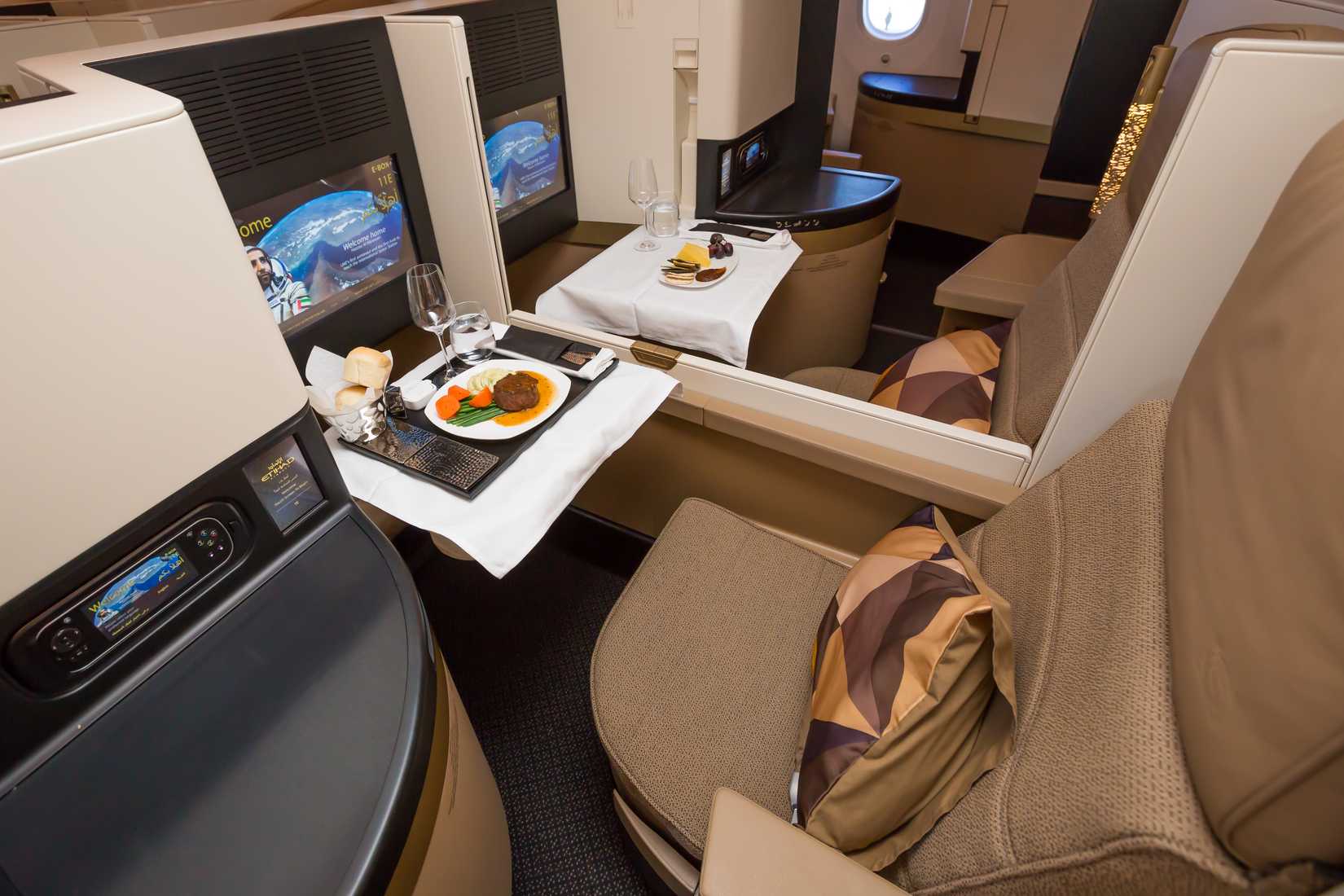
The article's discussion of premium cabin growth carries particular relevance for business aviation operators and corporate flight departments tracking market trends. IATA data cited in the piece shows international premium-class traffic increased approximately 12% in 2024 to around 116 million travelers, reflecting a substantial expansion of the premium passenger base beyond traditional corporate and frequent-flyer demographics. This influx of first-time premium travelers changes the service calculus for cabin crews on commercial aircraft, requiring more time spent on seat familiarization, menu explanation, and general orientation — tasks experienced premium passengers never require. For Part 91K and charter operators competing with commercial premium products, this trend represents both a challenge and an opportunity: the baseline expectations of premium travelers are shifting as more passengers experience lie-flat seats and full-service cabins for the first time, raising the profile of the product while also creating a broader population of passengers who require onboarding guidance regardless of the cabin class.
The broader operational takeaway for professional pilots involves the underappreciated role cabin crew play in threat and error management during the boarding phase. Situational awareness does not begin at pushback — it begins at the gate, and cabin crew are actively building a passenger profile throughout boarding that informs their service strategy and emergency preparedness for the duration of the flight. Identifying passengers with mobility limitations, anxiety indicators, or unfamiliarity with safety equipment early allows crews to position resources and brief individuals proactively rather than reactively. Flight crew who maintain open communication loops with lead flight attendants during boarding — particularly on full flights or those with a high proportion of infrequent travelers — are better positioned to make informed decisions about boarding completion, door closure timing, and any passenger management issues that could affect safety of flight.







 Read original article