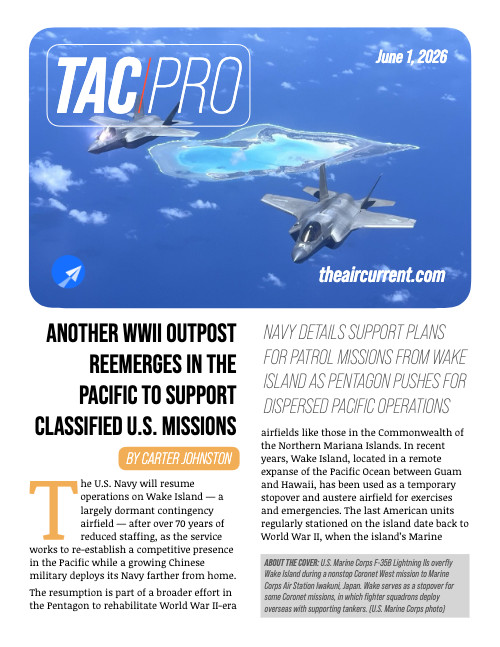
Another WWII outpost reemerges in the Pacific to support classified U.S. missions
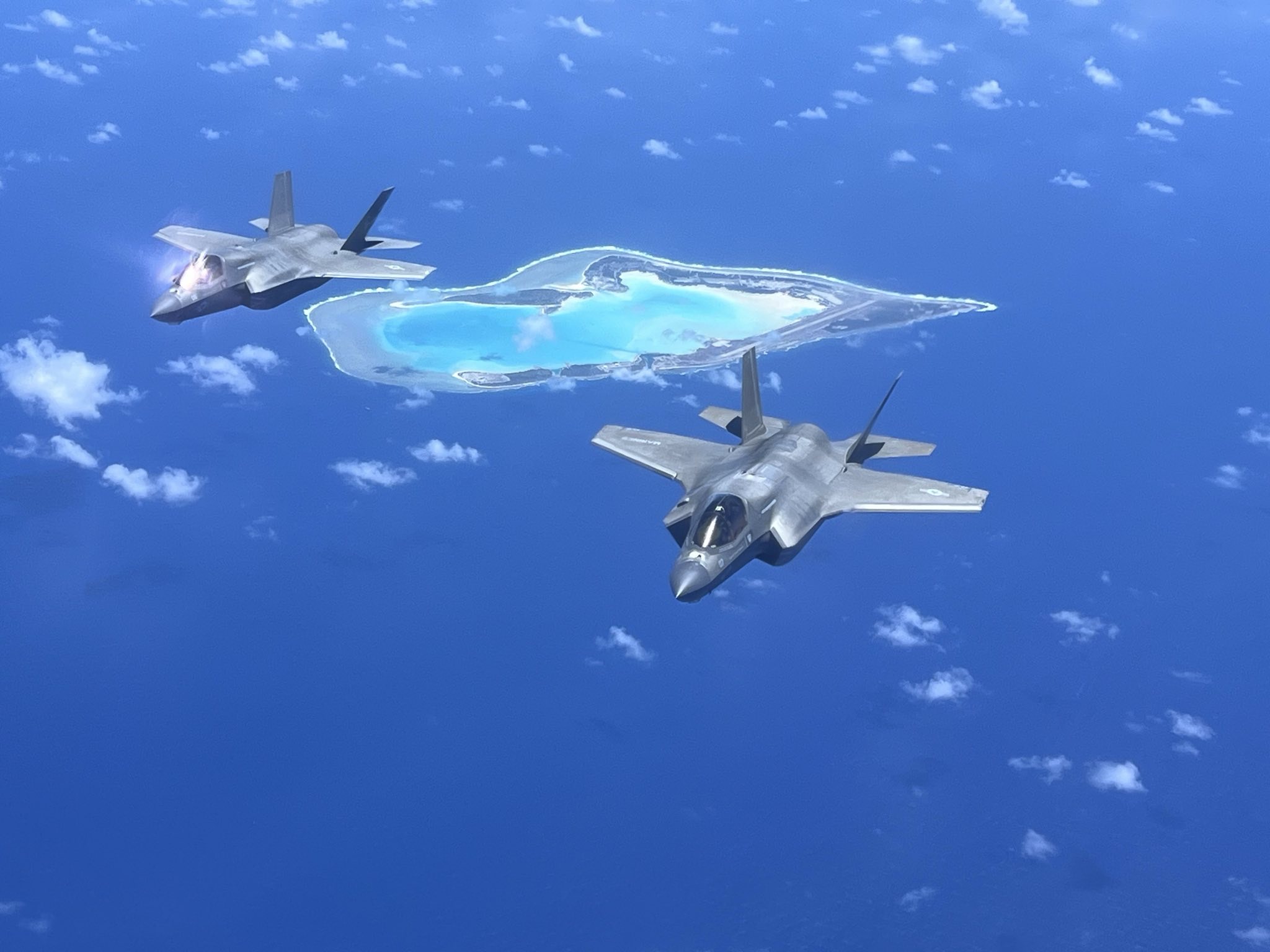
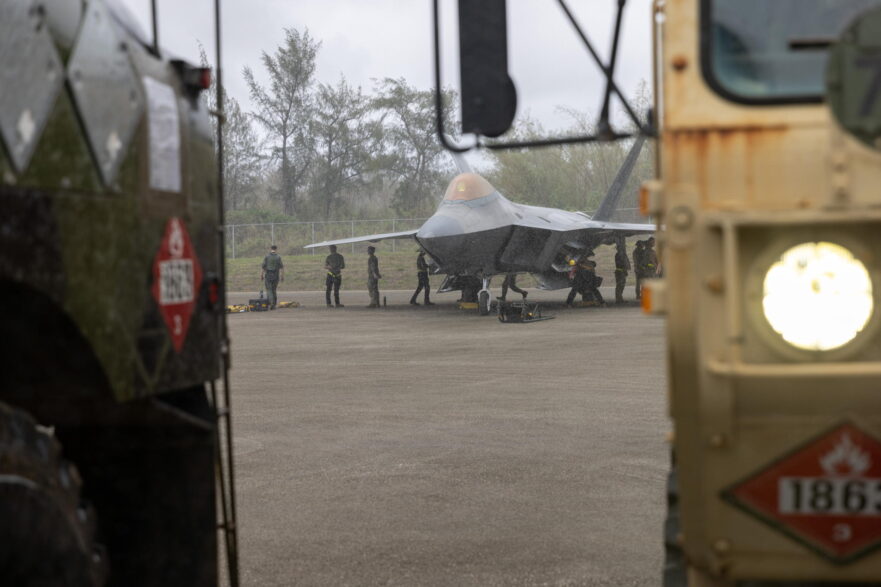
Wake Island, the remote U.S. territory situated roughly midway between Guam and Hawaii in the central Pacific, is being reactivated by the U.S. Navy as an operational airfield after more than seven decades of minimal staffing. According to contracting documents released by the service, the Navy intends to deploy maritime patrol aircraft to the island in support of classified missions tied to its premier forward-deployed naval intelligence unit. The move marks a significant shift in how the U.S. military is approaching its distributed basing strategy across the Pacific, with Wake Island transitioning from an austere contingency strip — occasionally used for exercise stopovers and emergency diversions — to an active forward operating location with dedicated aircraft and personnel.
The reactivation fits within a broader Pentagon effort to rehabilitate and operationalize World War II-era airfields across the Pacific theater. Wake Island joins facilities in the Commonwealth of the Northern Mariana Islands, including the historic Tinian airfield, in a network being rebuilt to extend the U.S. military's reach and complicate adversarial targeting calculus. The driving strategic logic is distributed operations: rather than concentrating forces at large, established bases like Andersen Air Force Base on Guam or MCAS Iwakuni in Japan — which are known, fixed targets — the Department of Defense is investing in a web of smaller, dispersed fields that can support rotational deployments of aircraft and sustain logistical chains under contested conditions. For maritime patrol aviation specifically, Wake Island's geographic position provides a significant extension of sensor and surveillance reach into the central and western Pacific approaches.
For professional aviators operating in the Pacific region — particularly those flying long-haul routes for commercial carriers, business aviation operators transiting between North America and Asia, or contract and military aviators supporting government missions — Wake Island has historically functioned as a known emergency alternate. Its inclusion on oceanic flight plans as a contingency divert point is well established, and its ICAO identifier (PWAK) appears in oceanic planning tools used by dispatch and flight operations teams. The Navy's resumption of regular operations will likely improve the island's infrastructure, fuel availability, and emergency support capabilities, which could have secondary benefits for civil aviation operators who rely on it as a critical ETOPS alternate across the North Pacific and Central Pacific oceanic tracks.
The broader trend reflected in Wake Island's reactivation is one of deliberate infrastructure investment across the Pacific island chain, driven directly by the expanding operational range of the Chinese People's Liberation Army Navy. As Chinese naval vessels and maritime patrol aircraft extend their patrols farther from the Chinese mainland and into the broader Pacific, U.S. military planners are responding by pushing their own presence outward along the island chains. The maritime patrol aircraft expected to operate from Wake — most likely variants of the Boeing P-8A Poseidon, the Navy's primary land-based maritime patrol and reconnaissance platform — are optimized for anti-submarine warfare, surface search, and intelligence gathering, missions directly relevant to monitoring Chinese naval activity across the central Pacific. Aviation operators and intelligence-community contractors active in the region should anticipate increased restricted airspace activity and NOTAM traffic associated with the island's expanded operational tempo as the Navy stands up its presence there.