5 Airlines With The World's Most Superior Business Class Dining In 2026
Business class catering has emerged as a primary competitive battleground among legacy and flag carriers in 2026, with airlines increasingly deploying multi-Michelin-starred chef partnerships, regionalized menus, and bespoke tableware programs to differentiate premium cabin products that have otherwise converged on broadly similar seat configurations and flat-bed standards. The Skytrax World Airline Awards 2025 rankings cited in the article reflect a broader industry acknowledgment that the inflight meal service — once treated largely as a logistical obligation — now functions as a significant brand extension and revenue driver for carriers competing on long-haul premium routes.
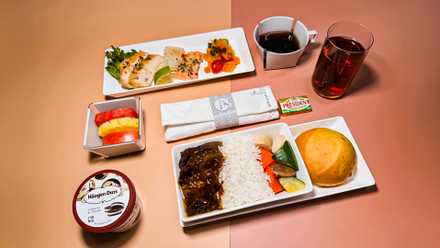
Air France's approach illustrates the depth of investment required to execute this strategy credibly. The carrier maintains a rotating roster of at least eight chef partnerships mapped specifically to departure region, ensuring, for example, that passengers boarding in Singapore receive menus curated by Julien Royer of Restaurant Odette rather than a Paris-centric menu that would feel disconnected from the boarding context. The engagement of sommelier Xavier Thuizat and pastry chef Nina Métayer — the latter holding back-to-back World's Best Pastry Chef titles in 2023 and 2024 — signals that Air France is treating individual components of the dining sequence as distinct product lines requiring specialist oversight. The pre-selection window of up to 15 days prior to departure also reflects a meaningful operational commitment, requiring catering logistics chains to hold individualized inventory across a large network.
All Nippon Airways' fourth-place Skytrax ranking for business class catering underscores how deeply Japanese culinary philosophy has translated into a defensible competitive position for the carrier. The kaiseki framework — with its structural emphasis on seasonality, ingredient provenance, and sequential presentation — maps naturally onto long-haul flight service, providing ANA with an organizing principle that distinguishes its menus from Western carriers without requiring the airline to simply replicate a restaurant experience. Seasonal menu rotations throughout the calendar year represent a significant ongoing investment in menu development and supplier relationships, but they also create a reason for frequent business travelers on routes like Tokyo–New York or Tokyo–London to perceive each flight as a distinct rather than repetitive experience.
For corporate flight departments and Part 91K/135 operators evaluating competitive positioning in the ultra-premium market, the practices documented here carry practical relevance beyond commercial aviation. The regional chef-pairing model adopted by Air France — aligning culinary identity with the cultural context of specific departure points — is a concept that high-end charter operators and large-cabin business jet programs have begun adapting, sourcing locally at both departure and destination cities to create a more bespoke catering narrative for high-net-worth passengers. The logistical infrastructure required to execute at the airline scale described is substantial, but the underlying philosophy of treating catering as a curated, itinerary-specific experience rather than a standardized service layer is increasingly influencing expectations across the broader premium aviation ecosystem.
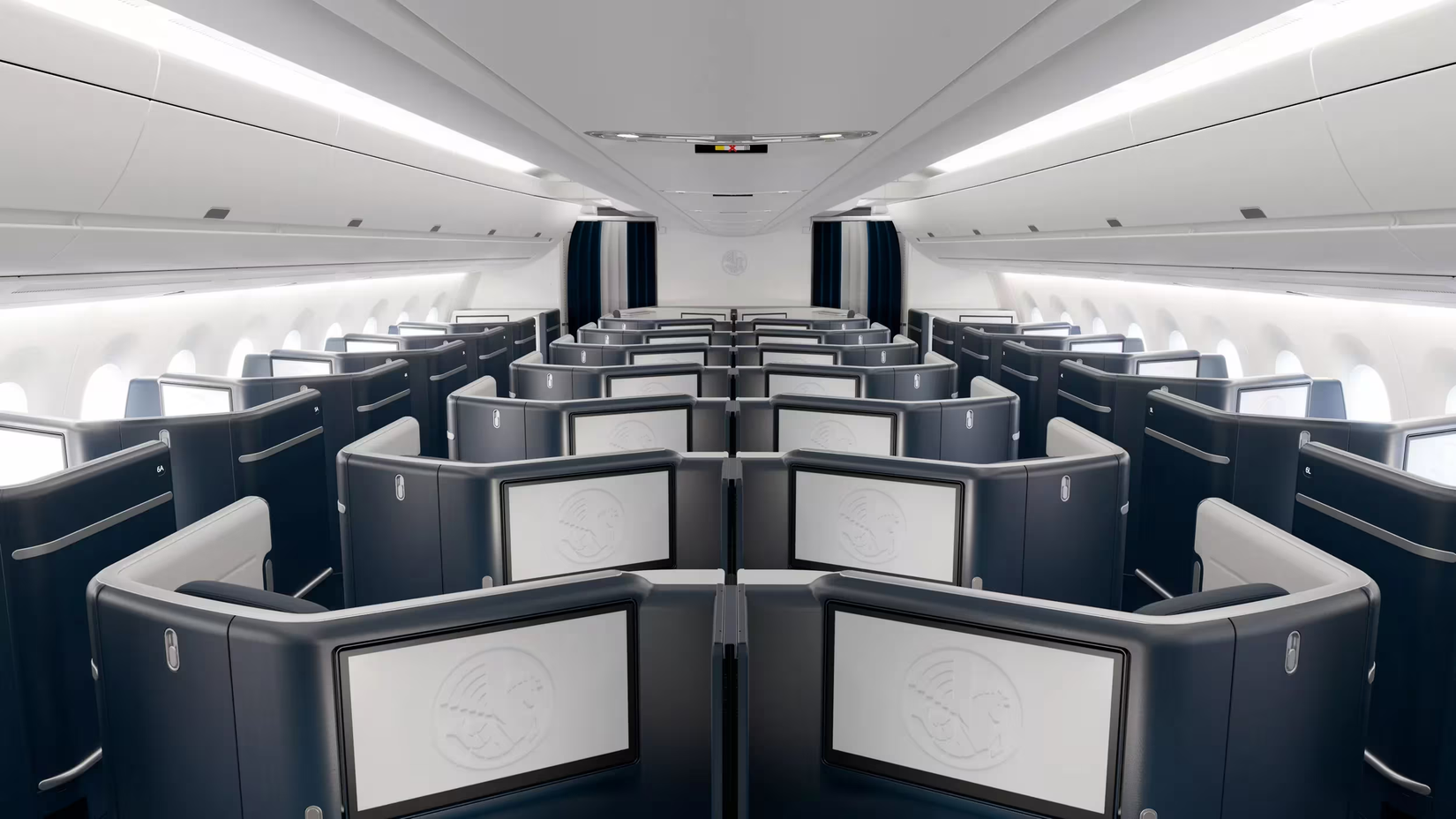
The broader trend reflected across both carriers covered in the available article text is that premium cabin differentiation has moved decisively away from hardware — seat pitch, lie-flat angles, screen size — toward experiential and sensory dimensions that are harder to benchmark on a specification sheet. As business class seat products across Qatar Airways, Emirates, Singapore Airlines, and the major European and Asian carriers have reached rough parity in physical comfort, the meal service, wine program, and tableware presentation represent the remaining vectors where perceived quality differences remain legible to frequent travelers. For airline strategists and operators alike, this signals that catering investment is increasingly being treated not as overhead to be minimized but as a measurable component of premium revenue yield.











 Read original article