"Four-Letter Word": United Airlines 767 Returns To Newark After Bluetooth Name Sparks Alert
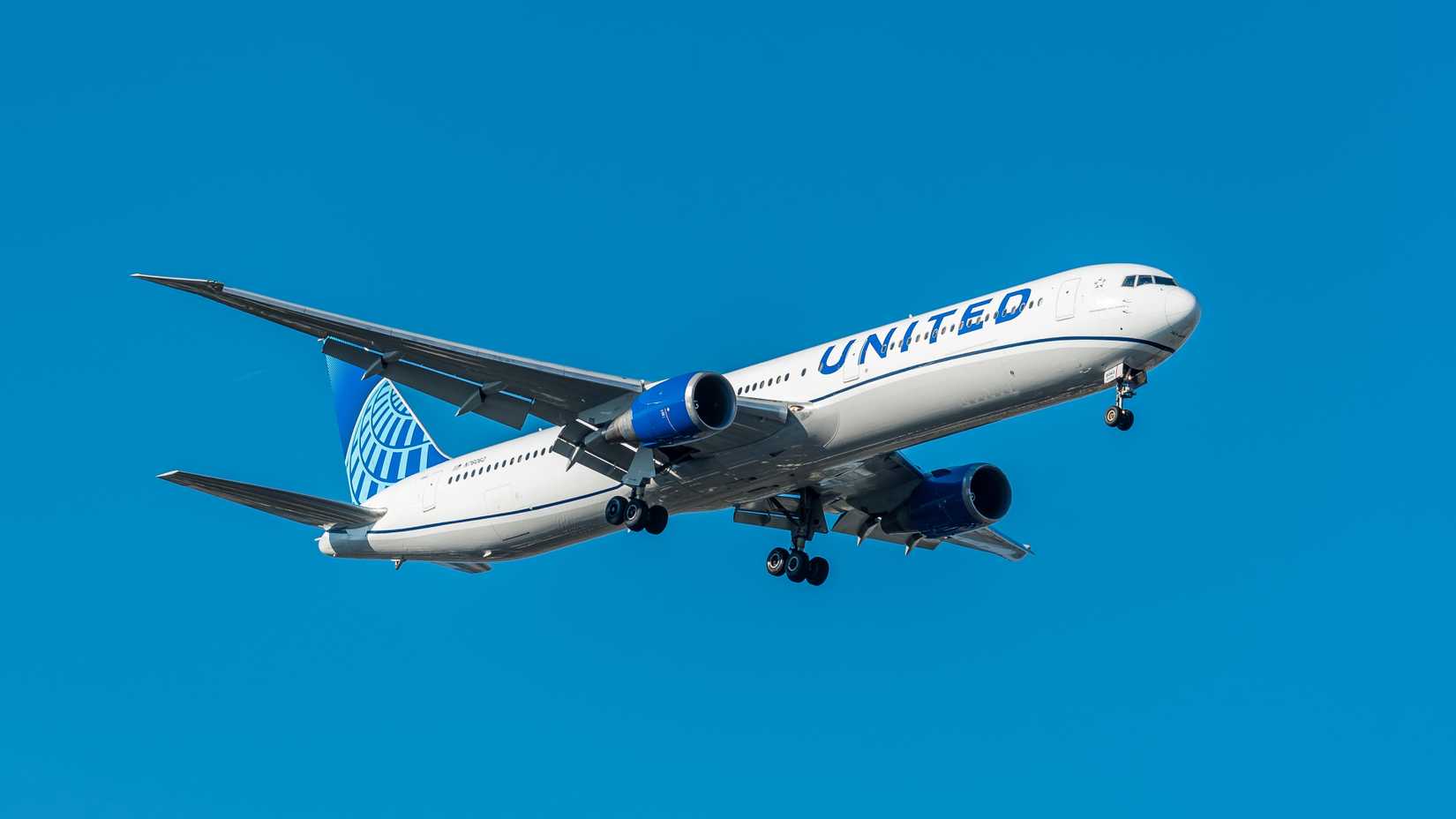
United Airlines Flight 236, a Boeing 767-400ER operating the Newark-to-Palma de Mallorca route on May 30, 2026, executed a mid-Atlantic diversion back to Newark Liberty International Airport after a passenger's Bluetooth-enabled Fitbit device broadcasting the name "BOMB" triggered a full security response. The crew issued repeated PA announcements demanding all passengers disable Bluetooth, culminating in a final one-minute compliance ultimatum. When at least two devices remained active after that deadline, the flight crew squawked 7700 — the general emergency transponder code — and turned the aircraft around. The flight had been airborne approximately 60 minutes when the situation escalated. Upon landing at EWR around 8:50 PM, law enforcement personnel, including federal agents, met the aircraft. Passengers were directed to deplane with only passports and phones, leaving all carry-on baggage aboard for a security sweep. The device was subsequently traced to a 16-year-old passenger; neither the teen nor the Fitbit were deemed a credible threat. The 190 passengers and 12 crew eventually departed on a replacement flight at approximately 02:30 AM aboard the same aircraft, arriving in Palma de Mallorca roughly nine hours behind schedule.
For flight crews operating long-haul and transatlantic routes, this incident illustrates the procedural and operational weight that attaches to even ambiguous or apparently non-credible threat indicators. The crew's decision to squawk 7700 and divert rather than continue the flight reflects post-9/11 threat-response doctrine under which the threshold for treating a potential threat as actionable remains deliberately low. Captains operating under FAR Part 121 carry broad authority — and significant responsibility — to declare emergencies and divert when security concerns arise, and this crew exercised that authority by the book. The incident also highlights an emerging cabin management challenge: the proliferation of Bluetooth-enabled wearables, earbuds, medical devices, and fitness trackers means that asking passengers to "turn off Bluetooth" is no longer a simple request. Passengers may be unaware that a smartwatch or fitness band is broadcasting independently of a phone, complicating crew attempts to achieve cabin-wide compliance.
The incident sits within a pattern of hotspot and Bluetooth naming provocations on commercial flights that has accelerated in the past several years. Earlier in May 2026, a United flight experienced a similar disruption when a Wi-Fi hotspot was named with an inflammatory political phrase, prompting a cockpit warning of FBI intervention. In April 2026, two separate United aircraft were evacuated on consecutive days following bomb threats. Across the industry, these events are placing increased pressure on airline security protocols and crew training to address the specific vector of passenger-controlled wireless device naming — a category of threat that was essentially nonexistent a decade ago. The operational consequence is real: diversions, law enforcement responses, TSA re-screenings, replacement aircraft positioning, and multi-hour delays represent significant costs to carriers and disruption to passengers.
For corporate and business aviation operators, particularly those flying Part 91K and Part 135 international operations, the pattern carries practical implications even outside the Part 121 context. Crews conducting passenger briefings on international and oceanic flights should consider explicitly addressing Bluetooth and Wi-Fi hotspot naming as part of pre-departure safety communication. While the regulatory framework for such communications is less prescriptive in business aviation than in the airlines, the same security sensitivities apply, and the consequence of a diversion from a transatlantic or transpacific routing on a small-cabin jet is proportionally more disruptive. Security coordinators at charter and fractional operators may also wish to revisit whether device-naming provocations are addressed in their threat-assessment and go/no-go protocols. As consumer electronics continue to expand the attack surface for even inadvertent security disruptions, the line between juvenile mischief and operationally significant threat events will remain difficult to draw at altitude.








 Read original article