Farewell: Pilot Of Spirit Airlines' Last Las Vegas Jet Performs Final "Wing Wave"
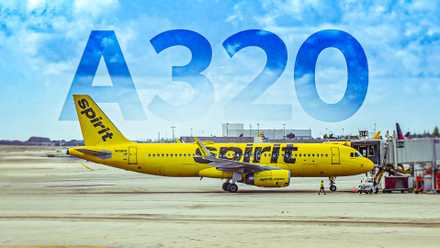
Spirit Airlines' final aircraft departure from Harry Reid International Airport on May 29, 2026 marked a symbolic endpoint to the ultra-low-cost carrier's 14-year presence in Las Vegas, as the pilot of N652NK—an 8.5-year-old Airbus A320 registered in Spirit's iconic yellow livery—performed a wing wave during climbout before routing the aircraft to long-term desert storage at Pinal Airpark in Marana, Arizona. The 53-minute ferry flight concluded at 10:52 AM local time, with the aircraft joining dozens of former Spirit fleet assets already sequestered at the facility by the airline's lessors. Spirit Airlines permanently ceased operations on May 2, 2026, following a failed last-minute investor rescue and a collapsed government liquidity arrangement, ending multiple bankruptcy proceedings with a full wind-down rather than reorganization. At the time of grounding, Spirit operated a fleet of over 90 Airbus A320-family aircraft—including A320-200, A320neo, A321-200, and A321neo variants—all now subject to lessor repossession and remarketing.
The operational mechanics of this wind-down carry direct relevance for pilots and flight departments tracking aircraft availability and lease market dynamics. When a carrier of Spirit's scale collapses, its lessor portfolio—spanning major lessors such as SMBC Aviation Capital, Air Lease Corporation, and others—floods the secondary market with narrowbody assets simultaneously, creating both downward pressure on lease rates and near-term opportunities for operators seeking to acquire or wet-lease Airbus narrowbodies. Pinal Airpark's role as one of the world's largest commercial aircraft storage and maintenance facilities means these aircraft will be preserved in desert conditions to minimize corrosion before remarketing, heavy maintenance check completions, or conversion for other operators. For pilots holding Airbus type ratings, particularly on the A320 family, the redistribution of these assets to other carriers—domestic and international—may drive hiring cycles and recurrent training demand in the near term.
The broader context of Spirit's failure reflects compounding structural vulnerabilities that aviation operators have been navigating industry-wide: post-pandemic cost normalization, elevated fuel prices exacerbated by geopolitical instability (in this case, the Iran crisis referenced in the airline's final months), and tightening capital market access for carriers without investment-grade credit profiles. Spirit had already survived one bankruptcy restructuring attempt before the May 2026 liquidation, and its inability to attract private capital or secure government bridge financing underscores how unforgiving the current financing environment has become for highly leveraged, single-cabin ULCC operators. Airlines dependent on razor-thin margins and high seat density—Spirit's A320s were configured for 182 passengers—have limited buffer against simultaneous fuel cost spikes and demand softness.
For corporate and Part 91/135 operators, Spirit's collapse is a reminder of the cascading effects airline bankruptcies generate across the broader ecosystem: displaced crews entering the pilot labor market, repossessed aircraft reshaping lease availability, and stranded passengers creating short-term demand spikes for charter. Customers who purchased directly via credit or debit card are receiving refunds under standard consumer protection frameworks, while voucher and loyalty point holders face the slower, uncertain resolution of bankruptcy proceedings—an outcome that reinforces longstanding industry guidance for business travelers to favor credit card purchases and avoid accumulating significant balances in carrier loyalty currencies. The farewell wing wave performed by N652NK's crew, while ceremonial, also reflects the enduring professional culture of commercial aviation, where pilots and crews maintain identity and pride in craft even at the conclusion of an airline's existence.









 Read original article