United Airlines Flight Diverts After Passenger Makes “Multiple” Cockpit Breach Attempts
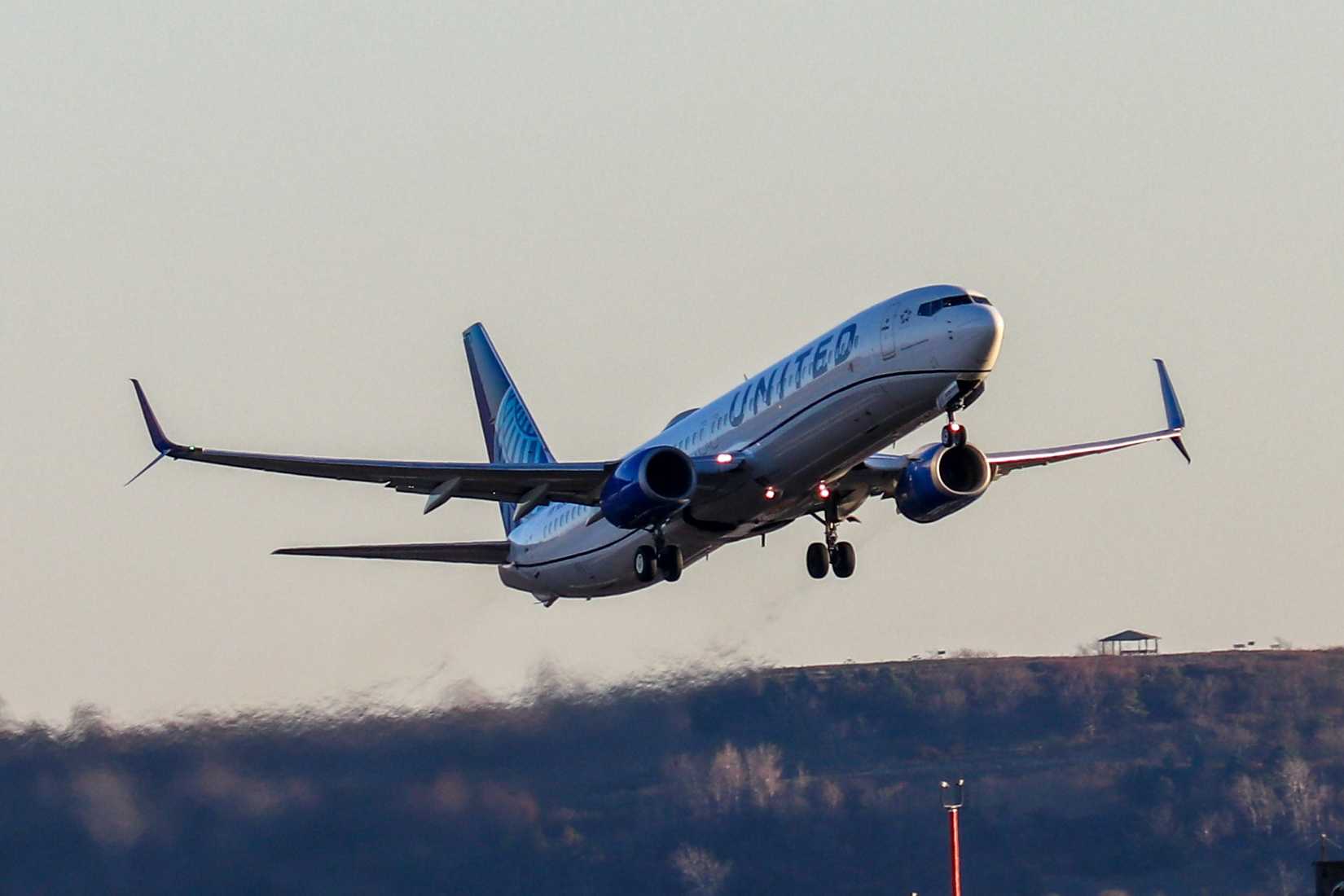
United Airlines flight UA2005, operating a Boeing 737-900ER between Chicago O'Hare and Minneapolis-St. Paul on May 29, 2026, diverted to Madison, Wisconsin after a male passenger made multiple attempts to breach the flight deck. The incident, which unfolded approximately one hour into the flight, began before departure when the individual repeatedly refused crew instructions to remain seated during taxi. Witnesses reported the passenger forced his way toward the front of the cabin and reached for a flight attendant before other passengers physically restrained him. Law enforcement officers already aboard the aircraft assisted in subduing the individual, ultimately sitting on either side of him to maintain physical control until the aircraft landed at Madison Dane County Airport (MSN) at 9:29 PM. The passenger, described as having limited English and speaking Russian, was handcuffed by the Dane County Sheriff's Office upon landing. The FBI's Milwaukee Madison Resident Agency responded to the scene. After a ground delay of nearly four hours, the aircraft continued to Minneapolis, arriving at 2:19 AM — approximately five hours behind schedule.
The operational response by the flight crew reflects standard threat-mitigation doctrine for cockpit security incidents in the post-9/11 regulatory environment. Under 49 CFR Part 1544 and FAA guidance, flight crews are trained to treat any attempt to access the flight deck as a potential act of unlawful interference, regardless of apparent passenger intent or capability. The captain's decision to divert rather than continue the 45-minute remaining leg to Minneapolis was textbook risk management: with an actively combative passenger aboard and only partial physical control established, continuing to a busier destination introduces additional variables including extended exposure time and more complex law enforcement coordination. Diverting to a smaller, closer airport — Madison in this case — allowed for faster ground control, a more contained law enforcement response, and reduced risk to the remaining 147 passengers and six crew members. The presence of law enforcement officers already aboard, while not detailed in terms of their capacity (armed federal air marshals versus off-duty officers traveling as passengers), proved operationally decisive in preventing escalation.
For line pilots and cabin crew operating domestic routes, this incident reinforces several practical realities. Pre-departure behavioral indicators — repeated non-compliance with seated instructions during taxi, agitation, language barriers complicating crew communication — were present and observable before the aircraft ever left the gate. Industry guidance consistently supports removing disruptive passengers before departure when practicable, and the failure to do so here, whether due to ambiguity in threat assessment or gate pressure, resulted in a diversion, a five-hour delay, and FBI involvement. Flight crews should treat pre-departure non-compliance not merely as a passenger management nuisance but as a potential precursor indicator warranting gate agent coordination and, where warranted, coordination with airport law enforcement before pushback. The language barrier noted in this incident also points to the practical communication challenges crews face when attempting to de-escalate with passengers who cannot reliably receive verbal instructions.
The broader pattern of cockpit breach attempts remains a persistent concern across commercial aviation. While post-9/11 reinforced cockpit doors have dramatically reduced the risk of successful intrusion, attempts continue to occur with enough frequency that the FAA, TSA, and airline security coordinators treat them as a distinct and serious threat category warranting FBI notification as standard protocol. United Airlines has experienced multiple high-profile diversions due to unruly passengers in recent years, a pattern shared across major U.S. carriers reflecting post-pandemic normalization challenges, increased passenger stress behaviors, and what some aviation security researchers describe as a diffusion of social norms around in-flight compliance. For Part 135 and corporate flight department operators, the incident also serves as a reminder that smaller cabin environments — where physical separation between passengers and the flight deck is often minimal — require equally rigorous attention to pre-boarding screening and crew authority protocols, even in the absence of a reinforced cockpit door mandated by the same federal standards applied to Part 121 carriers.






 Read original article