United Airlines’ Boeing 777-200 Flights From San Diego Won’t Return, But Lie-Flat Beds Will
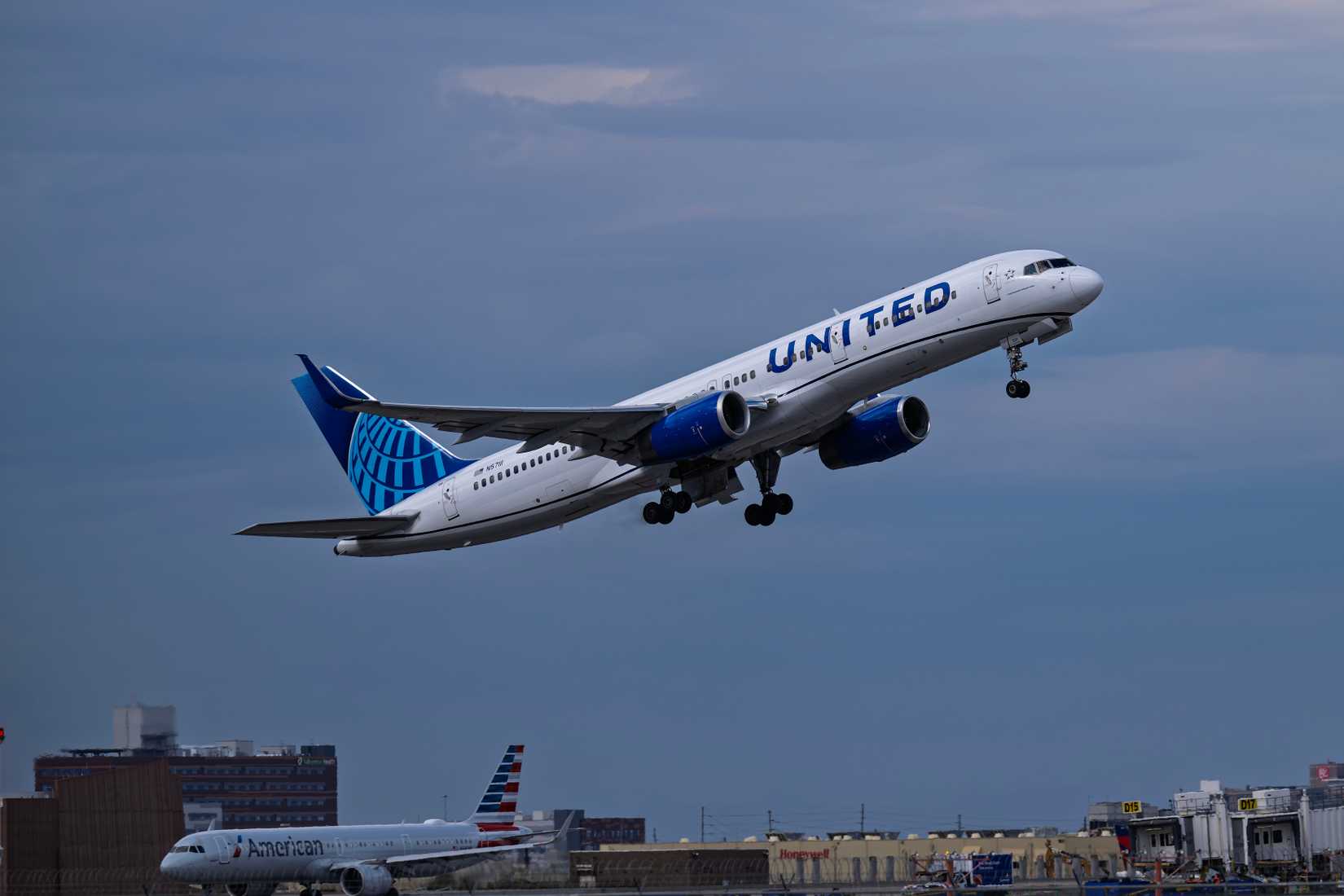
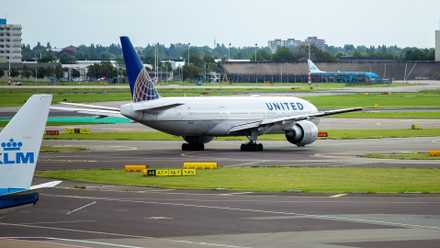
United Airlines is reintroducing lie-flat business class seating on its San Diego International Airport (SAN) to Washington Dulles International Airport (IAD) transcontinental route this fall, deploying the Boeing 757-200 beginning September 24, 2026, through October 24, 2026. The move marks a partial restoration of premium cabin service on the corridor after the carrier removed its Boeing 777-200 from the route in summer 2025, a decision that left the SAN-IAD pairing served exclusively by 737 variants — none of which carry lie-flat Polaris seating. According to aviation analytics firm Cirium, the 757-200 will operate once daily during its deployment window, generating seven round trips in September and 24 in October. The aircraft is configured for 176 passengers across three cabins: 16 in United Polaris business class with fully flat 180-degree recline seats at a 2-2 configuration, 42 in Economy Plus, and 118 in standard economy.
The operational context here is significant for understanding fleet deployment strategy on competitive transcontinental routes. The 777-200's removal from SAN last summer effectively downgraded a high-yield premium market that had been among the few transcontinental routes in the continental U.S. served by widebody equipment. The 757-200, while a narrowbody, carries United's full Polaris lie-flat product and represents one of the more premium narrowbody configurations in U.S. domestic service. Its positioning on this route through the fall shoulder season — when business travel demand begins recovering after summer leisure peaks — reflects a deliberate yield management decision to offer premium inventory without the seat-count commitment of a widebody. The temporary, month-long nature of the deployment also suggests United is testing demand elasticity before making a longer-term gauge or product decision for the route.
For professional pilots and dispatchers operating under Part 121 or corporate flight departments that route executives between Southern California and the Washington D.C. area, the 757-200's appearance on this route has practical scheduling implications. The SAN-IAD nonstop market is a thin competitive environment: United and Alaska Airlines are the only carriers operating the route nonstop, while Southwest covers BWI and Alaska additionally serves Reagan National (DCA). That limited competition gives United considerable pricing power on lie-flat inventory during the 757's deployment window. Corporate travel managers and flight departments weighing commercial lift alternatives against private options on this corridor should account for the fact that lie-flat availability is constrained to a 31-day window with just 16 Polaris seats per departure — a meaningful scarcity factor when booking premium inventory for executives.
The broader trend this episode reflects is the ongoing recalibration of widebody versus narrowbody deployment on domestic U.S. transcontinental routes following the post-pandemic restructuring of domestic premium demand. Airlines industry-wide have been rationalizing widebody domestic use — pulling 777s and 787s off routes where 757s or even MAX variants can cover demand — while still attempting to preserve lie-flat product availability where premium travelers expect it. The 757-200 has become something of a workhorse compromise aircraft in this environment: narrow enough to operate economically on thinner routes but capable of hosting full long-haul premium products. United's decision to temporarily slot the type into SAN-IAD rather than permanently restore a widebody or upgrade the 737 operation with an authenticated lie-flat product signals that the carrier views the route's premium demand as real but not yet sufficient to justify sustained gauge investment. Pilots based at SAN or IAD flying for United's narrowbody operations will want to monitor whether October demand metrics prompt an extension of the 757 schedule or a return to all-737 operations for the winter season.







 Read original article