Plane & Pilot News | Aviation News & Industry Updates
Plane & Pilot Magazine's current news cycle reflects a general aviation landscape defined by competing pressures: renewed enthusiasm for performance-oriented light sport aircraft, a resurgent air racing and competition scene, and an underlying safety discourse that continues to shape pilot training culture across all certificate levels. The publication, which has served recreational and owner-pilot audiences for more than five decades under Flying Media Inc., reaches approximately 50,000 monthly readers through print and digital channels and remains a primary retail-level intelligence source for the GA segment of the pilot population — a segment that increasingly overlaps with the Part 91 owner-operator community that corporate and business aviation professionals regularly interface with.
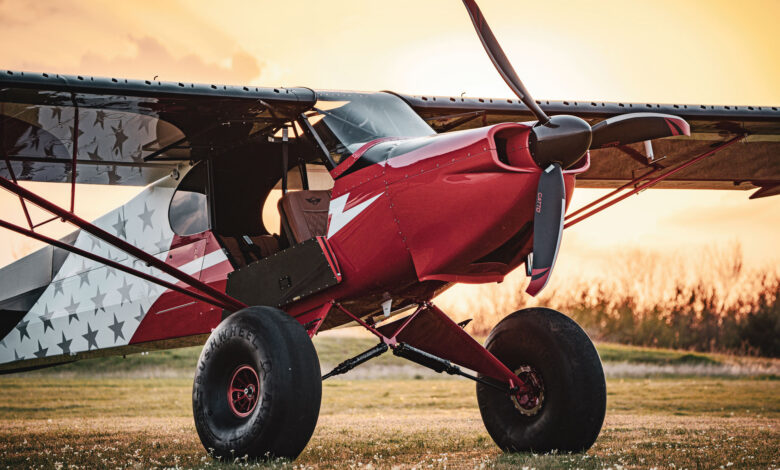
Among the most operationally notable developments in the current coverage cycle is the Legend Nomad, a Rotax 916iS-powered STOL variant producing 160 horsepower and capable of a six-second ground roll with climb rates reaching 1,500 feet per minute at sea level. Priced near $250,000 for 2026 models, the Nomad represents the upper tier of a Light Sport Aircraft market that has been substantially reshaped by 2024 FAA Part 23 amendments allowing higher gross weights and expanded operational envelopes for LSA-category aircraft. The Flight Design F2, also in current coverage, uses a 100-horsepower Rotax with a carbon fiber airframe and engineered spin resistance — a design philosophy directly responsive to stall/spin accident data that continues to dominate the GA fatal accident record. These aircraft are not incidental to professional pilots; they represent where a significant portion of primary and recurrent training hours are being flown, and understanding their handling characteristics and regulatory classification is increasingly relevant for Part 135 and Part 91K operators who hire pilots whose foundational hours were accumulated in this category.
The return of organized air racing to the competitive calendar carries broader symbolic weight for the industry. The 61st National Championship Air Races, scheduled for September 2026 in New Mexico under the Reno Air Racing Association, marks the continued reconstruction of a competition infrastructure that was effectively dismantled between 2020 and 2023. Seven race classes, including Unlimited, and a scheduled Thunderbirds demonstration signal an event designed to attract both public engagement and media attention at a time when general aviation is competing for cultural relevance against urban air mobility narratives and electric aircraft development. Similarly, the 2026 National STOL season — launching in Louisiana with prize structures exceeding $100,000 — reflects a grassroots performance culture that has grown substantially in spectator interest and manufacturer participation, driving real aerodynamic development in backcountry and short-field capable platforms.
The safety dimension of current GA media is equally significant for professional operators. Analysis of the 2026 Cirrus SR22T stall accident in Shelbyville, Indiana — examined by Aviation News Talk and involving flap retraction during a low-power approach — illustrates a well-documented accident chain that professional training programs have long addressed but that continues to produce fatal outcomes in owner-flown turbonormalized singles. AOPA's Real Pilot Stories series contributes to this environment by providing incident-based learning content accessible without subscription, reinforcing situational awareness and decision-making frameworks that align with CRM principles taught in professional recurrent training. For corporate flight departments operating mixed fleets or managing pilot pipelines that include GA-background hires, the quality and consistency of safety culture messaging in publications like Plane & Pilot has a downstream effect on the foundational habits those pilots carry into professional operations.
The broader context for all of this activity is a professional pilot market that, according to 2025 Airline Pilot Central data, has seen major carrier senior pay exceed $400 per flight hour — a figure that continues to influence the career trajectory calculus for GA pilots at every stage and sustains demand for the training content, aircraft reviews, and operational guidance that publications like Plane & Pilot provide. As the pipeline between general aviation and professional flight operations remains structurally interdependent, developments in LSA certification standards, STOL competition innovation, and GA safety culture are not peripheral concerns for professional aviators but active variables in the workforce and equipment landscape they operate within.












 Read original article