Frontier Airlines Is Bringing Back Los Angeles-Orlando Flights For Half As Long As Last Year
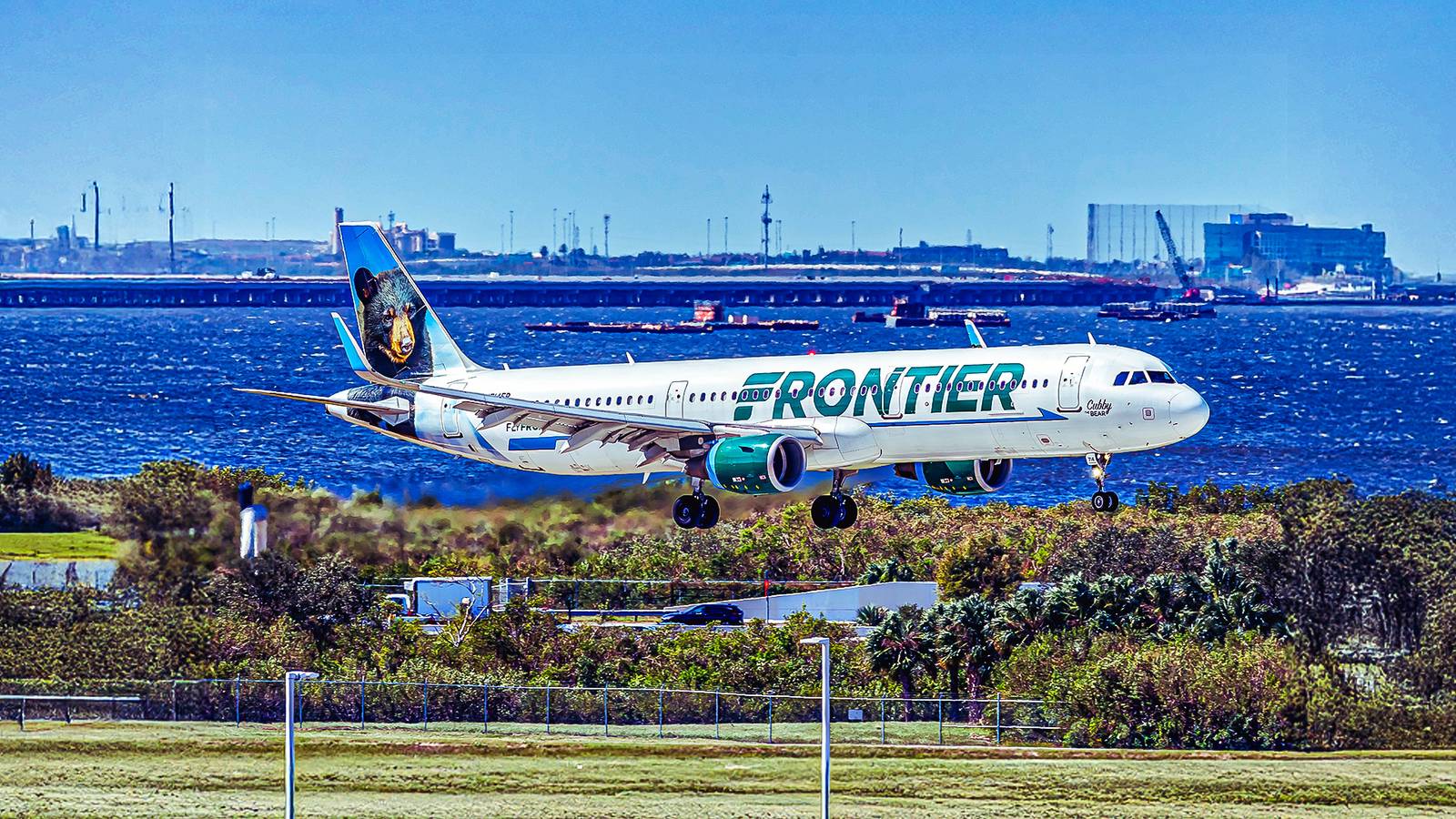
Frontier Airlines is resuming seasonal nonstop service between Los Angeles International Airport (LAX) and Orlando International Airport (MCO) beginning July 1, 2026, with operations scheduled through October 26. The ultra-low-cost carrier's return to the route marks a significant contraction from its 2025 service, which ran approximately 11 months from March through January. For the 2026 season, Frontier will operate daily flights using its densely configured Airbus A321neo, seating 240 passengers, contributing a total of 117 flights and 28,080 seats across the four-month window. The eastbound leg covers 2,217 miles in roughly four hours and 55 minutes, with the westbound return stretching to five hours and 25 minutes due to prevailing winds.
The scheduling decision reflects a more disciplined capacity deployment strategy that has become characteristic of ULCCs attempting to stabilize margins following years of aggressive expansion. The compressed seasonal window — concentrated around the peak summer travel period and early fall — suggests Frontier is prioritizing load factor performance over year-round route presence. This is a notable strategic shift from the extended 2025 service, which likely suffered from soft demand during shoulder and off-peak months. The collapse of Spirit Airlines, which also operated the LAX-MCO corridor, creates an opening for Frontier to absorb price-sensitive leisure traffic, though the competitive landscape remains substantial. Delta leads the market in scheduled flights across all four months, with American, United, and Southwest all maintaining meaningful seat counts throughout the summer, giving Frontier limited pricing power on a route dominated by network carriers.
For airline and charter operators tracking ULCC activity in the transcontinental leisure market, the LAX-MCO pairing is instructive. It represents one of the highest-volume origin-destination leisure markets in the country, driven by Disney World and Orlando's broader theme park economy on the east end, and connecting Southern California's enormous outbound leisure base on the west. Frontier's A321neo fleet deployment — with 64 aircraft currently in service and 130 on backorder — signals long-term strategic commitment to high-density single-aisle transcontinental flying as its core competitive model. The phaseout of the older A321-200 variants in favor of the more fuel-efficient neo further underscores the carrier's effort to reduce per-seat operating costs and compete sustainably against carriers with superior product offerings.
From an operational standpoint, the 240-seat A321neo configuration Frontier operates is among the densest in U.S. domestic service, with no seatback entertainment systems and ancillary fees applied to virtually all onboard services. This model, mirroring the European ULCC framework, places significant informational burden on passengers and creates distinct passenger flow characteristics that professional crews operating into congested hub airports like LAX and MCO must account for. Both airports regularly experience ground delay programs, surface congestion, and gate conflicts during peak summer periods, and the addition of 30 daily Frontier operations at MCO during July amplifies pressure on already-stressed infrastructure. Corporate flight departments routing clients into the Orlando area during summer months should anticipate increased congestion across MCO's terminals, with potential spillover effects on ramp sequencing and FBO access at nearby alternatives such as Orlando Executive (ORL) or Sanford International (SFB).
The broader trend illustrated by Frontier's LAX-MCO posture is one of selective ULCC retrenchment following the industry-wide overcapacity corrections of 2023–2025. Spirit's bankruptcy and subsequent dissolution removed one competitive pressure point but also narrowed the ultra-low-fare options available to leisure travelers, potentially allowing Frontier marginal yield improvement on routes it chooses to serve. Allegiant, the third major domestic ULCC, has similarly focused on point-to-point leisure markets with high seasonal concentration. As network carriers continue to invest in premium cabin expansion and loyalty-driven revenue strategies, the middle-market fare segment — once contested by Spirit — increasingly defaults to Frontier as the dominant surviving ULCC brand, a structural shift with meaningful implications for pricing dynamics across high-frequency leisure corridors nationwide.




 Read original article