250 Hawaiian Airlines Flight Attendants Told To Drop Leis & Aloha Shirts On New Seattle Routes
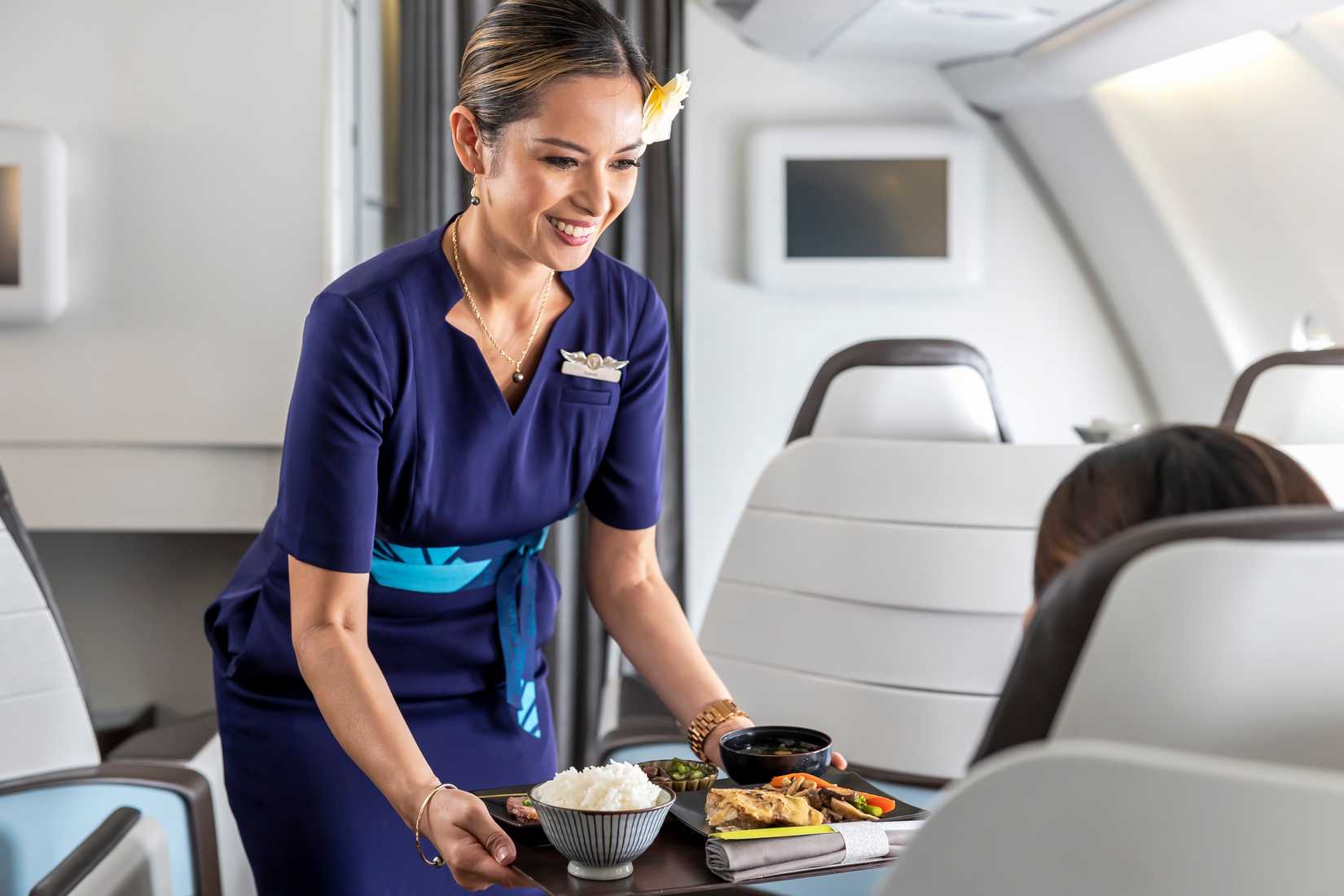
Alaska Air Group's integration of Hawaiian Airlines is producing visible operational friction, with approximately 250 Hawaiian Airlines flight attendants assigned to long-haul international routes from Seattle-Tacoma International Airport (SEA) now required to conform to Alaska Airlines' more neutral uniform standards on flights marketed under Alaska's branding. The affected crew members, who bid voluntarily into widebody international operations typically flown on Boeing 787-9 Dreamliners, have been instructed to forego signature cultural elements including leis, floral hairpieces, and aloha shirts during those assignments. The restriction is selectively applied: routes with direct Hawaii connectivity continue to permit Hawaiian cultural presentation, while Seattle-originating international services operating as Alaska-branded flights follow Alaska's standard cabin appearance guidelines. Hawaiian Airlines' managing director of Hawaii marketing, Alisa Onishi, acknowledged the difficulty of the policy shift while indicating that management expects employee acceptance to grow as the rationale is communicated more fully.
For flight crews and aviation operators, this development illustrates the human-factors dimension of airline mergers that often receives less attention than fleet decisions or network restructuring. When two carriers with distinct labor cultures are combined under a single corporate structure, seniority systems, work rules, and even personal expression policies become contested territory. Flight attendants at Hawaiian Airlines who built their careers around an explicitly culture-forward service identity now find themselves working in a framework defined by a different carrier's brand standards, depending entirely on which route they are assigned on a given day. This kind of shifting contextual expectation creates legitimate morale risk, and its management has direct implications for inflight service consistency and crew cohesion — factors that matter to corporate and business aviation operators when evaluating contract flying or codeshare exposures.
The broader operational picture reflects a deliberate dual-brand strategy that Alaska Air Group has pursued since completing its acquisition of Hawaiian Airlines. Rather than immediately folding Hawaiian into Alaska as a simple rebranding exercise, the company has maintained separate customer-facing identities segmented by route market and aircraft type. The reservation system transition has already been completed, and a single operating certificate — a major regulatory and logistical milestone — remains a stated near-term objective. The selective application of uniform standards by route type is consistent with this phased approach, effectively preserving Hawaiian Airlines' brand equity on its core island-serving routes while standardizing the experience on international long-haul operations where Alaska's brand is better established with the target customer base.
The tension visible in this uniform dispute is representative of a challenge facing every major airline consolidation: integrating workforces whose professional identities are tied to institutional cultures that predate the merger. In the case of Hawaiian Airlines, cultural expression in uniform is not merely aesthetic — it reflects decades of positioning around genuine Hawaiian hospitality as a core service differentiator. Competitors and travel industry observers will be watching whether Alaska Air Group can retain that differentiation on Hawaii-facing routes while the unified operational infrastructure matures. The company's stated intention to eventually involve Hawaiian cultural creators in future uniform design suggests leadership recognizes that erasing brand identity entirely would undermine the market rationale for maintaining two distinct products. For professional aviators and operators who route through SEA or operate in Pacific markets, the practical outcome of this integration will be measured in schedule reliability, network utility, and whether the dual-brand model produces coherent passenger experiences or visible internal inconsistency.











 Read original article