Douglas Aircraft Co Archives - Leeham News and Analysis
Leeham News analyst Bjorn Fehrm continues his multipart series on aircraft structures with a focused examination of aluminum alloy development and its decisive role in shaping modern airliner construction. The third installment builds on earlier coverage of Duralumin — the copper-alloyed aluminum that made stressed-skin construction viable — and advances the historical narrative to the zinc-alloyed 7000-series aluminum alloys, a material class that remains central to contemporary airframe engineering. The DC-3 serves as the series' anchor example for stressed-skin construction between the world wars, a fitting choice given that aircraft's outsized influence on commercial aviation standardization, structural philosophy, and operational economics.
The structural history Fehrm traces is not merely academic. The 7000-series aluminum alloys referenced in this installment are the same material class found in wing spars, fuselage frames, and other primary structure in aircraft still flying today, from aging regional turboprops to late-model business jets. The "issues" flagged in the article's title likely refer to the well-documented stress corrosion cracking susceptibility that affects certain 7000-series tempers, a concern that has historically driven mandatory inspection programs and airworthiness directives across multiple aircraft types. For maintenance-aware flight crews and Part 91 operators managing aging aircraft, understanding the material science behind structural limitations provides useful context for interpreting AD compliance requirements and inspection intervals.
The broader Leeham archive from which this piece is drawn illustrates how deeply intertwined engine and airframe development have been throughout commercial aviation history. Companion articles in the series trace the evolution from straight-jet powerplants through first-generation turbofans to the high-bypass engines that define modern commercial propulsion, with the DC-10, 747, and L-1011 representing the inflection point at which GE, Pratt & Whitney, and Rolls-Royce all committed to the high-bypass architecture that now dominates the industry. The progression from Duralumin-skinned transports like the DC-3 to the composite-primary-structure aircraft entering service today reflects a continuous materials development thread that operators and engineers rarely view as a single coherent narrative.
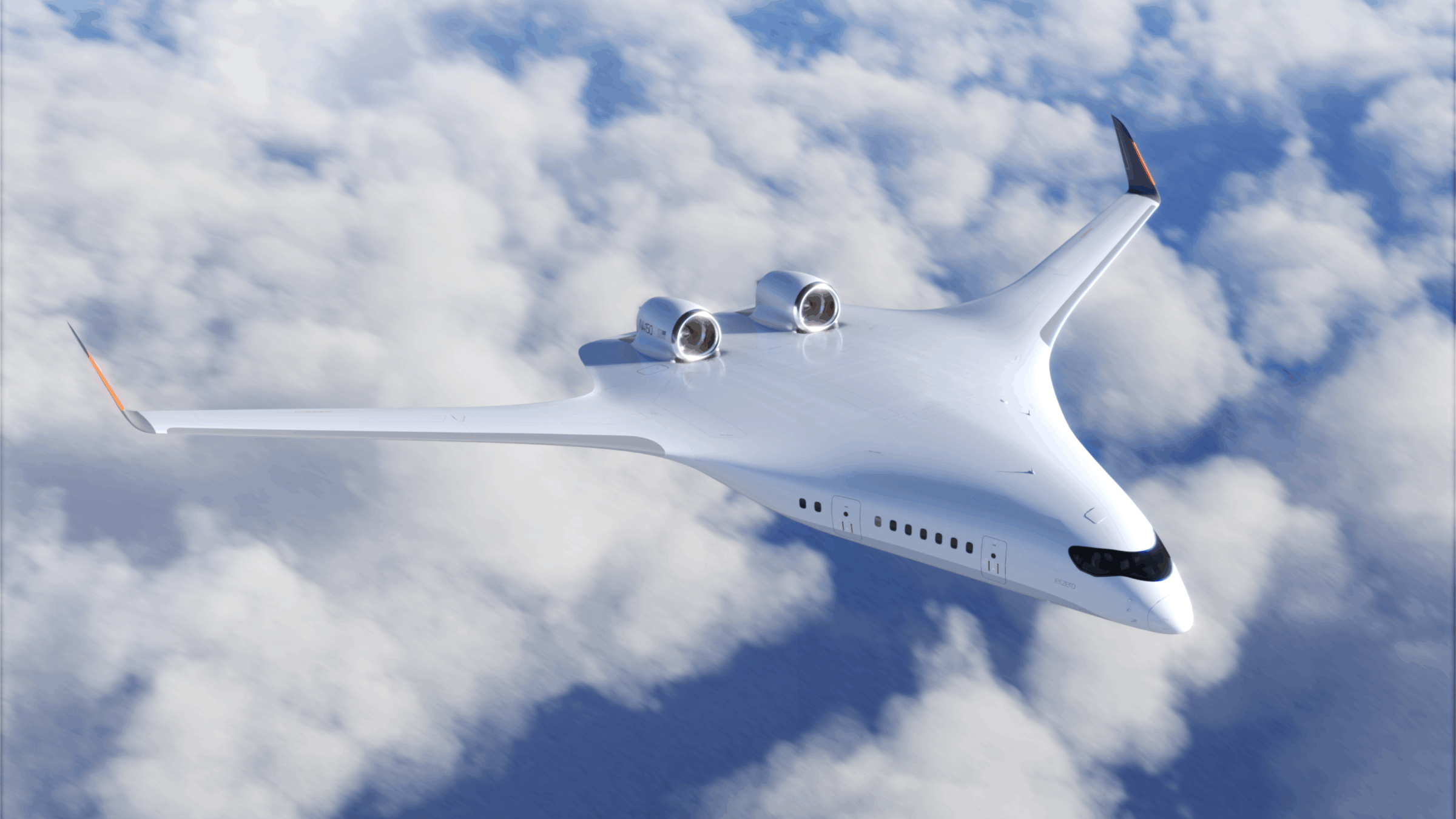
Fehrm's parallel series on Blended Wing Body airliners, also visible in this archive, connects the historical structural analysis to forward-looking design challenges. The BWB work highlights that aircraft like the JetZero Z4 face fundamental aerodynamic and structural trade-offs — particularly the absence of conventional high-lift devices — that require significantly larger wing areas to meet low-speed performance requirements. This is not an abstraction for operators: wing area, structural weight, and high-lift system design directly affect balanced field length, obstacle clearance margins, and payload-range economics. Understanding why a BWB requires an oversized wing for approach speeds rather than cruise efficiency is precisely the kind of systems-level insight that informs how professional pilots should evaluate next-generation platform claims.
Taken together, these Leeham technical series represent some of the more rigorous publicly available engineering journalism aimed at aviation professionals. For type-rated pilots, chief pilots, and fleet planners, the structural and propulsion history Fehrm documents is not nostalgia — it is the foundation on which current certification standards, maintenance philosophies, and fleet evaluation criteria are built. The emphasis on material limitations, design trade-offs, and the incremental nature of aviation progress offers a useful corrective to marketing-driven narratives around both new airframe programs and the legacy fleets that continue to carry the majority of commercial and business aviation traffic worldwide.









 Read original article