United Airlines Wished It Could Undo This Airbus Decision & It Finally Did
United Airlines' 17-year Airbus A350 saga reached its practical endpoint in early 2026 when the carrier removed all A350 deliveries from its internal fleet planning, as disclosed in its SEC 10-K filing. The order, originally placed in 2009 under CEO Glen Tilton for 25 A350-900s, was intended to replace the airline's aging Boeing 747-400 fleet. Over the intervening years, the order was restructured twice — first to 35 A350-1000s under CEO Jeff Smisek in 2013, then back to 45 A350-900s in 2017 — and deferred no fewer than four times, pushing the original 2016 delivery window all the way to 2030. The move to remove the aircraft from planning effectively signals that United has decided, operationally and financially, that the A350 no longer fits its fleet strategy, even if the order technically remains on Airbus's books pending resolution of a separate legal matter.
The legal dimension of the unwinding involves Rolls-Royce, the manufacturer of the Trent XWB engines that power all A350 variants. United placed a $175 million deposit with Rolls-Royce in 2017 and, in December 2025, formally requested its return. Rolls-Royce declined, asserting United was in breach of contract. The dispute appears to hinge on a fundamental commercial mismatch: United holds engine pricing terms negotiated nearly two decades ago, which have become highly attractive relative to current market rates, while Rolls-Royce has little incentive to honor those terms for an order that has been deferred repeatedly with no credible delivery commitment. The outcome of this dispute will likely determine the formal cancellation mechanism, but the operational decision appears already made.
For airline operators and fleet planners, the United A350 situation illustrates the compounding risks of long-horizon aircraft orders in a volatile commercial aviation environment. The original 2009 order was placed during a period of contraction, when United sought fleet efficiency and rightsizing. The carrier's subsequent pivot to Boeing 777-300ERs — purchased at distressed pricing when Boeing needed to move near-term slots — proved a far more practical solution to the immediate 747-400 retirement problem. Those 777-300ERs entered service in 2016, the 747-400s were retired in 2017, and the A350 order became structurally redundant before a single airframe was delivered. The episode reinforces a recurring lesson in fleet strategy: opportunistic near-term deals often displace long-range commitments when operational urgency meets favorable pricing.
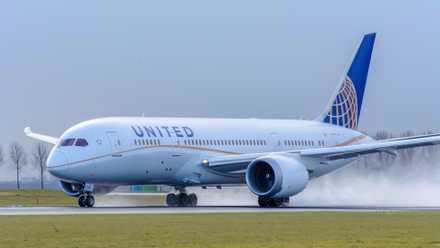
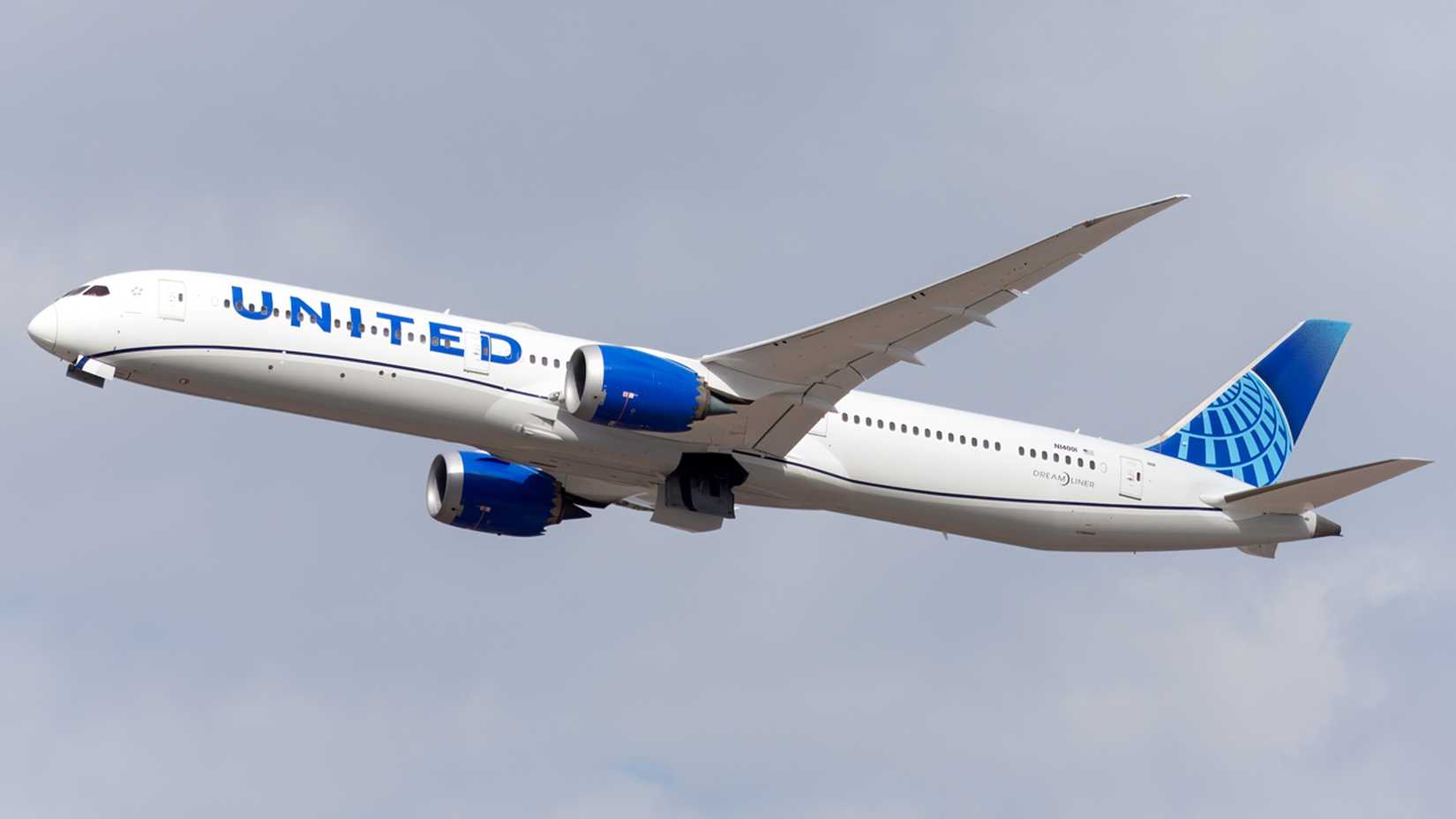
The fleet commonality argument is particularly relevant to operators evaluating widebody procurement. United has built its long-haul network architecture around two platforms — the Boeing 787 Dreamliner and the Boeing 777 — creating meaningful economies in training, maintenance, spare parts pooling, and crew qualification. Introducing the A350, powered by the Trent XWB, would add a third widebody type with no engine commonality to anything else in the fleet. For a carrier with 96 Boeing 777s, 74 of which require near-term replacement, the calculus strongly favors a Boeing solution — most likely the 777X — that preserves existing type commonality and crew familiarity. The A350-900's performance advantages over the 787-9, while genuine, do not appear to outweigh those integration costs in United's operational calculus.
The broader implication for the North American widebody market is that Airbus continues to struggle for durable footholds with the major U.S. legacy carriers outside of Delta, which operates a large A350 fleet, and to a lesser extent American. United's de facto exit from the A350 program — following the earlier departures of US Airways (via merger) and Hawaiian Airlines (via fleet restructuring) — underscores how difficult it is for Airbus to convert initial commitments from U.S. operators into actual deliveries when Boeing holds deep, long-standing maintenance, training, and contractual relationships. For corporate flight departments and Part 135 operators watching the widebody market, the continued concentration of U.S. long-haul capacity around Boeing platforms has downstream implications for crew availability, training infrastructure, and simulator access for years to come.









 Read original article