Boeing faces good and bad news as it plots 737, 787 production hikes
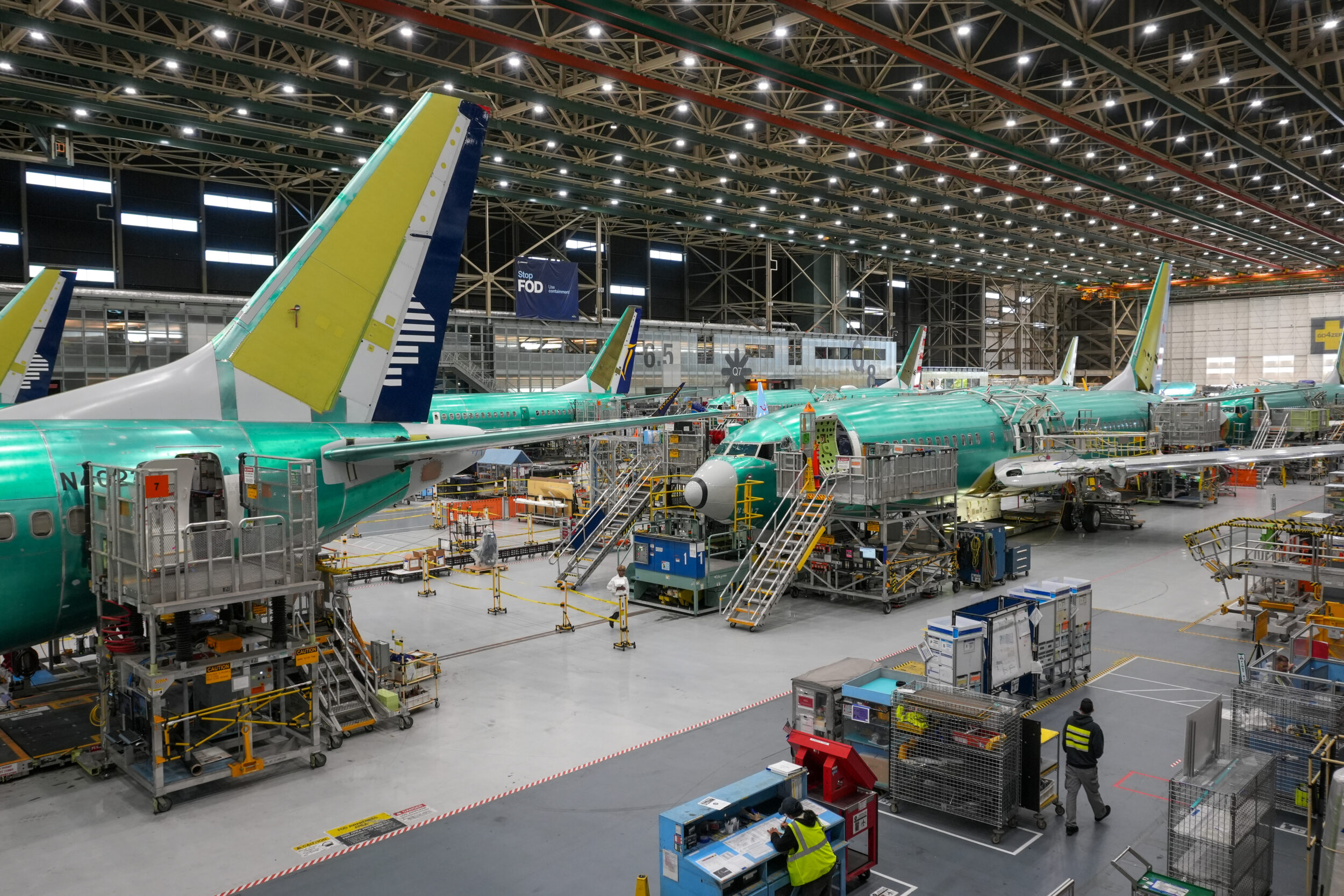
Boeing's return to a 47-aircraft-per-month production rate on the 737 program represents a meaningful inflection point in the manufacturer's multi-year recovery effort. Chief Executive Kelly Ortberg confirmed at a Bernstein investor conference that the company has passed a capstone regulatory review — almost certainly conducted by the Federal Aviation Administration — clearing the path for that summer production milestone. Subsequent rate increases are being planned on roughly six-month intervals, a cadence designed to rebuild the financial throughput that Boeing's 737 program, its primary cash generator, must eventually provide to stabilize the company's balance sheet. The 787 Widebody program is similarly targeted for output expansion, though the article's paywall limits detailed disclosure of the specific milestones and timelines attached to that jet.
The regulatory dimension of these rate hikes carries particular weight for pilots and operators. Boeing's production slowdowns were not simply self-imposed efficiency corrections; they followed two fatal 737 Max crashes, a mid-air door plug blowout on an Alaska Airlines Max 9 in January 2024, and sustained scrutiny from the FAA that placed formal constraints on how quickly Boeing could increase output. The capstone review process signals that the FAA has evaluated Boeing's quality management systems against agreed-upon benchmarks before authorizing acceleration. For airline operators managing fleet planning decisions, the distinction matters: deliveries coming off a production line operating under active regulatory surveillance carry different due-diligence considerations than those produced under normalized oversight. Ortberg's stated confidence that there are no near-term supplier constraints worth flagging is meaningful, given how exposed Boeing has historically been to bottlenecks in the narrow-body supply chain, particularly around engines and fuselage sections.
A notable operational detail in the article is Boeing's parts stockpile — inventory accumulated during the years of mandated production slowdowns — which is now functioning as a supply chain buffer. This is an ironic dividend of Boeing's crisis period: while Airbus is currently experiencing delivery delays on its A320neo family due to supplier strains across the European aerospace industrial base, Boeing enters its ramp-up phase with excess inventory on hand, reducing the immediate risk of the component shortages that have historically caused production stoppages. For corporate flight departments and Part 135 operators evaluating used versus new aircraft procurement, this dynamic has downstream implications for secondary market pricing on both narrow-body and widebody platforms as new deliveries begin flowing more consistently to airline customers.
The broader context for working pilots and operators is that Boeing's production recovery trajectory directly affects aircraft availability, maintenance parts supply, and fleet renewal timelines across commercial and business aviation segments. Airlines with large 737 Max orderbooks — particularly those operating under capacity-constrained schedules — have been waiting years for deliveries that were repeatedly deferred. A credible ramp to 47 per month and beyond would begin to clear a substantial backlog. For business aviation operators flying BBJ variants or monitoring the used narrowbody market, increased new-aircraft supply will eventually exert downward pressure on values of aging 737 NG and early Max aircraft. The 787 ramp similarly matters to long-haul charter and ACMI operators, as widebody availability has remained tight globally since the pandemic recovery compressed supply while demand rebounded sharply.
Ortberg's tenure represents a deliberate cultural and operational reset at Boeing, and the Bernstein conference remarks are calibrated to rebuild investor and customer confidence simultaneously. The planemaker still carries enormous debt — reportedly over $50 billion — and the 737 and 787 production ramps are not optional; they are existential financial requirements. For pilots flying Boeing equipment, the pace at which the company rebuilds manufacturing discipline and regulatory standing will ultimately determine how quickly the post-crisis fleet renewal cycle proceeds, how robustly the spare parts ecosystem is supported, and whether Boeing can sustain the engineering investment necessary to keep its aircraft competitive against Airbus platforms that have continued to capture market share throughout Boeing's difficulties.