Crossroads, Interrupted - AskThePilot.com
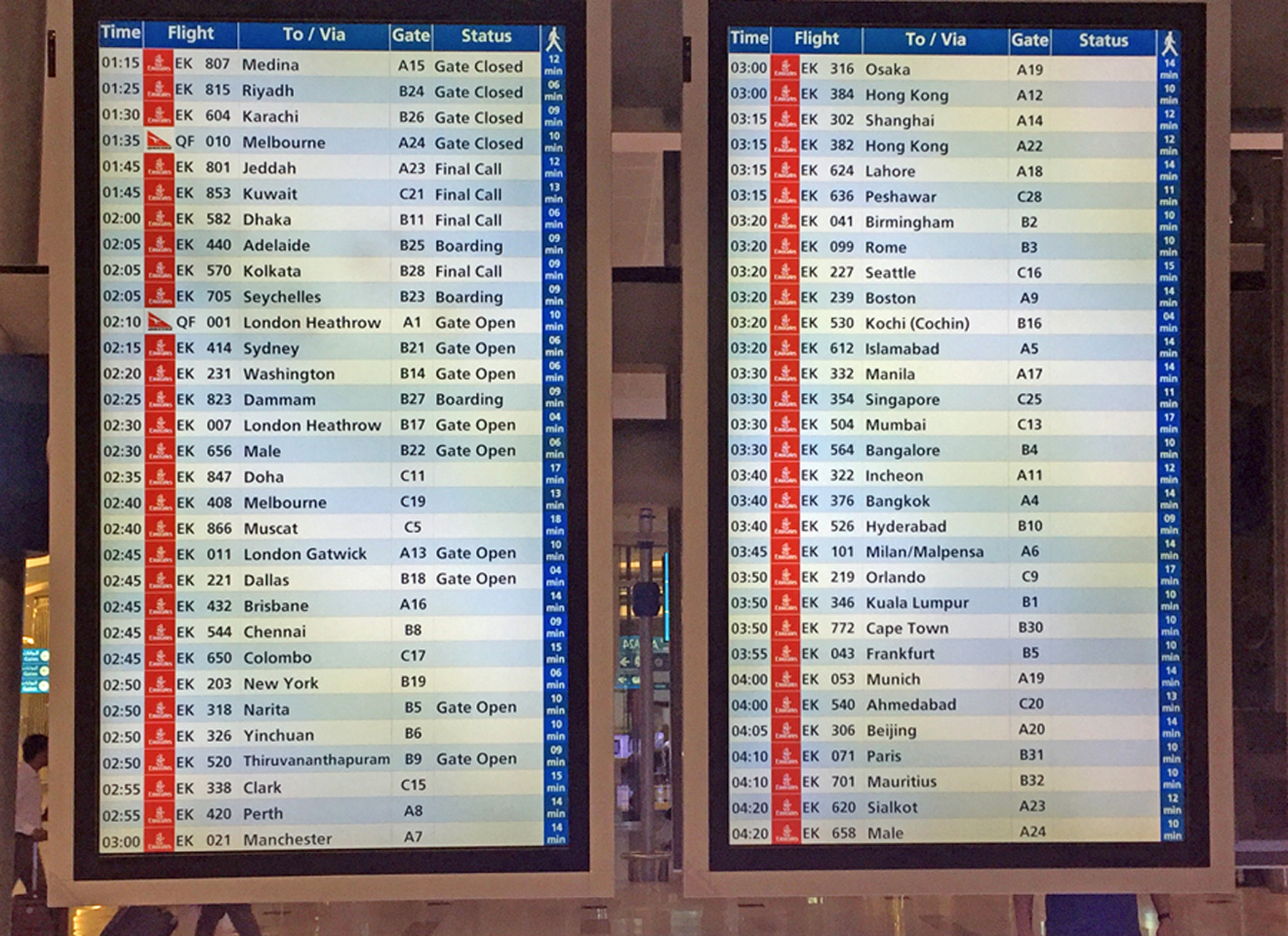
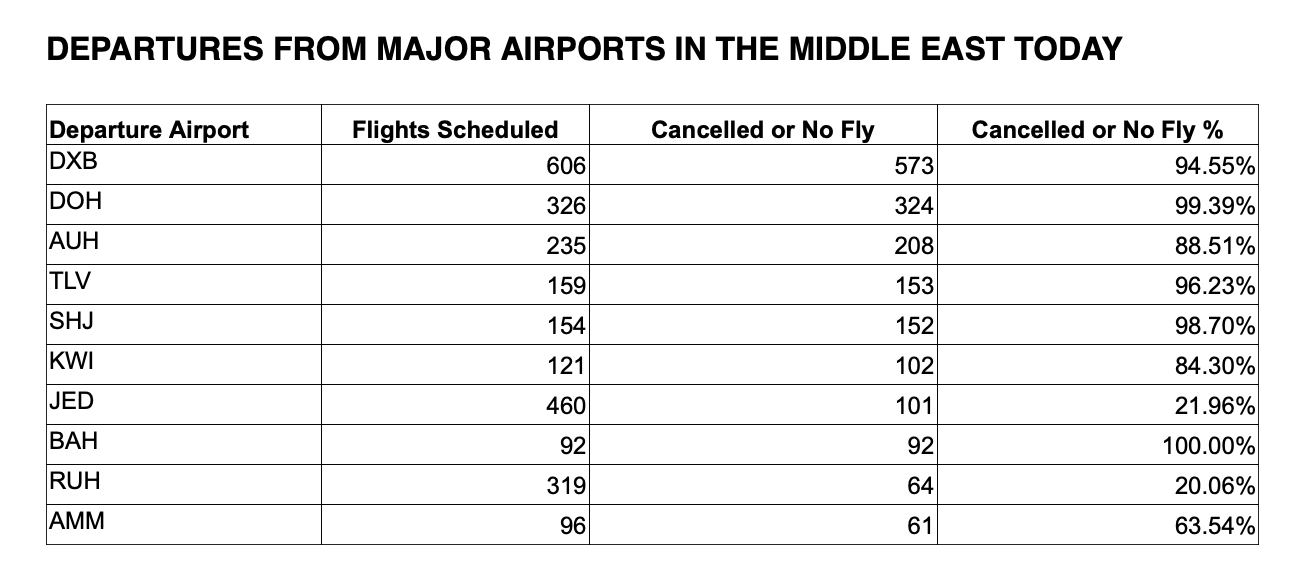
A sudden conflict with Iran in early March 2026 brought Persian Gulf air traffic to a near-complete standstill, with Emirates, Qatar Airways, and Etihad — collectively known as the ME3 or G3 — each seeing more than 90 percent of their operations curtailed. The closure effectively shut down the world's most consequential aviation crossroads: the hub airports of Dubai International (DXB), Hamad International in Doha, and Abu Dhabi's Zayed International together process approximately 182 million passengers annually, connecting six continents across routes that span every major ocean. Hundreds of thousands of travelers were stranded almost immediately, illustrating the extraordinary volume of humanity that moves through this narrow geographic corridor on any given day. The disruption, documented and analyzed by aviation writer Patrick Smith on AskThePilot.com, underscores a vulnerability that has long existed beneath the surface of the Gulf carriers' remarkable commercial success.
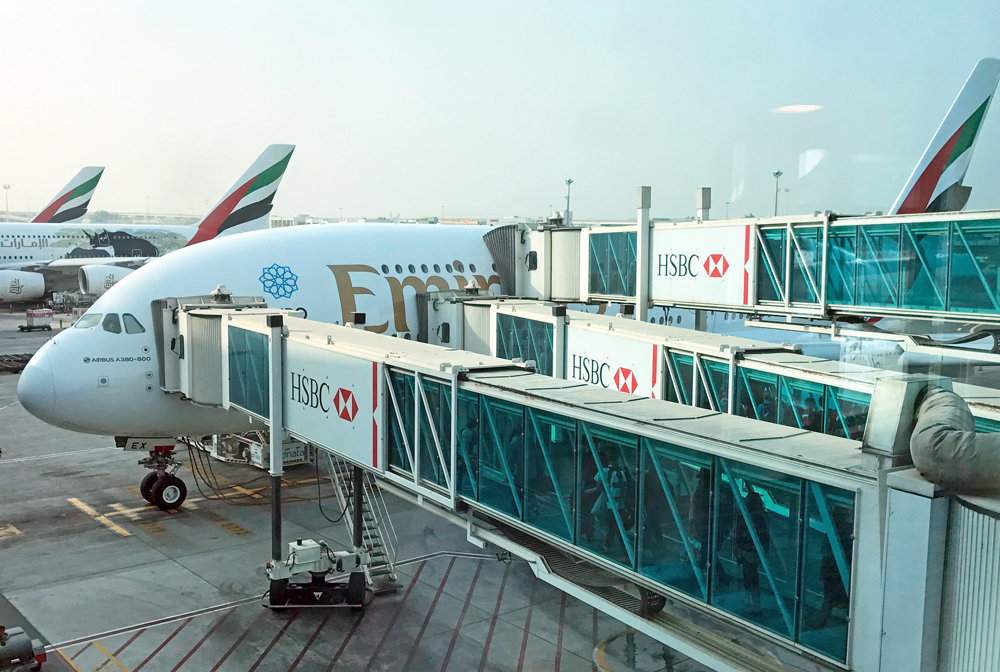
The ME3 built their networks by capitalizing on a geographic reality that no amount of airline strategy can replicate: the Persian Gulf sits at the precise midpoint between the world's largest population centers, making one-stop connections between Europe, Africa, South Asia, Southeast Asia, and East Asia both efficient and commercially compelling. Emirates alone operates more than 50 Airbus A380s and dozens of Boeing 777s out of Dubai, a lineup that has no parallel in aviation history. That network density, built over roughly three decades through aggressive government investment in infrastructure and carrier capitalization, is what makes the current disruption so consequential — it is not merely a regional airline problem but a global connectivity crisis. The rapidity with which 182 million annual passenger-movements can be frozen illustrates precisely how tightly integrated and geographically concentrated the world's long-haul routing infrastructure has become.
For airline operators and professional crews worldwide, the immediate operational consequences are significant and multifaceted. Long-haul routes connecting Europe with South and Southeast Asia that traditionally transited Dubai, Doha, or Abu Dhabi must now be rerouted or cancelled entirely, creating demand pressure on alternative hubs such as Istanbul, Singapore, London Heathrow, and Hong Kong. Airlines positioned along those alternative corridors — Turkish Airlines, Singapore Airlines, Cathay Pacific — stand to absorb substantial diverted traffic, though absorbing the volume that moved through the Gulf on a daily basis would test the capacity of any single alternate hub. For Part 121 operators and corporate flight departments operating transoceanic routes through the affected FIRs, airspace closure and NOTAM complexity add immediate route planning burdens, with crews and dispatchers required to recalculate fuel loads, alternate airports, and overflight clearances across a broad swathe of the Middle East and Indian Ocean region.
The disruption also surfaces a long-running structural debate within commercial aviation about government investment, subsidy, and competitive fairness. Smith's commentary acknowledges the legitimacy of legacy carrier complaints about Gulf state subsidization while simultaneously pointing to the U.S. domestic failure to invest meaningfully in aviation infrastructure — aging airports, dysfunctional security processes, and an inhospitable connecting passenger experience. That argument carries operational relevance for corporate and business aviation as well: the relative ease with which international business travelers have routed through DXB or DOH, versus the friction encountered at major U.S. connecting hubs, has shaped corporate travel patterns and fleet planning decisions for over a decade. A prolonged Gulf closure could accelerate reconsideration of those patterns.
The broader trend this event illuminates is the systemic fragility embedded in geographic concentration of global aviation infrastructure. The post-9/11 era, the COVID-19 pandemic, and now this conflict each demonstrated that the efficiency gains from hub consolidation carry corresponding systemic risk. For aviation operators across every segment — airline, charter, corporate — the Gulf crisis reinforces the operational planning imperative of maintaining contingency routing options, understanding FIR-level geopolitical exposure, and stress-testing long-range mission profiles against scenarios in which major transit regions become inaccessible without warning. The ME3 carriers possess the financial reserves to survive an extended disruption, but the longer-term question of whether the Gulf's geographic advantage can be exercised free of geopolitical volatility is one the industry has never fully resolved.










 Read original article