Let the Stories Be Told - AskThePilot.com
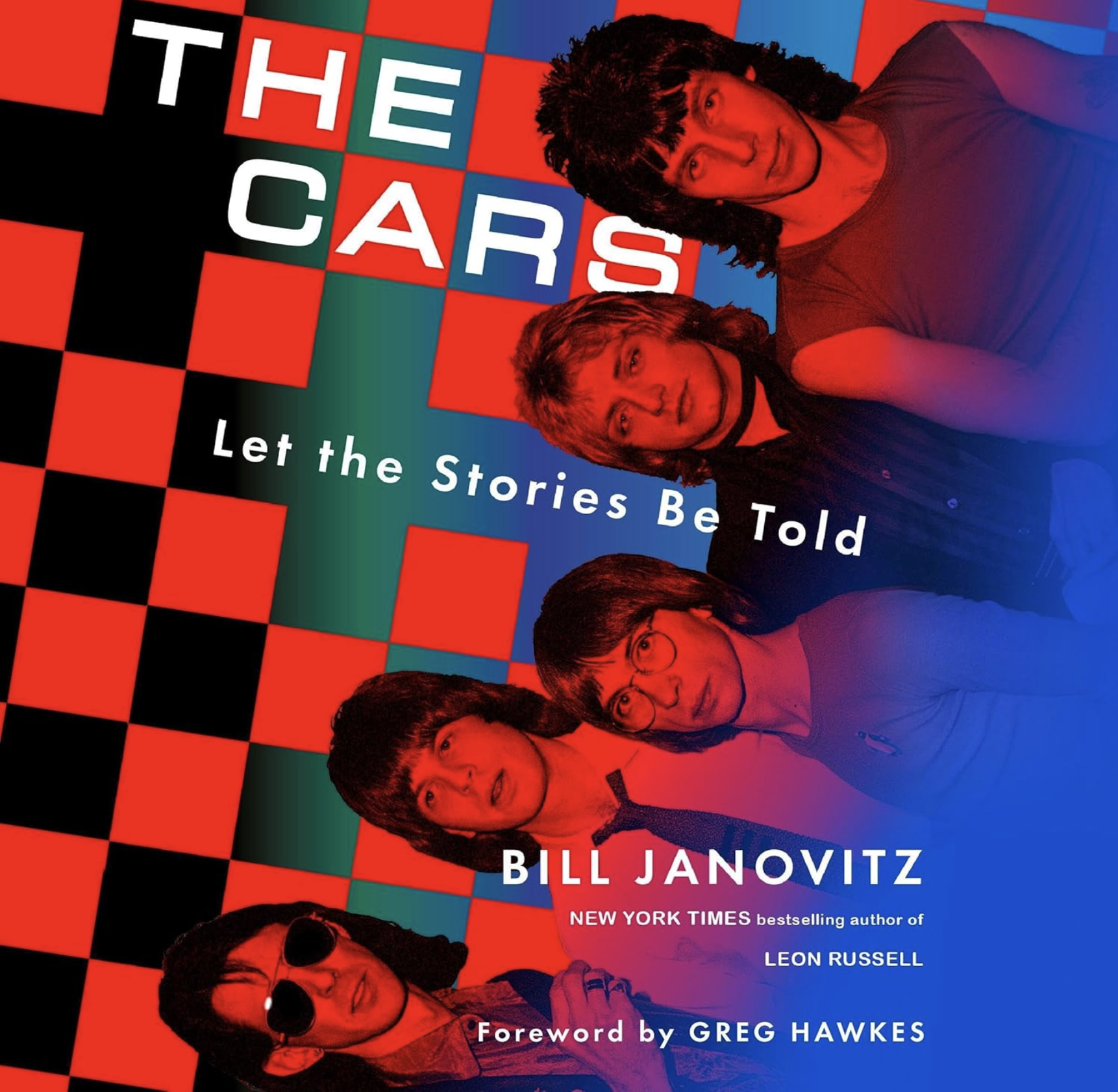
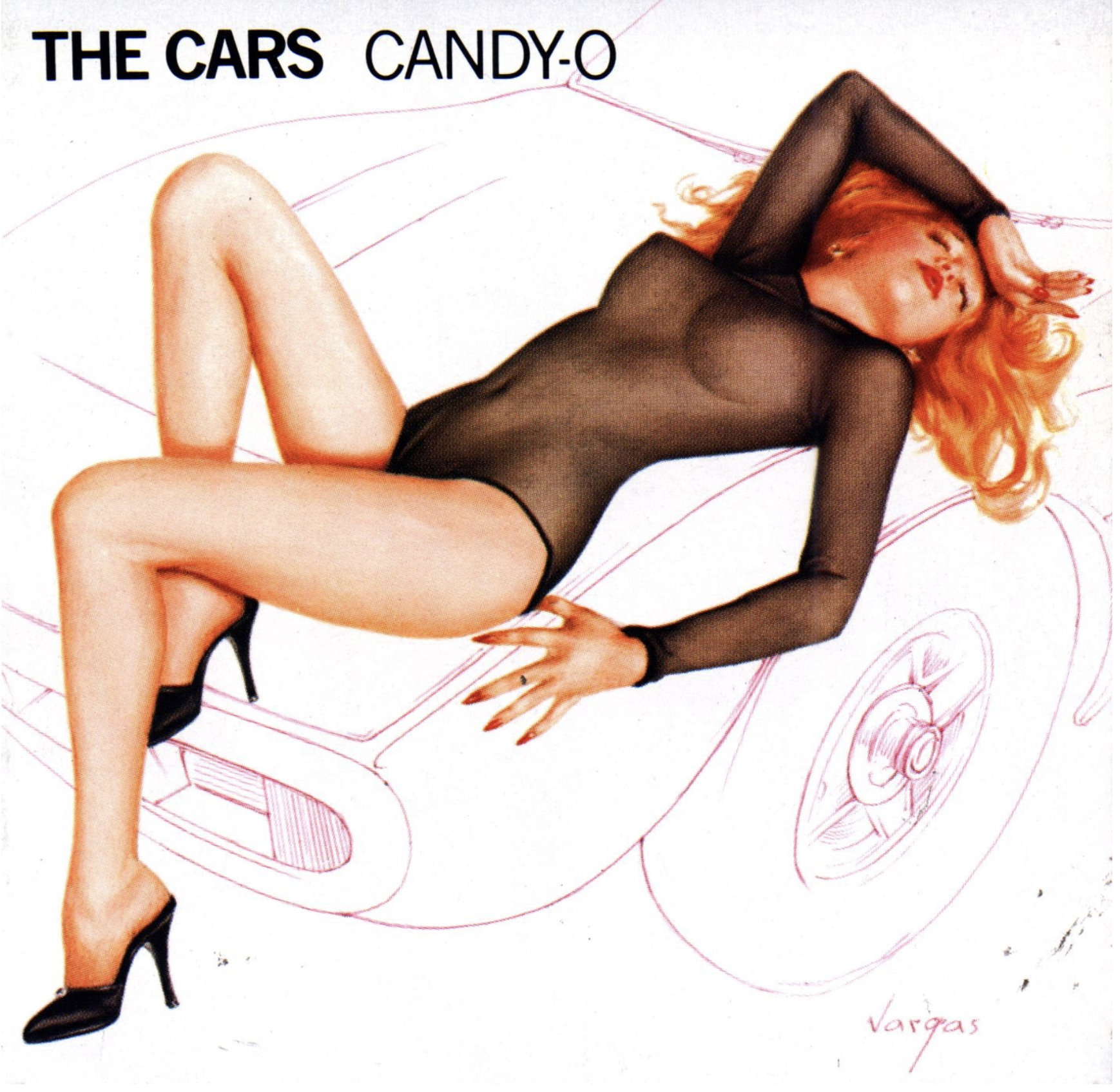
Patrick Smith, the commercial airline pilot and aviation writer behind AskThePilot.com, periodically publishes what he labels "Music Diversion" pieces alongside his primary body of work on aviation culture, safety, and professional flying life. This April 2026 entry is one such departure — a personal retrospective prompted by Bill Janovitz's 2024 biography *The Cars: Let the Stories be Told*, a comprehensive account of the Boston-based rock band whose first two albums, the self-titled 1978 debut and 1979's *Candy-O*, Smith identifies as formative listening during his high school years in the early 1980s. The essay is memoir as much as book review: Smith traces his teenage obsession with the Cars through cassette tape recordings, desk graffiti at St. John's Prep, and brief encounters with lead singer Ric Ocasek at a Boston record shop, drawing an arc from adolescent listening to the more nuanced re-engagement that Janovitz's research prompted decades later.
The review itself is largely favorable. Smith credits Janovitz — himself a Boston musician and therefore, in Smith's view, the only appropriate author for the project — with producing a work that is exhaustive and painstakingly researched without becoming the kind of bloated, unreadable music biography that runs to 650 pages and loses the reader in minutiae. Smith notes that reading the book sent him back to the recordings with fresh ears, specifically calling out guitarist Elliot Easton's technically accomplished solos and a bass figure at the opening of "Bye Bye Love" that had never registered consciously in his youth. He also acknowledges the Velvet Underground reference embedded in Ben Orr's vocal phrasing in "Just What I Needed" — the sort of musicological detail that, as he concedes, would have been entirely lost on a fifteen-year-old listener. Both Ocasek and Orr are deceased; Smith notes that the three surviving band members contributed generously to Janovitz's research.
For readers of AskThePilot.com who follow Smith primarily for aviation content, this essay represents a recurring and intentional aspect of his editorial identity. Since the site's origins as a 2002 Salon.com column, Smith has positioned himself not merely as a technical explainer but as a writer with a broad cultural life — someone whose professional identity as a pilot coexists with serious engagement with music, literature, and memory. This matters in the context of aviation communication because Smith's credibility as an industry commentator derives in part from his willingness to present himself as a fully formed person rather than a spokesperson for the profession. Pieces like this one, which carry no aviation content whatsoever, reinforce reader trust in his aviation writing by demonstrating that his voice is genuine and his range is real.
The broader implication for aviation professionals who follow aviation media and commentary is that the most durable aviation communicators — Smith being among the most prominent independent voices in the space — maintain their audience by humanizing the profession over time, not by restricting output to technical or regulatory content. In an era when airline and business aviation operators are increasingly attentive to public perception, crew communication, and the cultural narratives surrounding flying, writers like Smith serve as an informal bridge between the cockpit and the traveling public. His willingness to publish a fully personal music essay under the AskThePilot.com banner, without apology or explanation, reflects a mature editorial confidence that has sustained his readership across more than two decades.









 Read original article