American Airlines' New Basic Economy Rules Even Punish Its Top-Tier Frequent Flyers
American Airlines has completed a two-phase restructuring of its Basic Economy product that fundamentally severs the longstanding relationship between low-fare purchasing and elite status benefits. The first phase, implemented in December 2025, eliminated all mileage accrual on Basic Economy tickets — meaning passengers booking those fares earn zero redeemable AAdvantage miles, zero Loyalty Points, and no credit toward elite qualification. The second phase took effect in May 2026 and removed elite seat selection and upgrade eligibility from Basic Economy fares entirely, regardless of status tier. Passengers who previously absorbed the restrictions of cheap fares because their Platinum Pro or Executive Platinum status still guaranteed preferred seating and upgrade access now face either paying additional per-segment fees ranging from roughly $15 to $75, or accepting random seat assignments at check-in. Most significantly, even Executive Platinum Systemwide Upgrade certificates — among the most coveted instruments in the AAdvantage program — can no longer be applied to Basic Economy tickets under any circumstances.
For professional pilots and aviation operators, these changes carry practical significance beyond leisure travel. Airline pilots who commute on their own carrier frequently book discounted fares as a cost-saving measure, and many have historically relied on elite status to ensure seat access and positioning reliability. A commuter holding Executive Platinum status and booking Basic Economy to deadhead or commute now faces the same randomized seating experience as a first-time passenger — a meaningful operational inconvenience when specific connections or rest requirements are involved. Corporate flight department schedulers and Part 135 operators who occasionally move crews commercially for aircraft positioning also book to cost, and the new rules change the calculus of whether saving $50 to $100 on a fare is worth losing confirmed seating or upgrade access on a time-sensitive trip. The fee exposure per segment compounds quickly across a crew or across a month of positioning flights.
The extension of these restrictions to oneworld alliance elites — including status holders from Qantas, Cathay Pacific, Qatar Airways, and Japan Airlines — introduces an additional layer of complexity for international operators and crews. Alliance reciprocity has historically functioned as a reliable baseline, allowing status holders to expect consistent treatment across partner carriers regardless of point of origin. That expectation now breaks down at the fare class level, which may catch international crew members or corporate travelers off guard, particularly those accustomed to domestic U.S. itineraries through alliance metal connections. The confusion risk is real: a Qantas Gold member booking American Airlines domestic segments as part of a longer international itinerary may arrive at the booking process assuming standard elite privileges, only to discover mid-process that the Basic Economy fare class has stripped those benefits.
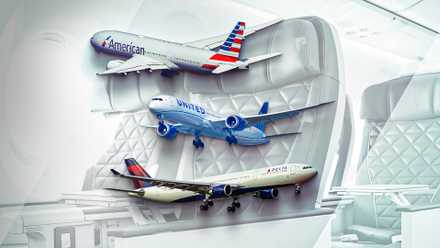
The broader industry trend these changes reflect is one of deliberate fare-class compartmentalization, a strategy United and Delta have pursued aggressively for several years. Both carriers previously restricted Basic Economy in ways that made American's comparatively generous approach a competitive differentiator, particularly among premium frequent flyers who wanted cheap fare access without sacrificing status utility. American is now closing that gap, signaling that the earlier generosity was likely a deliberate retention tool during a period of competitive pressure — and that the airline now believes its loyalty program is strong enough to push elite members toward higher fare classes rather than subsidize their discount purchases. For aviation operators managing travel budgets, the practical takeaway is straightforward: Basic Economy on American Airlines no longer functions as a status-buffered discount option. It is now a genuinely restricted product, and the total cost calculation for any flight involving seat requirements or upgrade potential must now account for fare class at the point of booking rather than assuming status will compensate afterward.















 Read original article