Airbus' $445 Million Superjumbo Was Worth Less Than Its Landing Gear By 2020
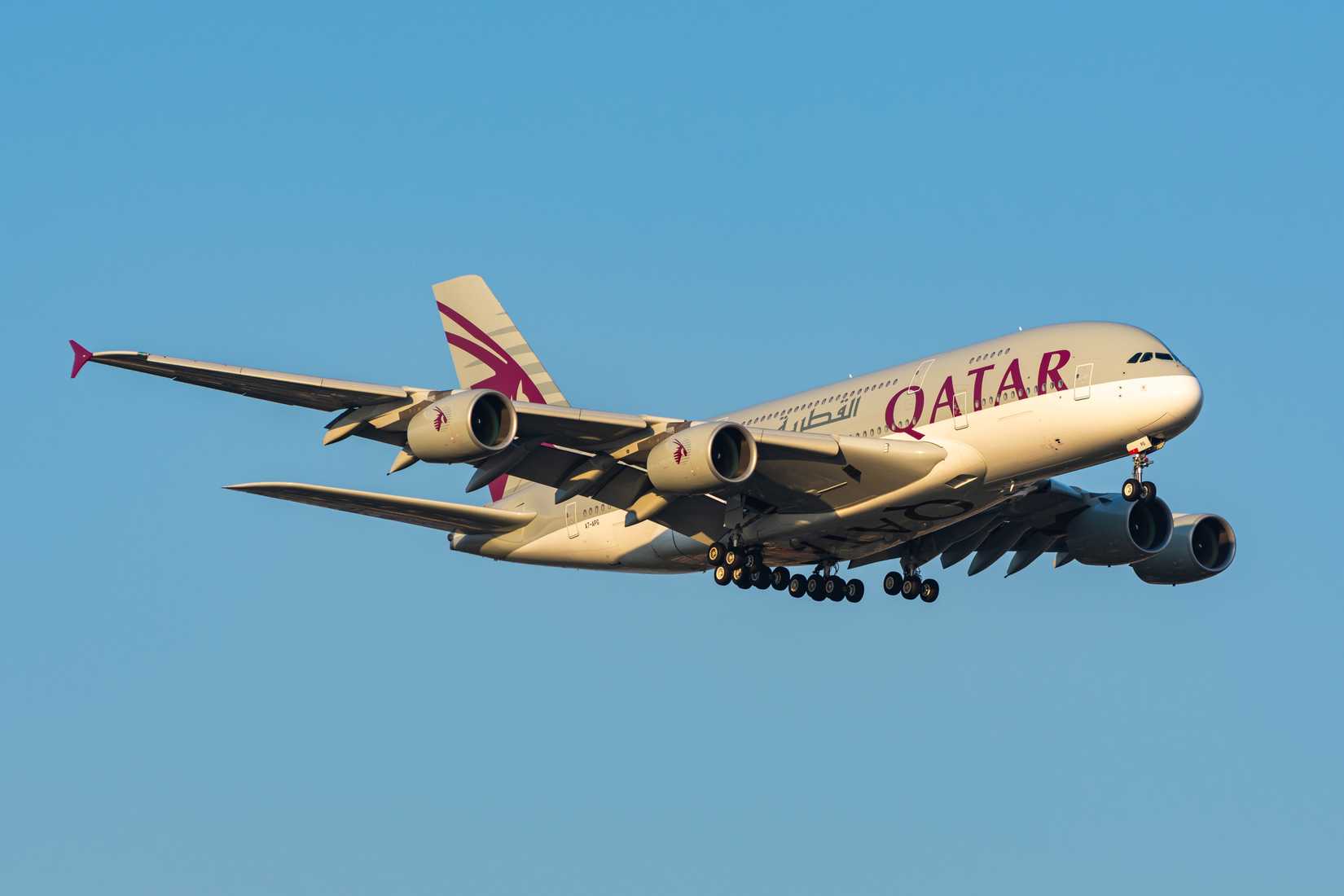
The Airbus A380's financial collapse from a $445.6 million list price to near-salvage valuation by 2020 represents one of the most dramatic asset depreciation stories in commercial aviation history, and its trajectory offers a cautionary lesson about how fleet planning decisions interact with technological disruption and macroeconomic shocks. While airlines rarely paid full list price — negotiated acquisition costs ran closer to $250–300 million per airframe — operators still watched their A380s shed as much as 75% of purchase value before the pandemic even began. By the time COVID-19 grounded fleets globally in 2020, market appraisals for aircraft approaching the 12-year mark had fallen to the $75–100 million range, a figure reportedly below the residual value of the landing gear assemblies alone. That single data point encapsulates how thoroughly the A380's economic narrative had unraveled.
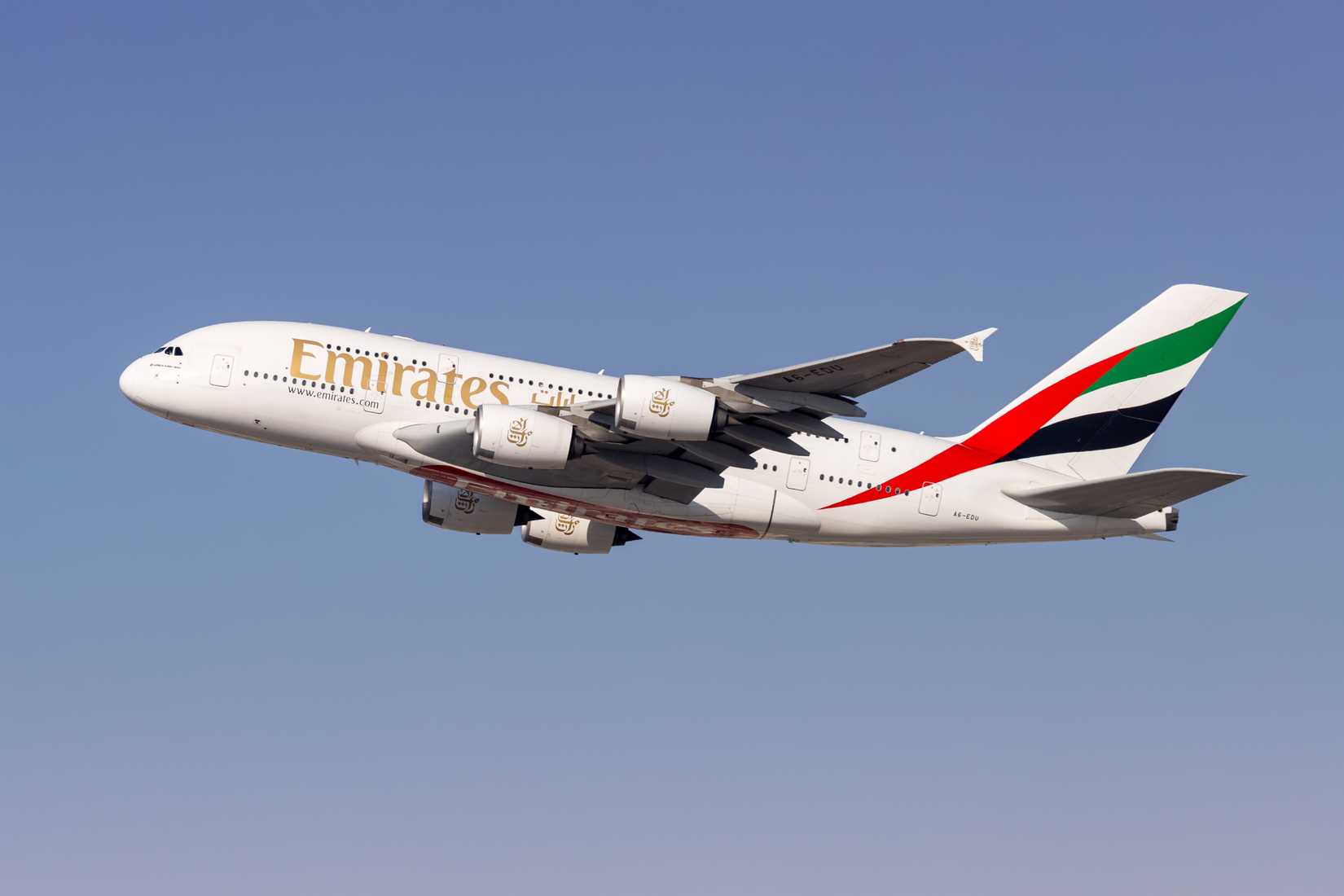
The aircraft's structural problems predated any pandemic and were baked into the program's foundational assumptions. Airbus designed the A380 around a hub-and-spoke congestion thesis — that slot-constrained mega-airports would force carriers toward ever-larger aircraft to move volume — but the industry pivoted decisively toward point-to-point efficiency before the type ever matured commercially. The Boeing 777's extended-range variants and the composite-airframe Boeing 787 Dreamliner arrived to fill the same long-haul markets with dramatically lower seat-mile costs and far greater route flexibility. Aviation economist Peter Morris of Ascend by Cirium noted that the A380's core technology was effectively frozen at a 1980s baseline, preceding the step-change represented by carbon composite structures and high-bypass ratio engines. By 2019, Airbus was delivering just eight A380s annually and absorbing €202 million in annual program losses — metrics that made Emirates' February 2019 cancellation of 39 orders an existential event. Production wind-down was announced immediately, and the final of 251 total airframes was delivered to Emirates in late 2021.
For airline fleet planners and operators, the A380's depreciation curve is a live case study in residual value risk management. The type's four-engine configuration, massive maximum takeoff weight of up to 575 metric tons, and fuel consumption profile — running on technology that preceded modern high-bypass turbofan efficiency — made it acutely vulnerable once twin-engine alternatives with ETOPS authorization matured. Airlines that held large A380 fleets entered the pandemic carrying assets that had become difficult to redeploy, sublease, or sell, compounding cash flow pressures at the worst possible moment. The limited secondary market for a specialized, high-operating-cost aircraft with a discontinued production line meant that part-out — stripping airframes for components and engines — became more economically rational than continued operation or sale for many operators, which is precisely the dynamic that elevated landing gear values above airframe values.
The A380's story intersects directly with how professional pilots and aviation operators now think about fleet composition and aircraft selection at the Part 91, 135, and airline levels alike. The broader industry lesson reinforced by the type's collapse is that efficiency per seat mile, operational flexibility, and secondary market liquidity have become the dominant criteria in aircraft acquisition decisions — criteria that have accelerated adoption of the Boeing 787, Airbus A350, and next-generation narrowbodies like the A321XLR and 737 MAX 10 across both commercial and ACMI operators. The era of purpose-built ultra-high-capacity aircraft predicated on hub congestion assumptions has effectively closed, replaced by a paradigm in which range, fuel burn, and network versatility command the premium. For operators evaluating long-haul assets today, the A380's residual value trajectory serves as a standing reference point for the financial consequences of betting on a single market thesis that the broader industry ultimately rejected.










 Read original article