Welcome to "Hidden Airport" - AskThePilot.com
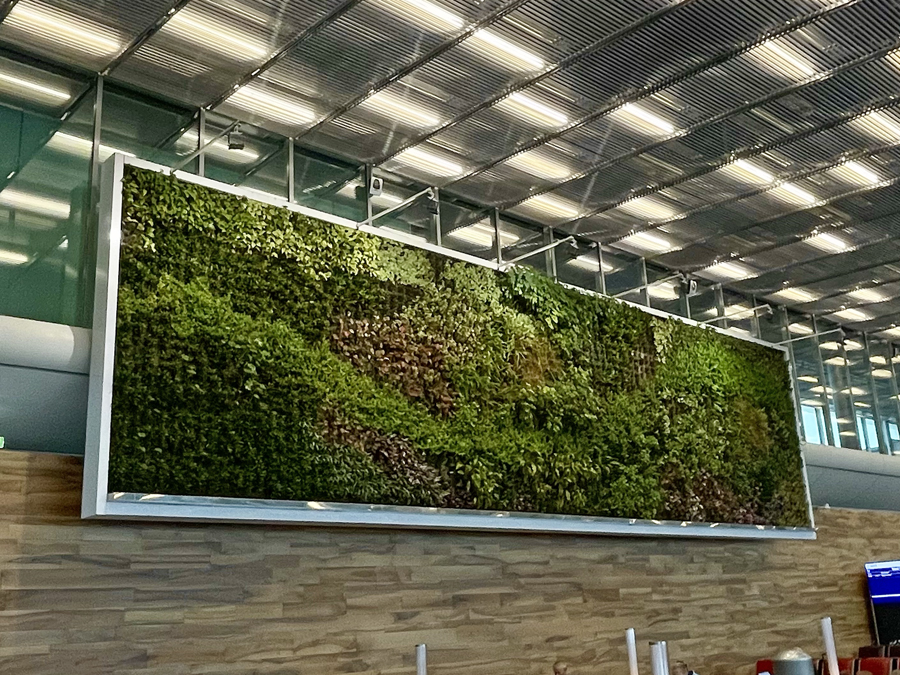
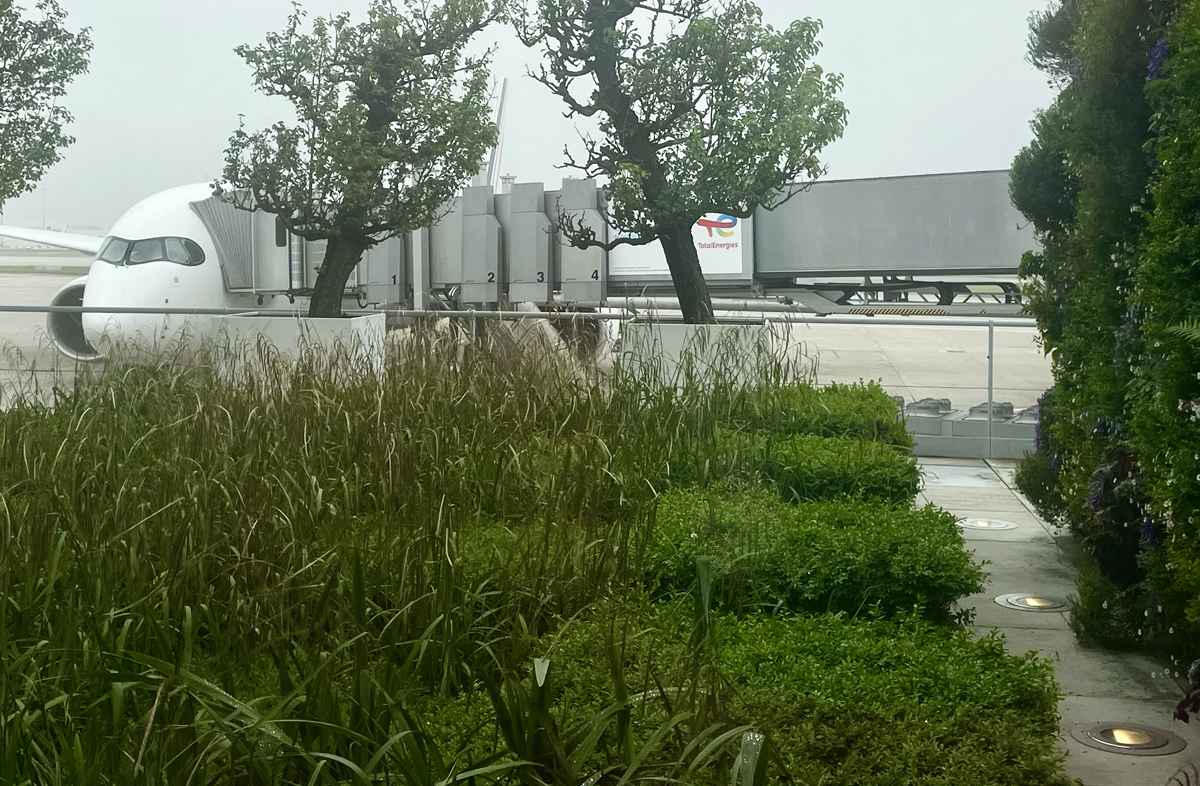
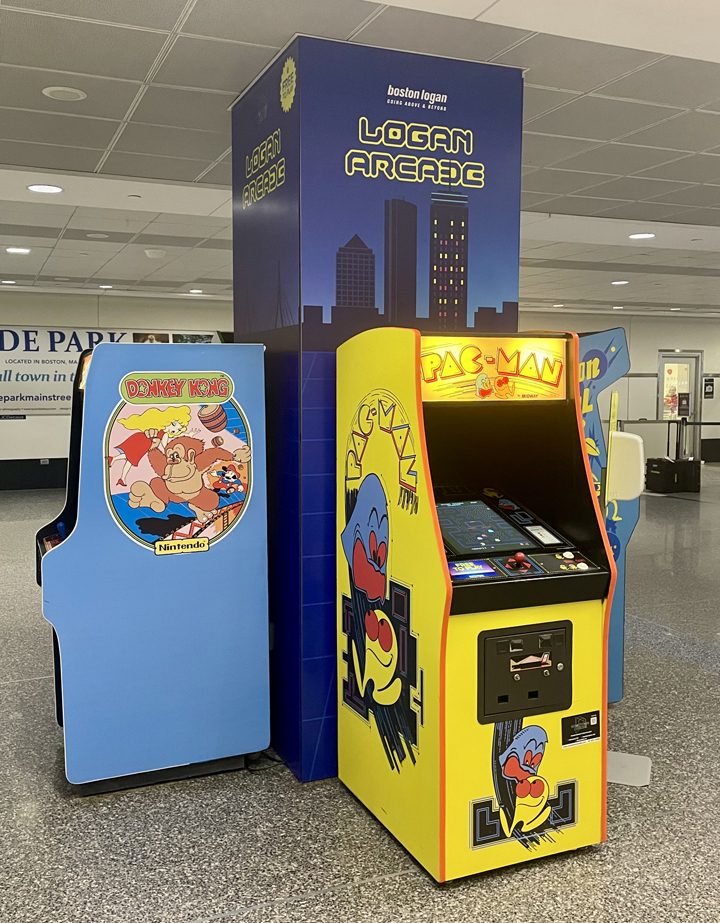
Patrick Smith, a commercial airline pilot and longtime aviation writer at AskThePilot.com, continues his "Hidden Airport" series with a global survey of unexpected amenities and design flourishes scattered across some of aviation's busiest and most storied terminals. The installment covers seven airports across four continents — Paris Charles de Gaulle, Amsterdam Schiphol, Boston Logan, Indianapolis International, John F. Kennedy International, Green Bay Austin Straubel, and Bangkok Suvarnabhumi — cataloguing features that range from living green walls and rooftop terrace gardens at CDG's S4 satellite concourse to an artificial grass lounging area in the new satellite terminal at Suvarnabhumi. Smith, who openly acknowledges airports as generally hostile environments, positions these findings not as comprehensive endorsements but as modest counterevidence: proof that individual terminals can still produce thoughtful, human-scale gestures even within systems optimized for throughput and revenue extraction.
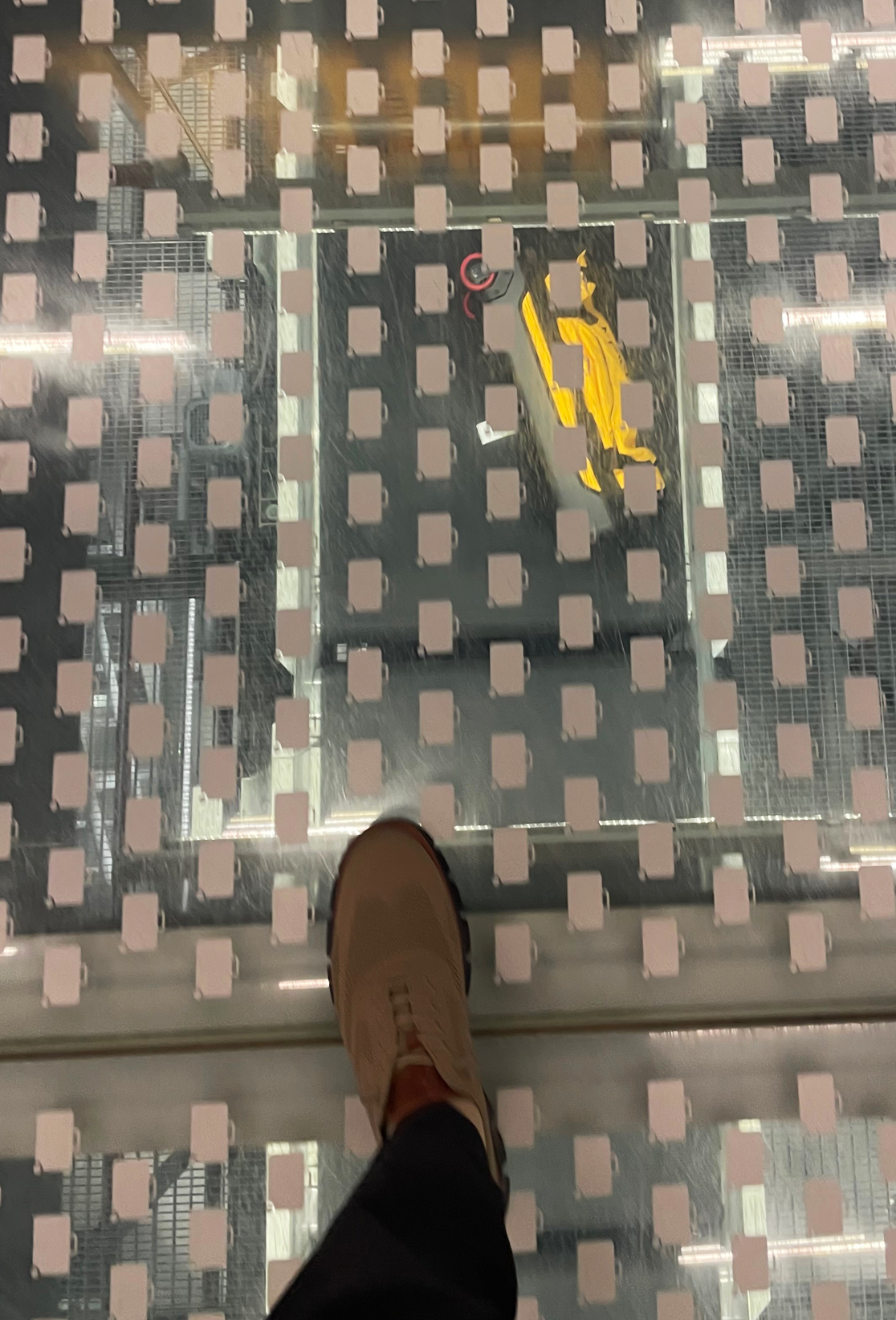
For professional pilots and aviation operators who log disproportionate time in terminals — deadheading crews, flight crews on extended ground holds, corporate flight departments positioning through hub airports — the operational relevance of this content is more than casual. Crew rest and cognitive recovery between duty periods are regulated concerns under FAA Part 117 and equivalent international frameworks, and terminal environments that reduce sensory load genuinely affect fatigue management. Smith's callout of CDG's S4 concourse greenery and Bangkok's artificial grass lounging zones reflects a broader biophilic design trend that airport planners have been explicitly studying since at least 2015, when the International Air Transport Association began incorporating wellness metrics into terminal design guidelines. The Schiphol baggage conveyor glass floor, meanwhile, is a long-standing example of Schiphol Airport's deliberate investment in what its own design team has called "passenger delight" — an ethos that consistently places the Amsterdam hub near the top of global airport satisfaction rankings and offers a useful benchmark for what terminal design can accomplish when operators treat the passenger (and crew) experience as a design priority rather than an afterthought.
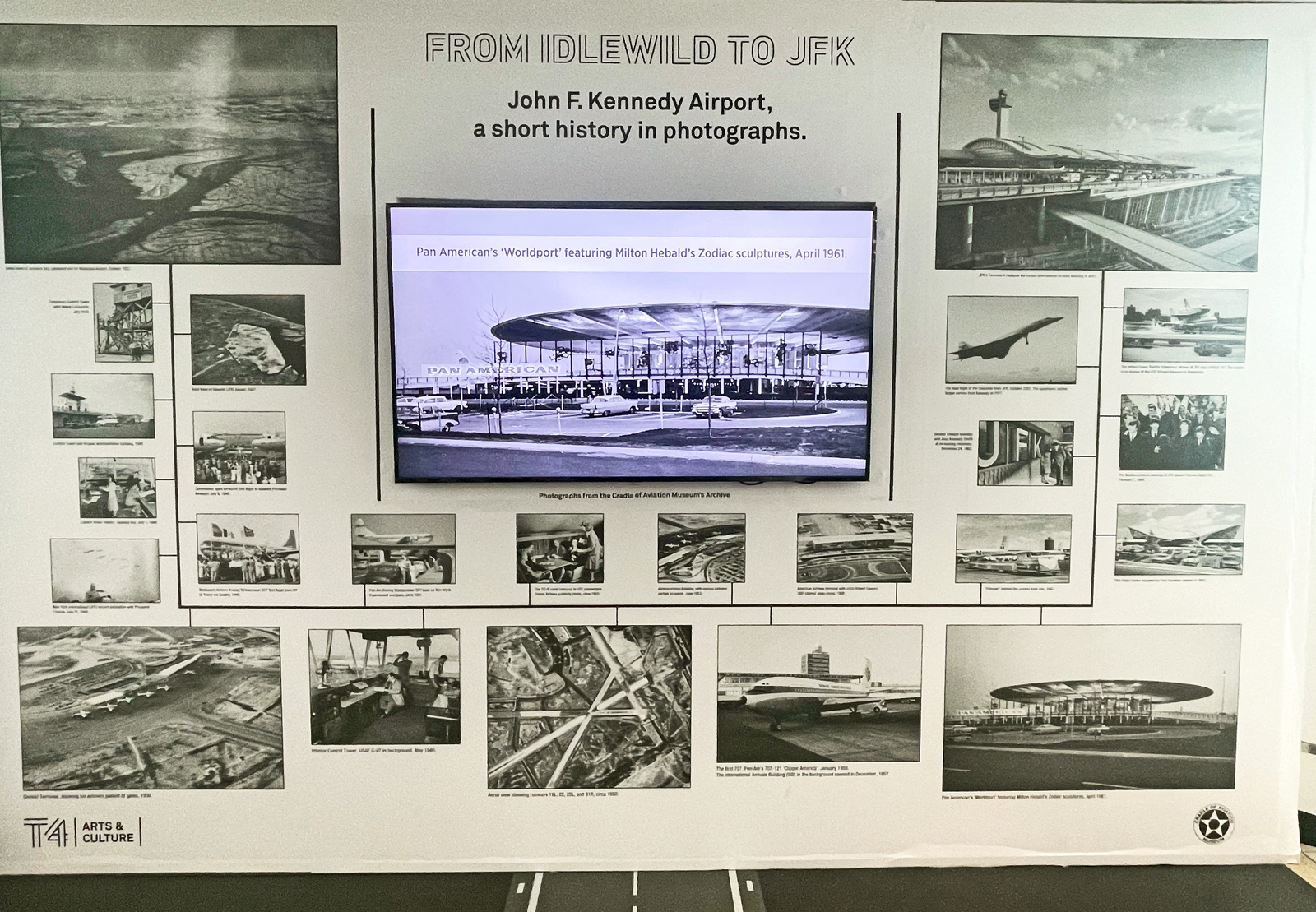
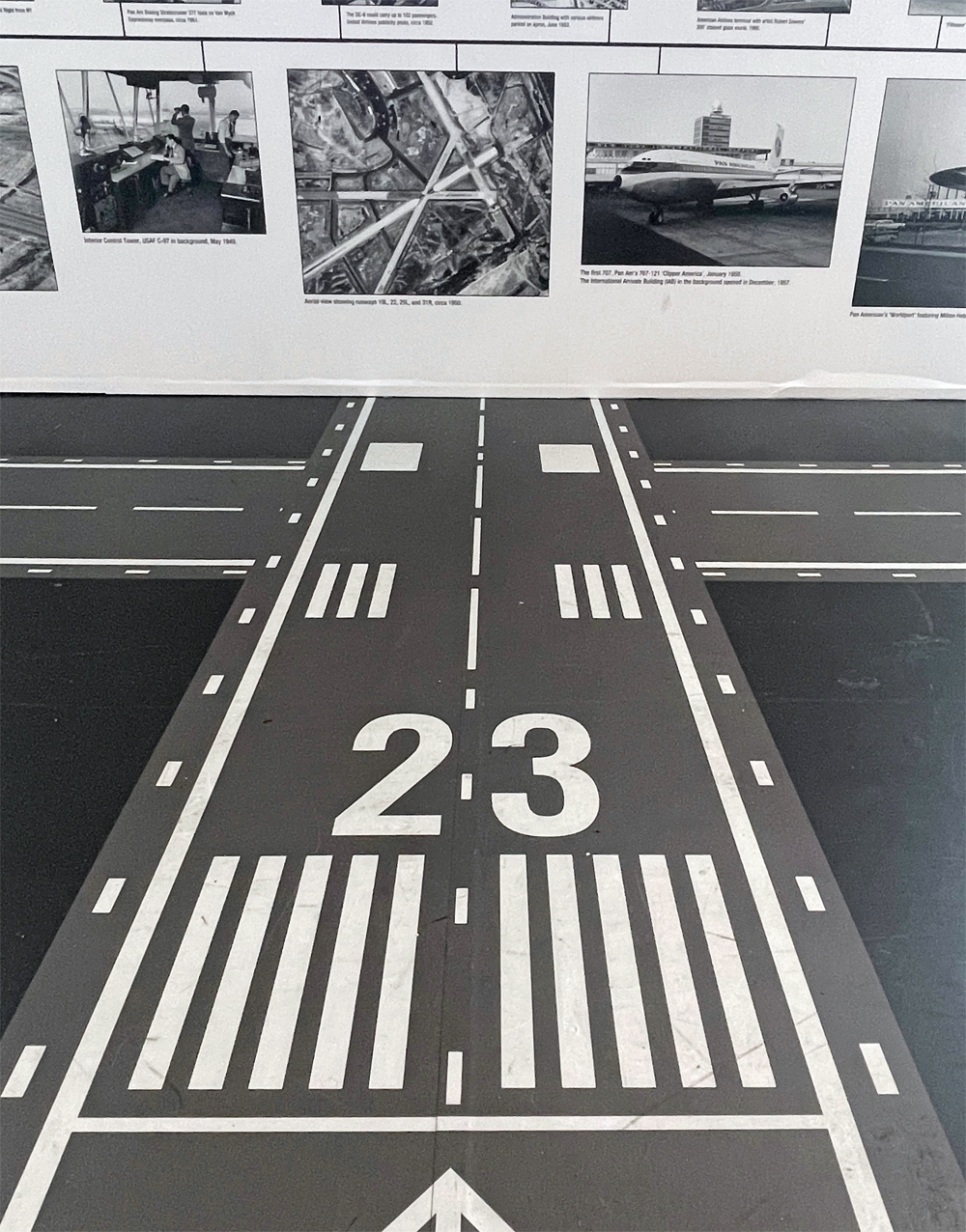
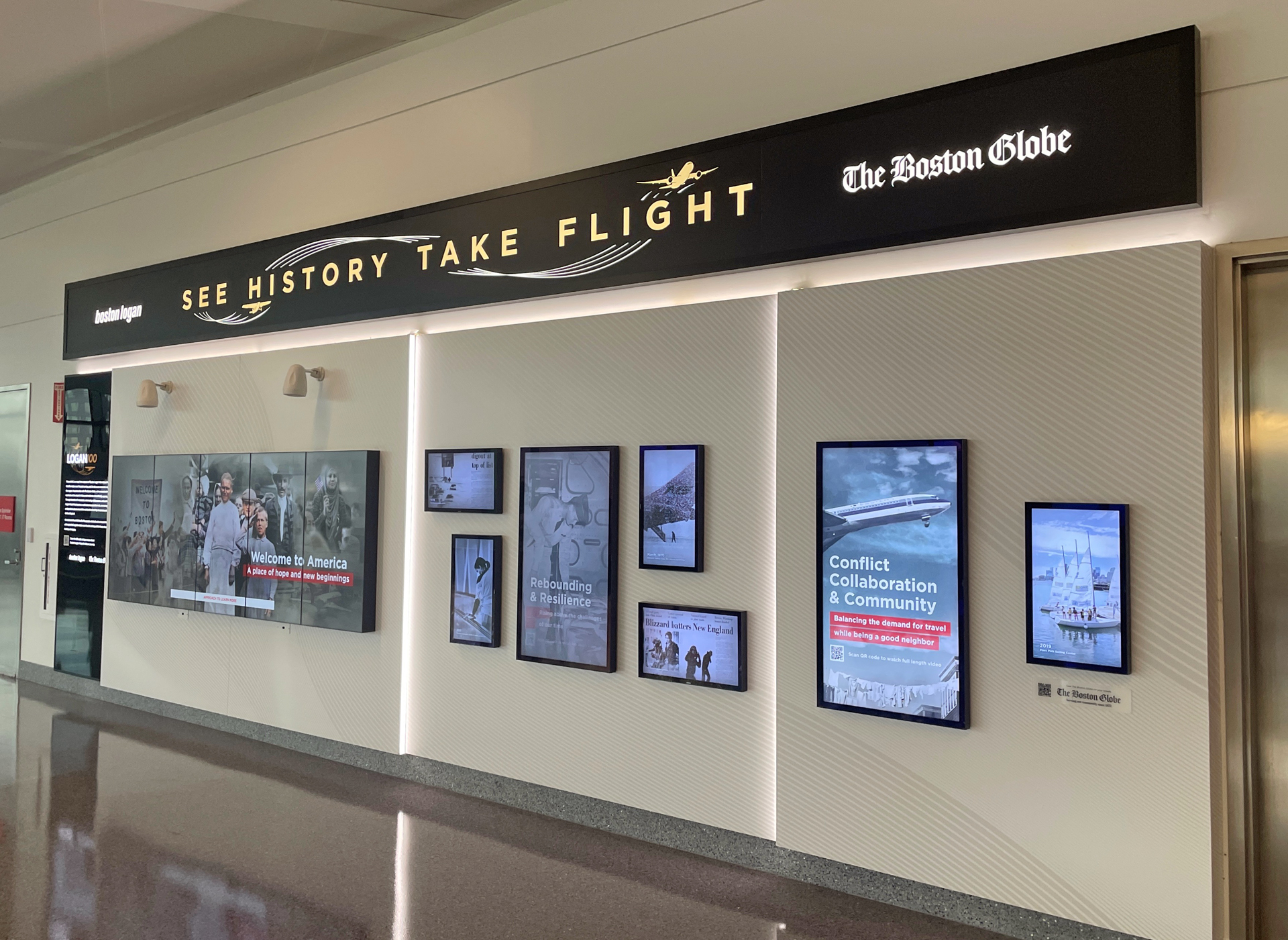
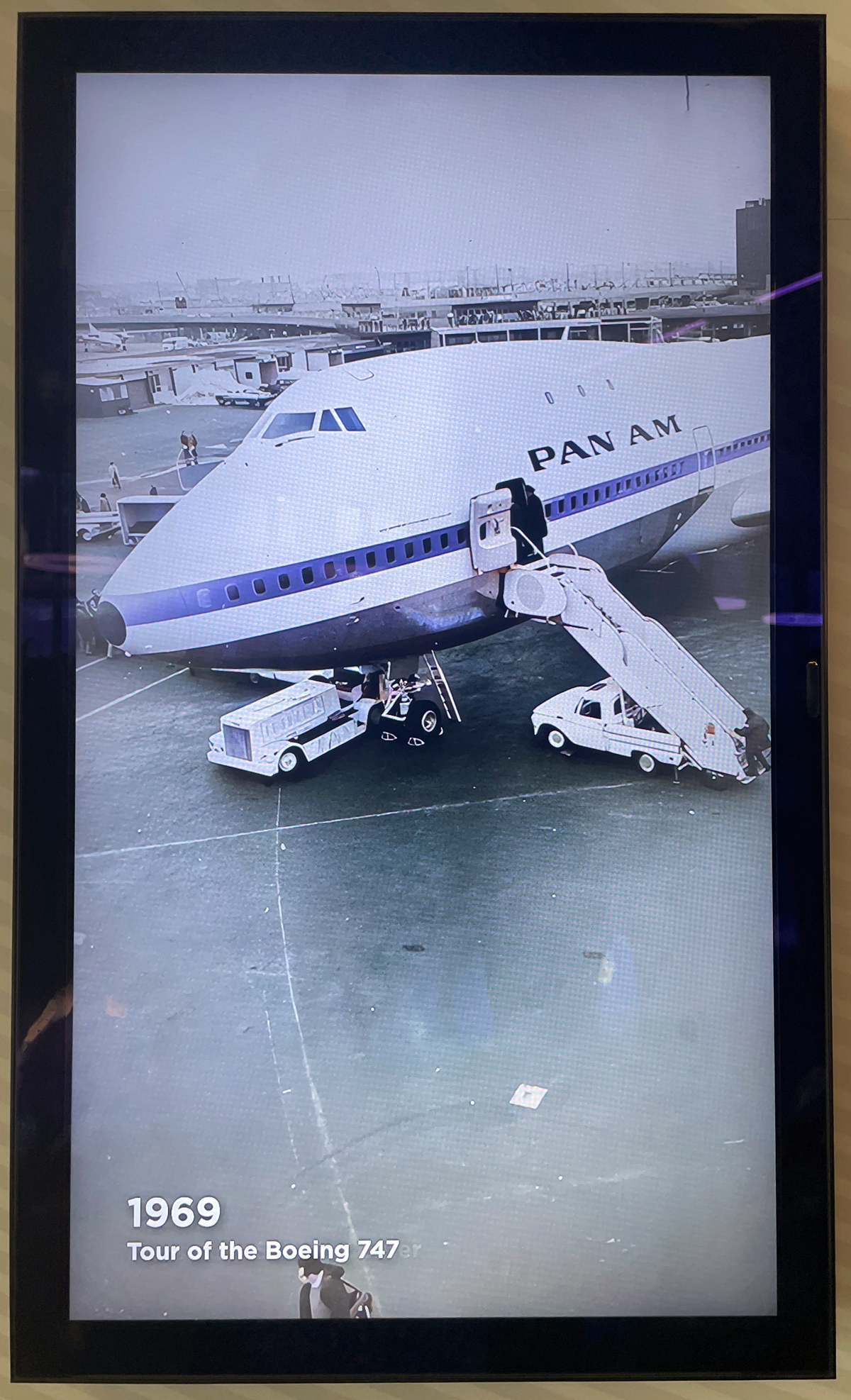
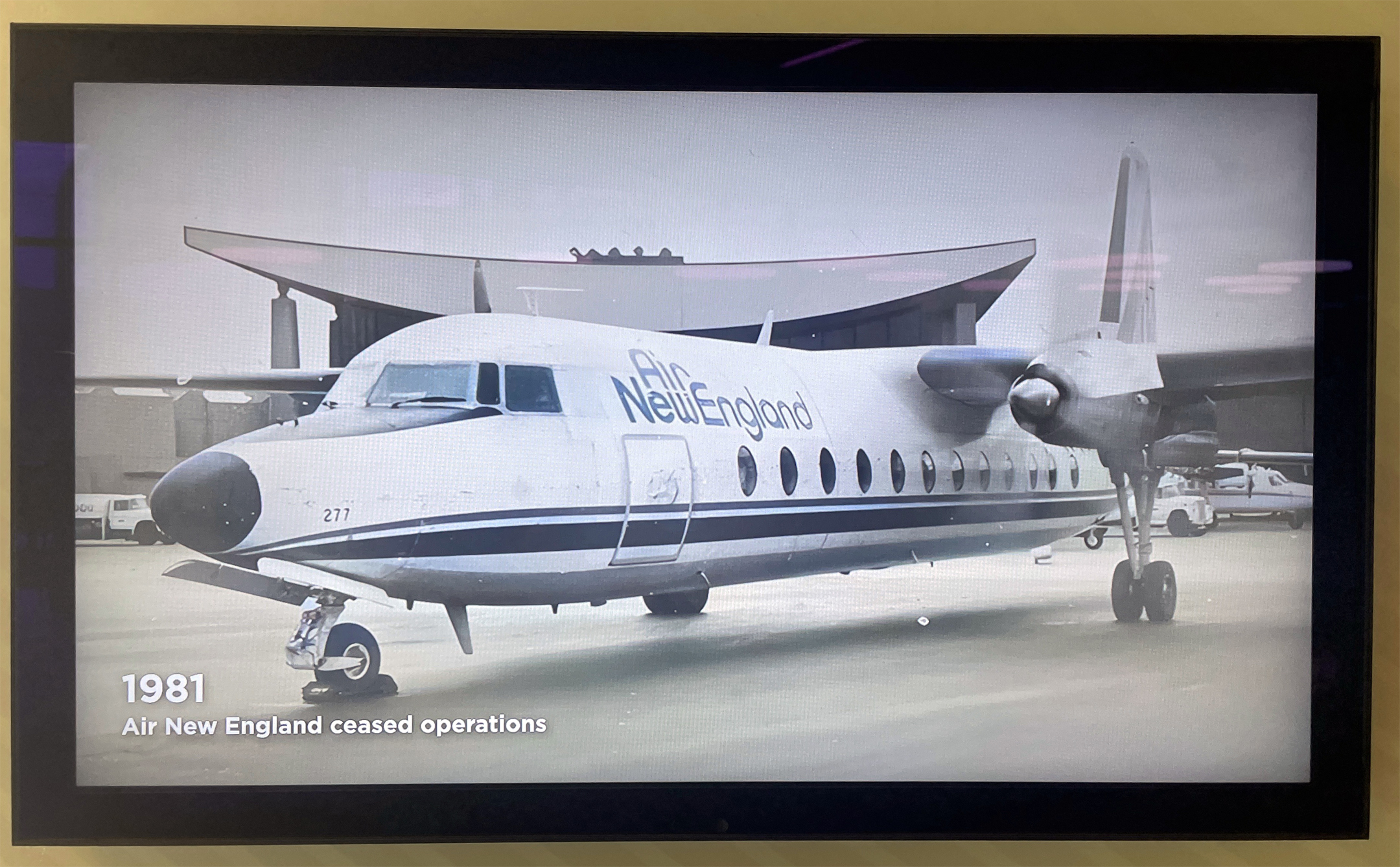
Smith's treatment of the historical exhibits at Logan and JFK carries particular weight for aviators with institutional memory of the industry. The "Logan 100" centennial exhibit in Terminal E, developed in partnership with the Boston Globe and Massachusetts Port Authority, sequences through a century of archival imagery that includes long-defunct regional carriers like Northeast Airlines and Air New England alongside major civic events — a format that reminds working pilots how dramatically the U.S. airline map has consolidated since deregulation. The "From Idlewild to JFK" collage in Terminal 4 touches on the architectural legacy of a facility that has seen more structural demolition than preservation: Eero Saarinen's TWA Flight Center, now repurposed as a hotel, and Pan Am's Worldport, demolished in 2013, represent a pattern of sacrificing mid-century architectural ambition to terminal expansion and modernization economics. Smith's frustration that I.M. Pei's "Sundrome" — built for National Airlines and later operated by Delta before its 2001 demolition — receives no mention in the JFK exhibit reflects a legitimate historiographic gap and points to how selectively airports curate their own narratives when commercial sensitivities are involved.
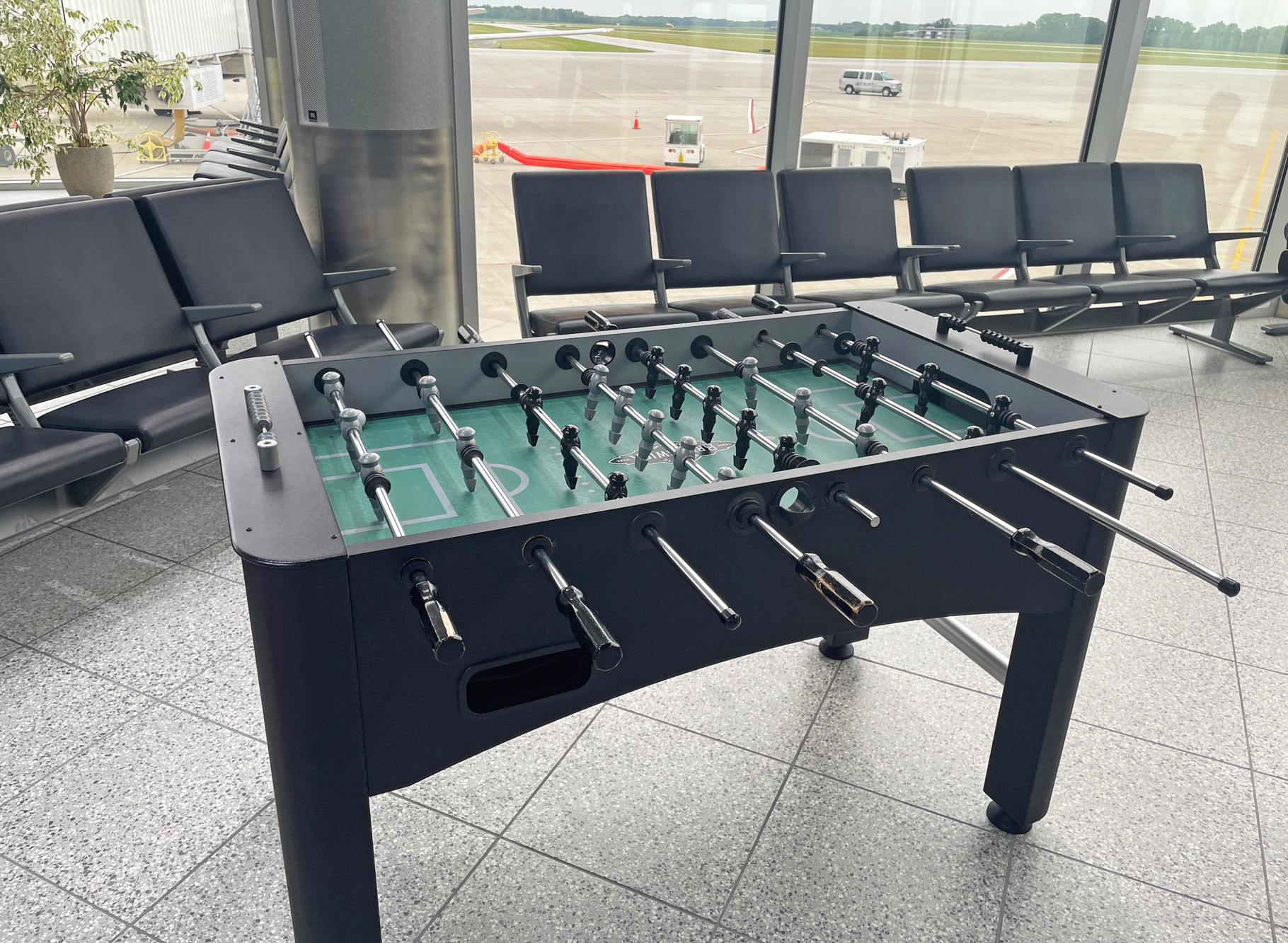
The Green Bay entry, brief as it is, is arguably the most operationally grounded in the piece. Smith notes he was ferrying the Green Bay Packers to Denver on a charter flight when he encountered the foosball table near gate B2 — a detail that grounds the observation squarely in Part 135 and sports charter operations, a segment of business aviation where crew schedule predictability is minimal and layover quality varies enormously by destination airport. Small regional airports like Austin Straubel (GRB), which serve as charter hubs for sports franchises, often provide quieter, less congested environments with faster ground processes than major hubs, a practical advantage that charter operators and corporate flight departments increasingly factor into routing decisions. The low-tech foosball installation Smith describes is emblematic of how smaller facilities sometimes outperform major hub terminals on the human experience dimension precisely because they are not optimizing for the same volume or revenue-per-square-foot pressures. Taken together, Smith's survey functions as an informal quality-of-life audit of global aviation infrastructure — one whose findings, however anecdotal, align with documented trends in biophilic terminal design, airport wellness programming, and the widening experiential gap between top-tier international hubs and the median North American terminal.




















 Read original article