How Much Money Do Boeing 747 Pilots Earn In 2026?
Boeing 747 pilot compensation in 2026 reflects a market shaped by scarcity, specialization, and the continued dominance of cargo aviation as the type's primary operational environment. While the aircraft has largely exited passenger fleets, it remains a workhorse in global freight operations, and the pilots qualified to fly it occupy an increasingly narrow and well-compensated tier of the aviation workforce. ZipRecruiter salary data places average U.S.-based 747 pilot compensation at approximately $135,000 annually, but that aggregate figure obscures the wide variance driven by operator type, seniority, and contract structure. At major cargo carriers, the real numbers are considerably higher: senior Atlas Air captains can exceed $330 per hour under current contract terms, with total annual compensation packages for experienced wide-body cargo captains realistically ranging from $300,000 to $450,000 when per diem, overtime premiums, retirement contributions, and profit-sharing are included.
The migration of Boeing 747 operations from passenger airlines to freight carriers has fundamentally restructured who flies the aircraft and under what conditions. Operators including Atlas Air, Cargolux, and UPS Airlines continue deploying the 747-400F and 747-8F in heavy international freight roles because the aircraft's nose-loading capability and payload capacity remain unmatched by available alternatives. E-commerce growth since the pandemic years has sustained robust demand for large freighter lift, and that demand pressure has contributed directly to upward movement in pilot pay at cargo carriers. Crew qualifications on the 747 are increasingly limited, as retirements reduce the pool of type-rated pilots and newer entrants are trained on the 787, A350, or other modern types. That shrinking supply of experienced 747 crews, combined with persistent freight demand, gives currently qualified pilots meaningful negotiating leverage within their respective carrier contracts.
For professional pilots evaluating career trajectories, the 747 market illustrates a broader tension between compensation and quality of life that runs through much of cargo aviation. Long international rotations linking cities such as Anchorage, Hong Kong, Frankfurt, and Chicago over multi-day sequences are operationally taxing, with irregular sleep schedules, persistent jet lag, and extended time away from home being common realities. That lifestyle calculus is well understood within the pilot community, and many aviators who move into cargo operations do so explicitly because the financial premium offsets the schedule demands, particularly when compared to narrowbody domestic flying or regional operations. The absence of passenger-service pressure and greater operational flexibility are frequently cited as secondary advantages that make cargo flying attractive to experienced long-haul crews.
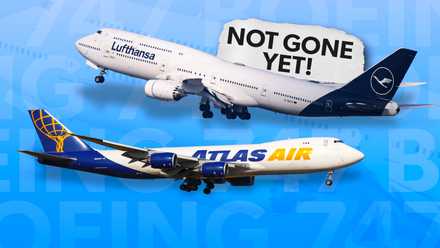
The passenger 747 picture is narrower but still financially significant. Lufthansa remains the world's largest operator of passenger 747 variants in scheduled service in 2026, with both the 747-400 and 747-8 Intercontinental in its fleet, while Korean Air and Air China maintain the type on select long-haul routes. At these carriers, 747 assignments are generally allocated to senior crews based on seniority, reflecting the aircraft's status as a premium operation within those networks. For pilots at European or Asian legacy carriers flying the 747, compensation structures differ meaningfully from U.S. cargo contracts, often incorporating base salary, productivity allowances, and internationally negotiated terms rather than the hourly-rate-plus-per-diem frameworks common in U.S. aviation. In both contexts, however, 747 qualification functions as a marker of seniority and experience that supports above-average compensation relative to narrowbody or shorter-haul assignments at the same carrier.
The gradual retirement of the 747 from global fleets carries longer-term implications that working pilots and aviation operators should track carefully. As more aircraft are retired and fewer new crews receive 747 type ratings, the qualified pilot pool will continue contracting. Cargo operators dependent on the type face an eventual succession question: whether to extend 747 operations and maintain crew qualification pipelines, or accelerate transitions to newer freighter types such as the 777F or 747-8F successors. For pilots currently holding 747 type ratings, particularly those with cargo carrier seniority, that transition dynamic creates an extended window of strong demand before the type's operational footprint meaningfully shrinks. It also reinforces a pattern visible across aviation more broadly, where retiring legacy aircraft types temporarily elevate the market value of remaining qualified crews before the transition to successor platforms reshapes hiring and pay structures across the affected segment.











 Read original article