8-Hour Nonstop Flights: United Launches New Longest Boeing 737 MAX Route Next Week [Map]
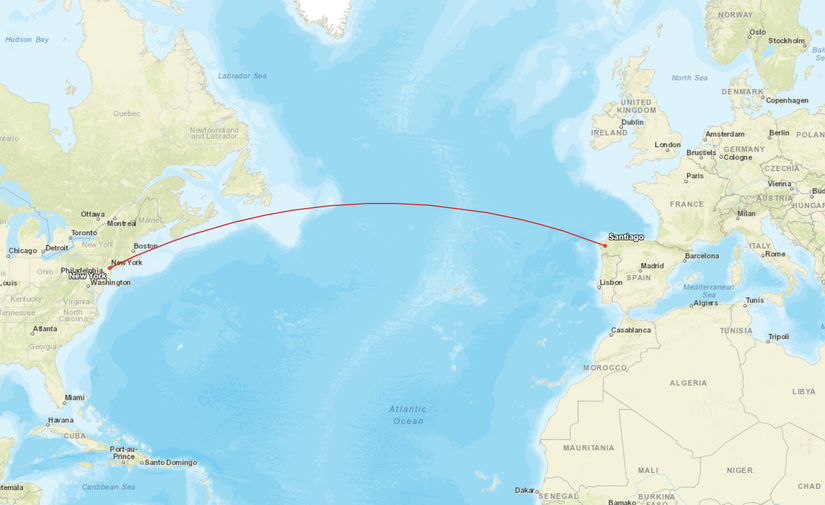
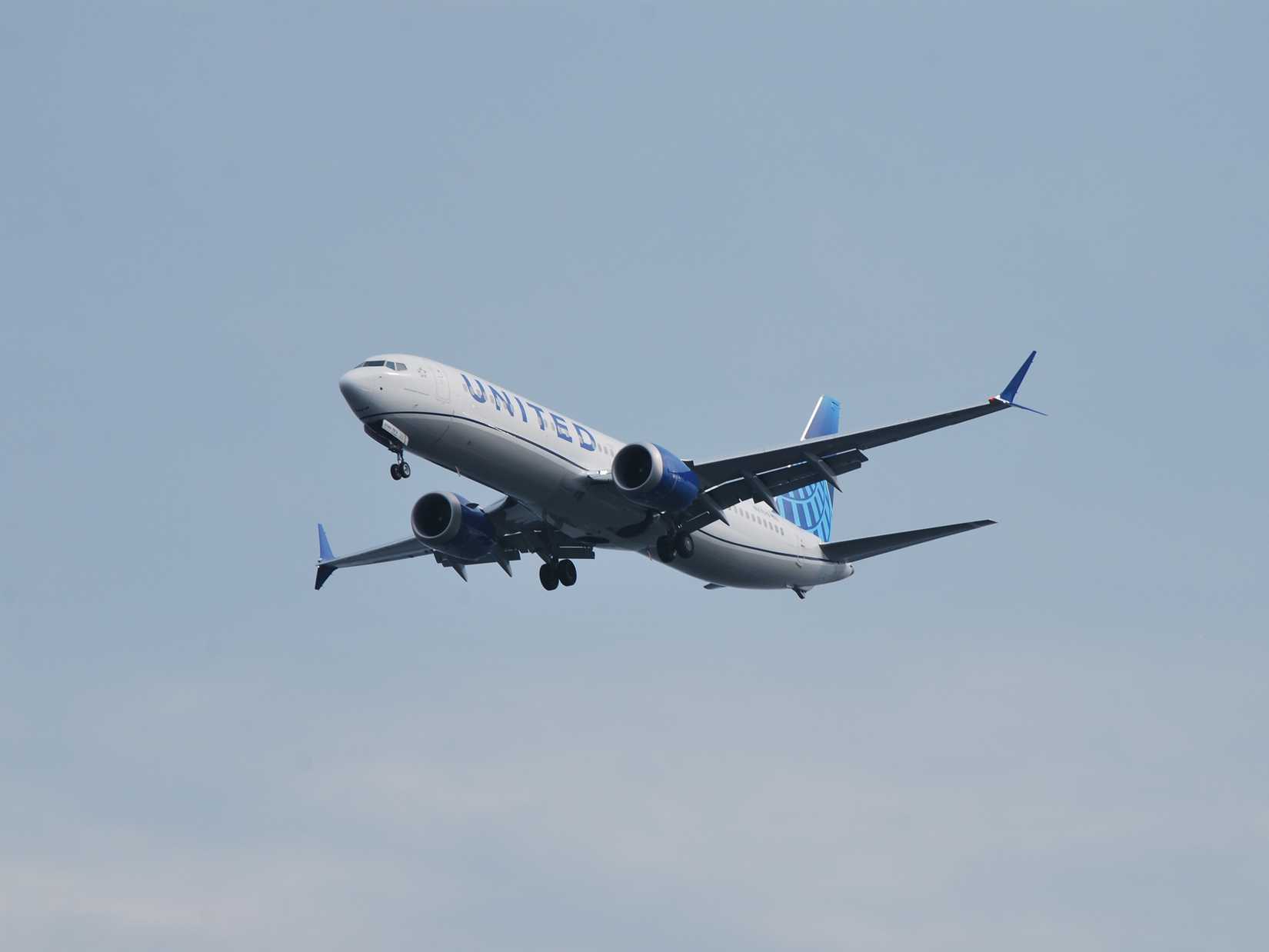
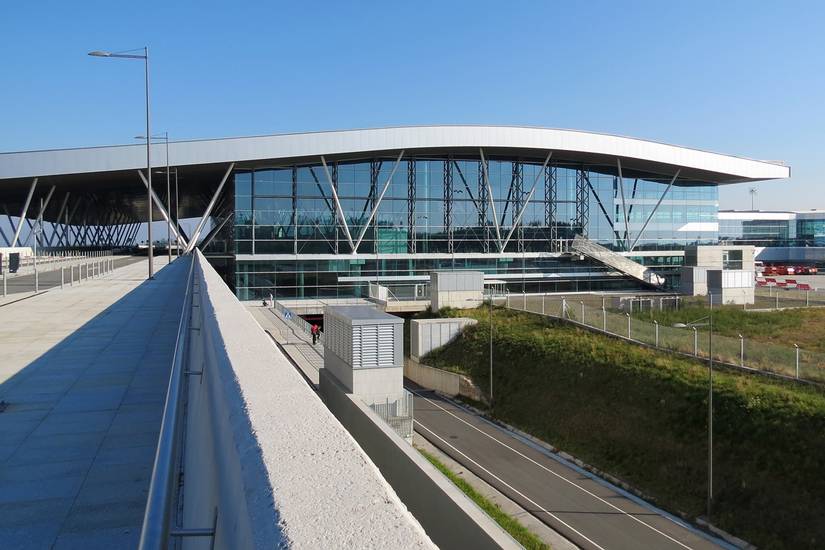
United Airlines will inaugurate scheduled passenger service between Newark Liberty International Airport (EWR) and Rosalía de Castro Airport (SCQ) in Santiago de Compostela, Spain, on May 27, 2026, marking the first direct air link between the United States and the Galician capital. Operating as a thrice-weekly seasonal service through September 20, 2026, the route is staffed by the Boeing 737 MAX 8, configured with 16 Polaris business-class seats and 150 economy seats. The eastbound departure, UA222, departs EWR at 7:15 PM and arrives at SCQ at 8:15 AM the following morning — a block time of approximately seven hours. The westbound leg, UA221, carries a maximum block time of roughly eight hours due to prevailing North Atlantic headwinds, making it United's longest-duration scheduled operation on the type. The service joins a summer 2026 international expansion that also includes new United routes to Bari, Split, and Glasgow.
The operational profile of this route places it in a category of flights that demand close attention from flight crew, dispatchers, and fleet managers alike. An eight-hour block time on a narrowbody aircraft pushes the 737 MAX 8 to the practical limits of its extended-range capability, with North Atlantic Tracks (NAT) procedures, ETOPS requirements, and fuel planning taking on added complexity compared to typical short- or medium-haul narrowbody operations. Under ICAO and FAA ETOPS frameworks, transatlantic 737 MAX operations require specific airworthiness approvals, enhanced dispatch documentation, and crew familiarity with oceanic procedures that differ substantially from domestic or even routine transatlantic widebody operations. Pilots bidding or assigned to this route will operate under oceanic clearance requirements, HF/SATCOM communication protocols, and the particular crew rest and fatigue considerations associated with overnight eastbound transatlantic departures followed by morning arrivals — a schedule profile that requires careful FARs Part 117 fatigue-risk management planning.
For aviation operators and network planners, this route is a notable example of the continuing expansion of the 737 MAX 8's commercial envelope into long-haul transatlantic territory, a trend that began gaining momentum after Boeing secured ETOPS-180 certification for the type and as airlines increasingly seek to open thinner international routes that cannot justify widebody economics. Santiago de Compostela's existing traffic base is dominated by European short-haul low-cost carriers — Vueling, Ryanair, and easyJet collectively account for the bulk of seat capacity — with only a handful of European flag carriers providing medium-haul connectivity to Amsterdam, Frankfurt, Dublin, and Madrid. The absence of any prior US gateway renders this a greenfield demand test, and United's decision to launch with a conservative thrice-weekly schedule of 51 seasonal departures reflects a disciplined approach to yield development on a route without established O&D data. Whether the service transitions to year-round or increased frequency will likely depend on load factors driven by leisure travelers, Camino de Santiago pilgrimage tourists, and the Galician diaspora market in the northeastern United States.
The broader industry implication is that narrowbody transatlantic flying, once considered a niche novelty, is becoming a recurring feature of major carrier network strategy. PLAY, Norse Atlantic, and to varying degrees Ryanair (with ambitions for an Atlantic-capable variant) have each explored or executed narrowbody or near-narrowbody transatlantic operations in recent years, while legacy carriers like United are using the MAX 8's fuel efficiency and range to open point-to-point routes that bypass their own hubs or access secondary European cities that cannot support widebody frequencies. For pilots at Part 121 operators evaluating training footprints, bid award patterns, and equipment qualifications, the gradual normalization of long-range narrowbody operations means familiarity with ETOPS procedures and oceanic operations on single-aisle aircraft is increasingly a career-relevant competency — no longer exclusively the domain of widebody crews.






 Read original article