Why Airlines Know Within Minutes Of Boarding Whether A Flight Is Going To Run Late
Airlines operating in the modern commercial environment have built layered predictive infrastructure that allows operations control centers to identify delay cascades hours before a scheduled departure, long before any public announcement reaches the gate. The foundational variable in this system is the inbound aircraft's status, tracked by tail number rather than flight number because a single airframe may complete four or more revenue legs in a single day. When that aircraft falls behind early in its rotation — say, departing Orlando late on the first leg — the downstream consequences propagate automatically through the network. Operations teams are simultaneously recalculating gate usage, crew duty time windows, fuel sequencing, and baggage connections in real time, while public departure boards may still reflect the original scheduled time. The gap between what the airline knows internally and what passengers see externally is not deception so much as it is a reflection of how rapidly recovery options are evaluated before a delay is officially declared.
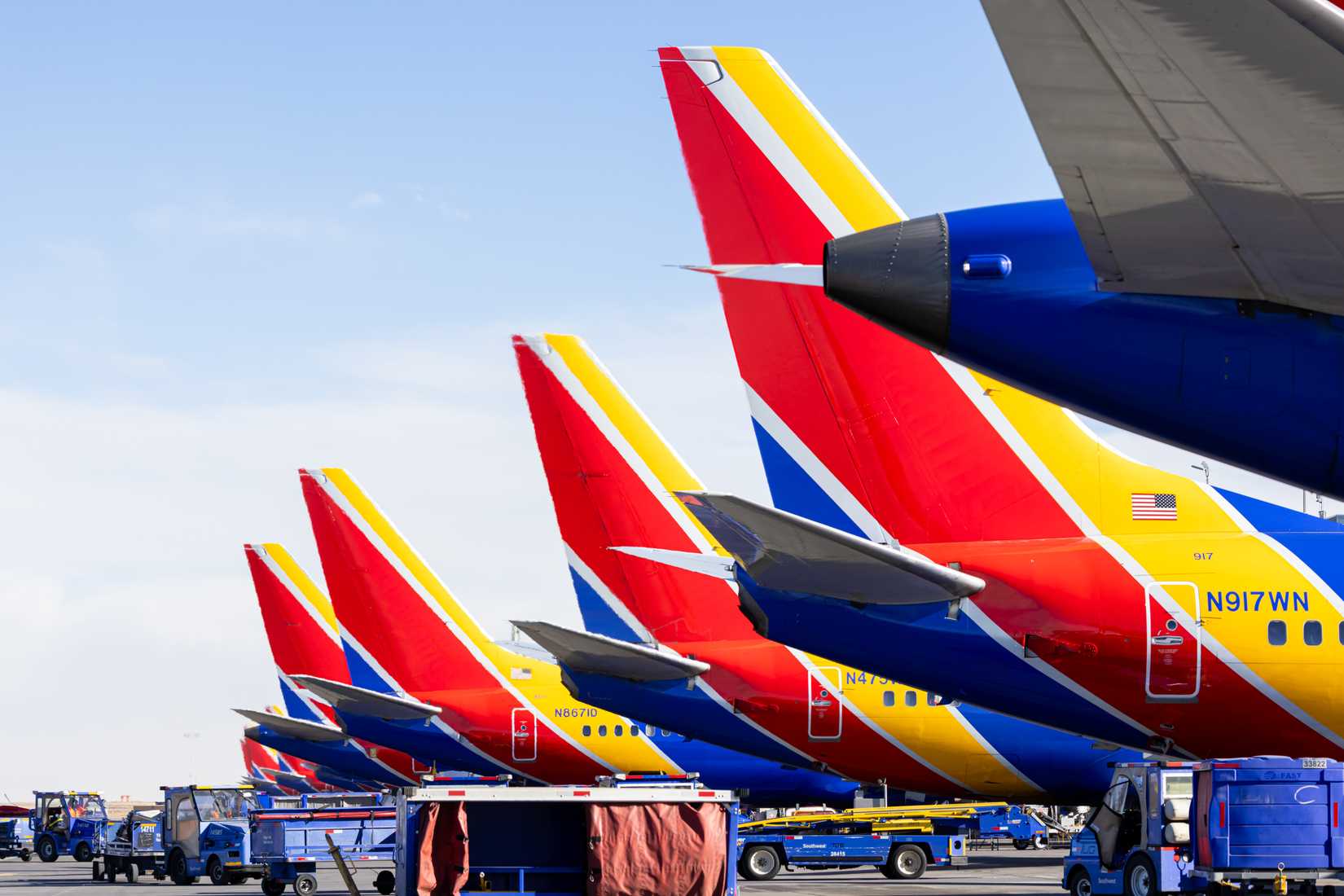
The turnaround model that underlies this dynamic is particularly consequential for pilots operating within commercial or charter environments. Narrowbody aircraft at carriers like Southwest and Frontier are often scheduled with ground times of 25 to 30 minutes — an interval that leaves essentially zero buffer if any single element of the ground sequence is disrupted. Fueling, catering, cabin cleaning, baggage loading, walk-around inspections, and boarding must execute in near-perfect parallel. For flight crews, this means that a late block-in on the inbound leg does not simply compress the turnaround; it frequently initiates a cascading review of crew duty time legality, particularly under FAR Part 117 rest requirements, where a delayed departure can push an already-tight crew pairing into a rest or augmentation requirement that the airline must resolve before the aircraft can legally depart. Operations control centers now receive automated alerts when any of these constraints approach critical thresholds, allowing dispatchers and schedulers to intervene before the problem reaches the cockpit.
For pilots flying under Part 91K or Part 135 in business aviation, the operational logic described here is directly applicable even though the regulatory and infrastructure frameworks differ. Managed aircraft operators tracking tail-specific utilization across multi-leg repositioning sequences face the same cascade risk — a late departure from a repositioning leg can ripple into a charter leg's duty-time window, or create a conflict with a maintenance-required inspection that falls due at a specific airframe hour. The difference is that business aviation operations typically lack the industrial-scale real-time monitoring platforms that major airlines deploy, making crew and operator awareness of inbound status even more critical as a manual compensating function. Sophisticated flight departments and charter operators increasingly use third-party flight tracking and scheduling software to replicate some of this predictive capability, though they remain dependent on dispatcher judgment in a way that large airline operations centers are systematically trying to automate away.
The broader trend embedded in this operational picture is the aviation industry's accelerating move toward machine learning and AI-assisted operations management. Airport ramp environments are now being equipped with camera-based AI systems that can simultaneously track dozens of ground actions and issue automated alerts when any process deviates from its scheduled timeline. Third-party consumer apps are applying similar predictive algorithms to publicly available flight data, generating delay estimates that sometimes surface before airlines make official announcements. For professional pilots, this shift matters because it changes the nature of pre-departure situational awareness — the inbound aircraft's position and estimated arrival time, combined with publicly available weather and traffic data, now allow crews to form reasonably accurate delay assessments independently, before operations control formally communicates a revision. Understanding how these systems work, and learning to read the same inbound-aircraft signals that operations centers prioritize, gives experienced crews a meaningful operational advantage in planning rest, fuel, and crew coordination for multi-leg days.














 Read original article