About The Author - AskThePilot.com
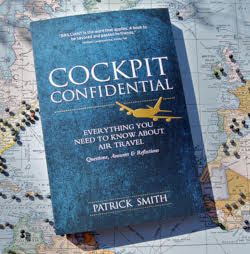
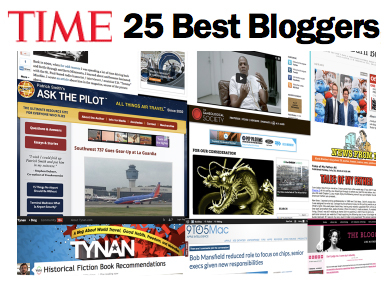
Patrick Smith, a Delta Air Lines first officer currently flying Boeing 757 and 767 aircraft on domestic and international routes, has built one of the most widely read aviation communication platforms outside of institutional or trade media through AskThePilot.com. His career began in 1990 on 15-passenger turboprops at $850 per month — a starting point familiar to a generation of regional airline pilots — and progressed through freight operations and major passenger carriers including American Eagle, TWA, and DHL before landing at Delta. The site, and the Salon.com column it grew from, represent a rare instance of an active line pilot producing sustained, public-facing editorial content over more than two decades, with Smith appearing on more than 400 broadcast outlets and earning recognition from TIME magazine as one of its top bloggers.
The significance of Smith's platform for professional pilots lies less in his technical content and more in what his reach reveals about the information vacuum that commercial aviation has long allowed to persist. Smith's stated premise — that virtually everything the traveling public believes about flying is incorrect — is not rhetorical provocation but an accurate characterization of how thoroughly misconceptions about turbulence, structural risk, cockpit procedures, and airline safety margins have embedded themselves in mainstream understanding. Airlines have historically offered little in the way of proactive, credible public education, and the media ecosystems that fill that void tend toward the catastrophic and the sensational. Smith's work, by contrast, approaches safety communication from inside the flight deck, lending it a credibility that neither corporate PR departments nor aviation journalists typically command.
For operators in Part 91, 91K, and 135 environments — where crew resource management, passenger briefings, and client-facing communication are part of the professional obligation — Smith's career arc offers a model worth examining. The business aviation sector has faced its own version of the public-trust problem, particularly as fractional ownership clients and charter passengers bring consumer-aviation anxieties into the cabin of a Gulfstream or a Challenger. A pilot workforce that can communicate clearly about risk, procedure, and aircraft capability — without resorting to jargon or corporate deflection — serves both safety and commercial interests. Smith's success in building a mass audience suggests that appetite for credible, plainly stated aviation information from actual pilots is substantial and largely unmet by existing institutional channels.
Smith's biographical details also situate him within a broader shift in how airline careers have been understood by those who pursue them. His entry-level compensation of $850 per month in 1990 places him squarely within the era of severe regional airline wage depression that preceded the pilot shortage discourse of the 2010s and 2020s. His trajectory from underpaid turboprop copilot to internationally flying widebody first officer at a major carrier mirrors the experience of a large cohort of pilots now in senior positions, and his willingness to speak publicly about the economics and culture of airline flying — alongside its operational realities — distinguishes AskThePilot.com from aviation content that treats career conditions as proprietary or embarrassing. In an industry where public trust, pilot recruitment, and regulatory credibility are all simultaneously under pressure, the existence of a platform with Smith's reach and longevity represents a meaningful, if informal, contribution to aviation's public standing.







 Read original article