Here's What 1 F-47 Pilot Will Actually Control In A Swarm Of Autonomous Drones
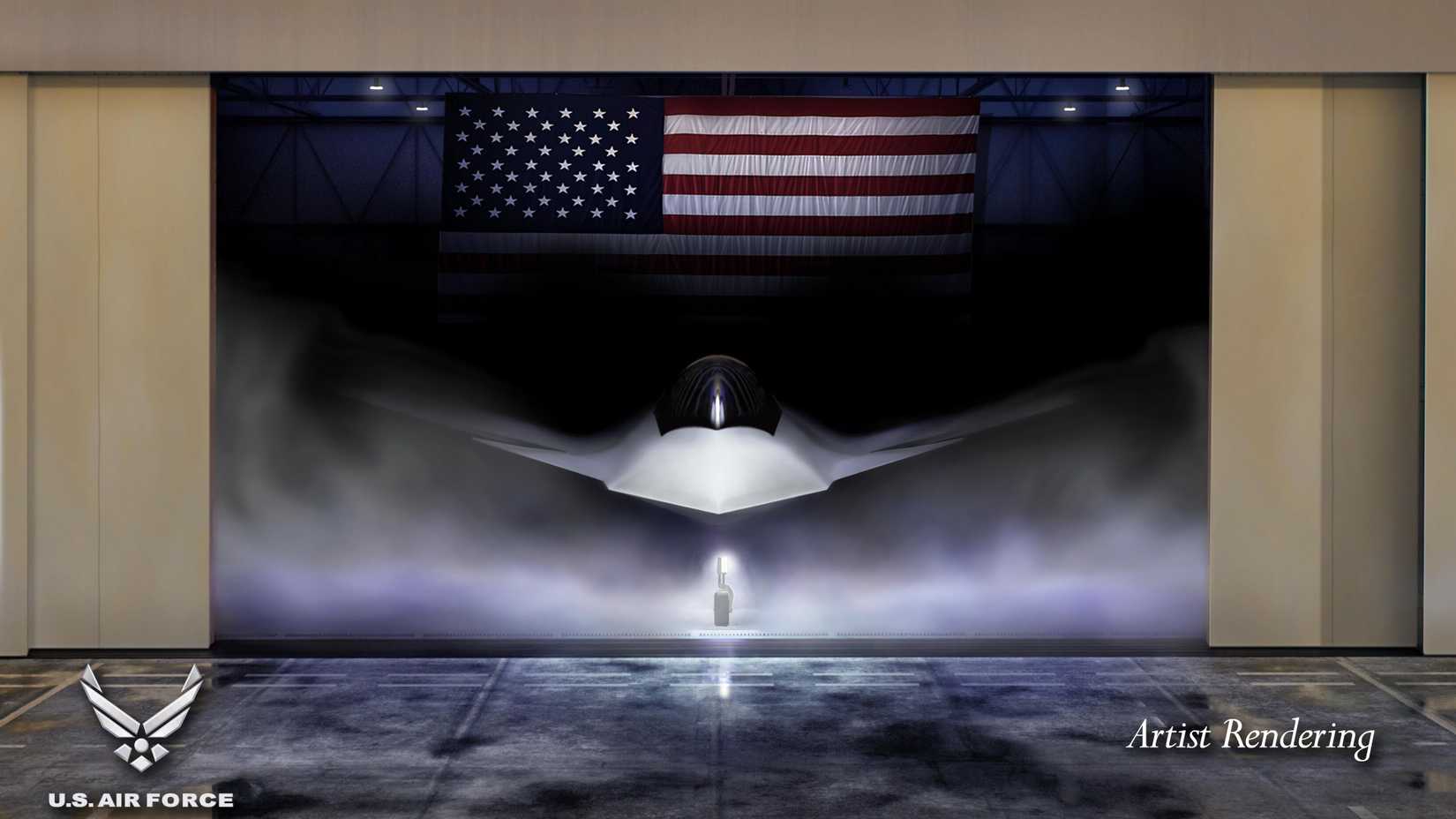
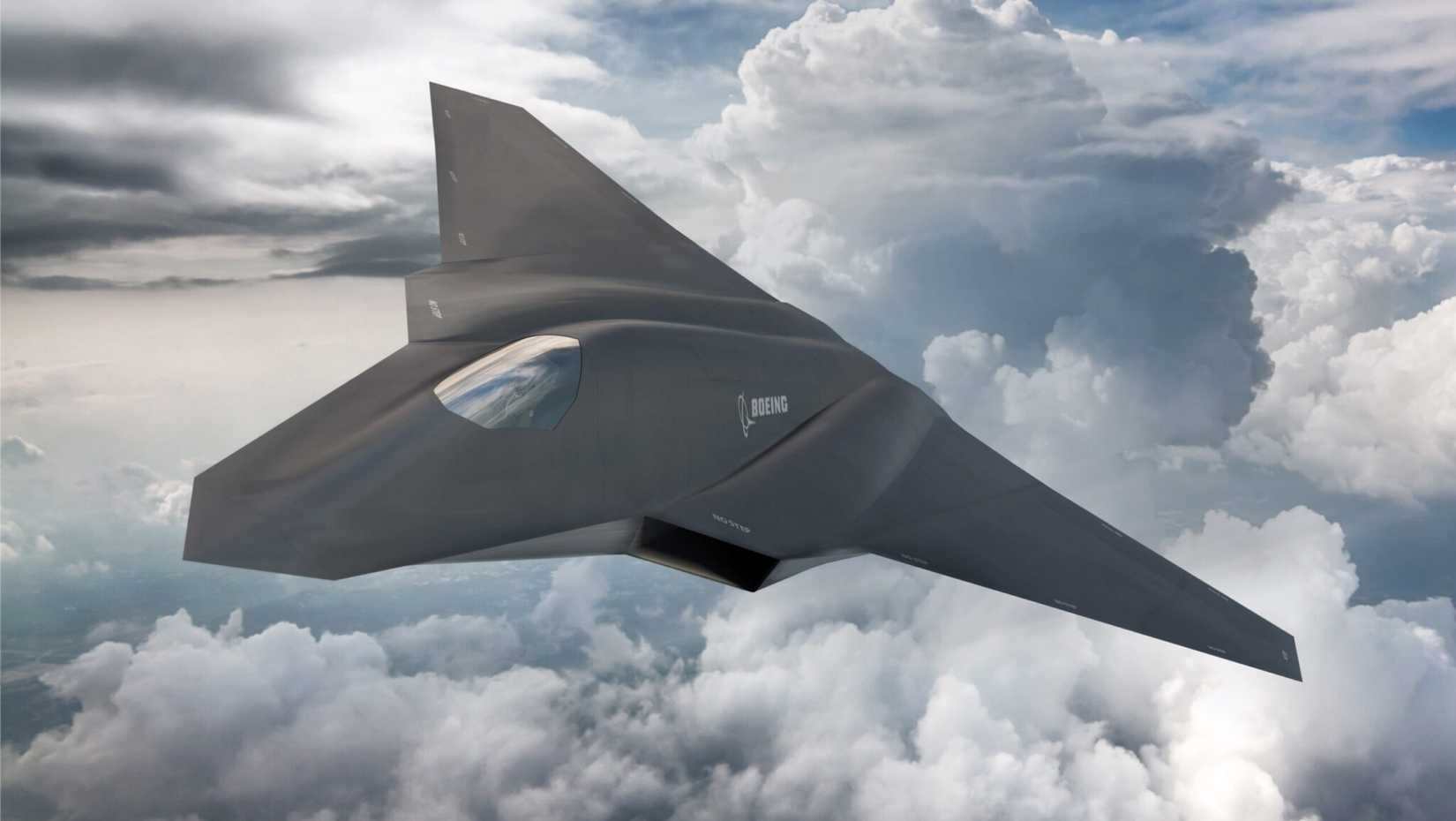
The United States Air Force's F-47 Next Generation Air Dominance program formally redefines the role of a combat pilot from individual aircraft operator to networked mission commander, embedding one human decision-maker at the center of a coordinated swarm of semi-autonomous Collaborative Combat Aircraft. Under the so-called "quarterback" architecture, a single F-47 pilot will direct multiple CCAs — potentially as many as eight simultaneously — each assigned a discrete mission set spanning strike, intelligence-surveillance-reconnaissance, electronic warfare, and decoy operations. The two CCA platforms currently in active flight testing, General Atomics' YFQ-42A and Anduril's YFQ-44A "Fury," both completed first flights in the second half of 2025, confirming that the human-to-drone command chain has moved well beyond conceptual modeling into demonstrated hardware. Boeing's F-47, built to replace the F-22 Raptor, is planned in a fleet of 185 airframes supported by over 1,000 CCAs, a ratio that effectively transforms what looks like a modest fighter inventory into a force of extraordinary aggregate capability.
The architecture's underlying logic is driven by the maturation of adversary integrated air defense systems dense enough to make crewed penetration of the most contested corridors prohibitively costly in both aircraft and trained personnel. By routing ISR collection, jamming, and first-wave strike tasks through expendable or semi-expendable drones, the F-47 pilot can manage the battlespace from a tactically safer standoff position while extending effective sensor and weapons reach far beyond what any solo crewed aircraft could achieve. The critical human-machine boundary is drawn at weapons release authority: CCAs fly and execute mission parameters autonomously, but the pilot retains decision authority over the most consequential actions, consistent with standing Air Force doctrine governing AI-enabled systems. This is not full autonomy — it is supervised autonomy, with the human as final arbiter of lethal action, a distinction the Air Force has pressed with deliberate consistency in congressional testimony and program documentation.
For professional aviators across all segments, the F-47 program is the most advanced real-world expression of a human-machine teaming philosophy that is already migrating into commercial and business aviation under different names and at far lower stakes. The single-pilot operations debate in commercial transport, the increasing authority of envelope protection and automated conflict resolution systems in business jets, and the trajectory of Advanced Air Mobility platforms toward reduced crew configurations all reflect the same underlying question the F-47 forces into sharp relief: how much of a flight crew's traditional cognitive workload can be delegated to autonomous systems without degrading safety or command integrity. The military answer — supervised autonomy with human authorization at defined decision gates — is essentially the same framework regulators and manufacturers are working toward in civil contexts, though the timeline and tolerance for risk differ substantially.
The broader implication for aviation operators is that the pilot's core value proposition is shifting, at least at the frontier of the profession, from stick-and-rudder mastery toward systems management, tactical judgment, and mission architecture. An F-47 pilot who mismanages the eight-CCA network — assigning wrong roles, failing to sequence drone tasking correctly, or hesitating at a critical decision gate — will underperform regardless of individual airmanship. That same dynamic, in attenuated form, already shapes high-workload operations in glass-cockpit business jets and high-density airline environments where automation fluency and crew resource management define outcomes more consistently than manual flying skill. The F-47 program's 2030s operational timeline means the generation of pilots now entering commercial and business aviation will be flying in an industry whose automation architecture is being actively shaped by the lessons this program generates, making it directly relevant professional context even for operators who will never touch a military aircraft.








 Read original article