"Like A Drop Tower": Cathay Flight Plunges Mid-Meal, Sending 8 To Hospital
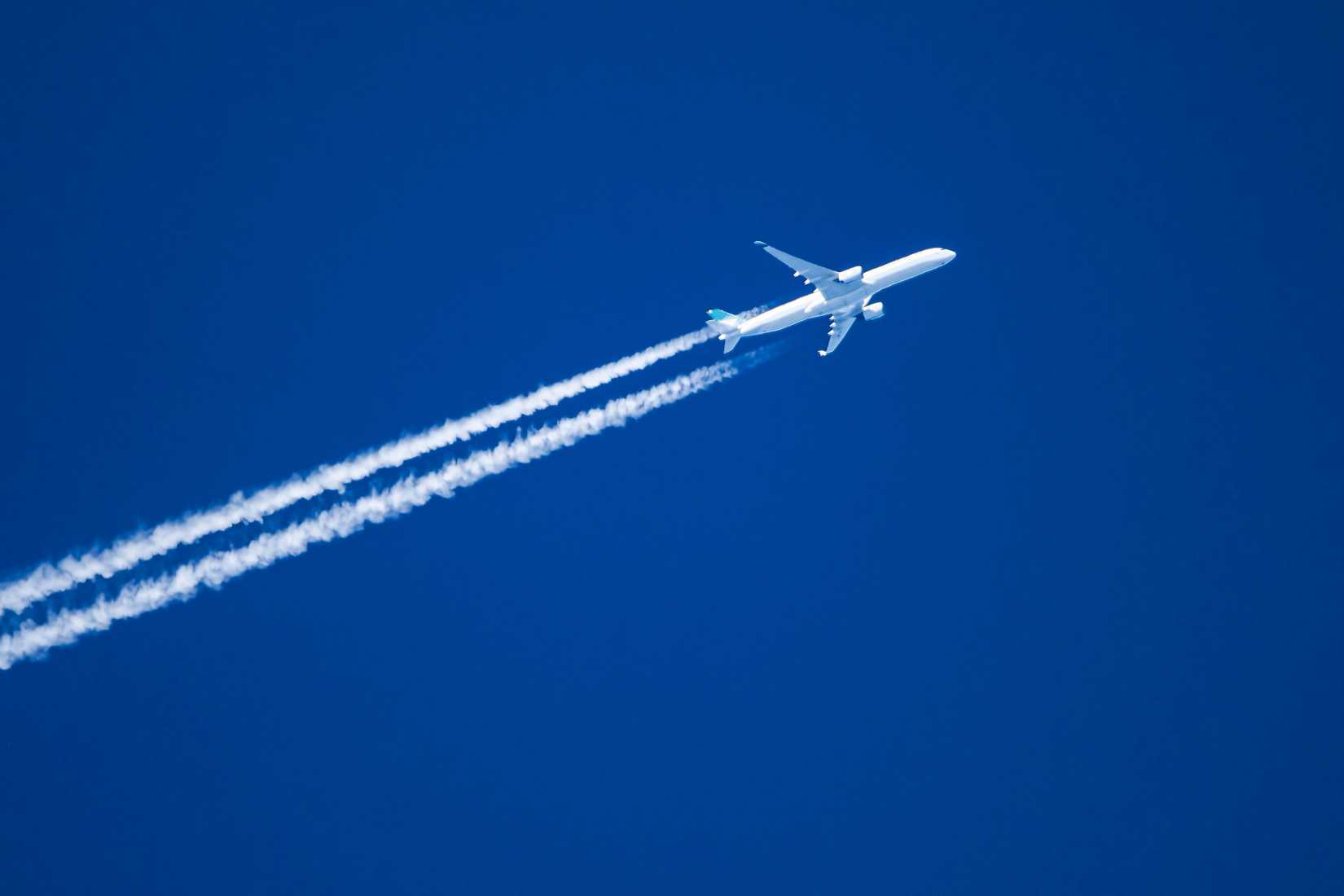
Cathay Pacific flight CX156, operating an Airbus A350-900 on the Brisbane–Hong Kong route, encountered severe turbulence during the final stages of its approach to Hong Kong International Airport on May 22, 2026, injuring ten people and requiring eight to be transported to North Lantau Hospital. Six of the ten injured were cabin crew members, a ratio that underscores a well-documented vulnerability: flight attendants moving through the cabin during active meal service have no opportunity to be seated and restrained when sudden atmospheric disturbances occur. Airport Authority Hong Kong had emergency personnel on standby prior to landing, and medical teams boarded immediately upon arrival at 06:45 local time. Cathay Pacific confirmed the airline is providing follow-up assistance to all affected individuals and reported no structural damage to the aircraft or operational disruptions to the fleet.
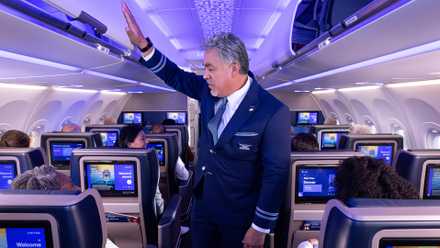
The injury disparity between crew and passengers in this event is operationally significant for every Part 121 carrier and corporate flight department operating with cabin attendants. Passengers restrained by lap belts, even loosely fastened, experienced markedly better outcomes than crew members traversing the aisle with service carts and trays. This dynamic is not unique to long-haul widebody operations — it applies equally to charter operators, business jet configurations with standing cabin crew, and any operation where personnel are upright and unsecured during cruise or descent. The timing of the turbulence encounter during meal service represents a compounding risk factor that airlines have struggled to mitigate systematically, since the window for serving passengers on long-haul flights often coincides with cruise altitudes where clear-air turbulence is most prevalent and least predictable. When flight crews receive turbulence PIREPs or forecasts, the communication chain to cabin crew for immediate seat assignments must function without delay — seconds matter in sudden-onset events.
The CX156 incident draws a direct parallel to a Delta Air Lines encounter in July 2025, when turbulence during dinner service on a Salt Lake City–Amsterdam flight injured 25 people and forced an emergency diversion to Minneapolis. The recurrence of this pattern — severe turbulence, active meal service, disproportionate crew injuries — suggests that the operational practice of conducting full meal services during cruise flight deserves continued scrutiny from safety departments, union representatives, and regulators. Some airlines have already begun exploring reduced-standing-crew protocols during high-risk turbulence windows identified by dispatch or en route data, though implementation remains inconsistent across the industry. The similarity of passenger descriptions across both events, invoking drop tower or roller coaster analogies, indicates vertical acceleration severe enough to produce projectile motion of unsecured objects and occupants — a signature of convective or strong clear-air turbulence rather than light chop.
At the broader industry level, the increasing frequency and intensity of turbulence encounters is moving from a meteorological concern to an operational planning variable. Atmospheric scientists have linked rising upper-level temperature gradients and altered jet stream behavior to more energetic clear-air turbulence, particularly in the mid-latitudes where trans-Pacific and North Atlantic routes concentrate. For flight crews and dispatchers, this trend elevates the importance of pre-departure turbulence briefings, en route weather monitoring, and proactive PIREP filing to benefit downstream traffic. Operators should also review whether their standard operating procedures adequately define thresholds for suspending cabin service and seating crew — not merely when the fasten seatbelt sign is illuminated, but when forecast or reported conditions suggest a meaningful probability of moderate-or-greater turbulence. Corporate operators flying without dedicated cabin crew bear different but related risks, particularly for passengers who may be working, eating, or moving through a cabin without consistent seatbelt reminders. CX156 reinforces that the seatbelt sign and its associated passenger advisory remain among the most consequential safety tools available to flight crews, and that the culture of keeping belts fastened while seated — regardless of sign status — directly determines who gets hurt when the atmosphere delivers an unforecast event.









 Read original article