Why Skunk Works' Vectis Stealth Drone Could Fill The F-47's Biggest Gap
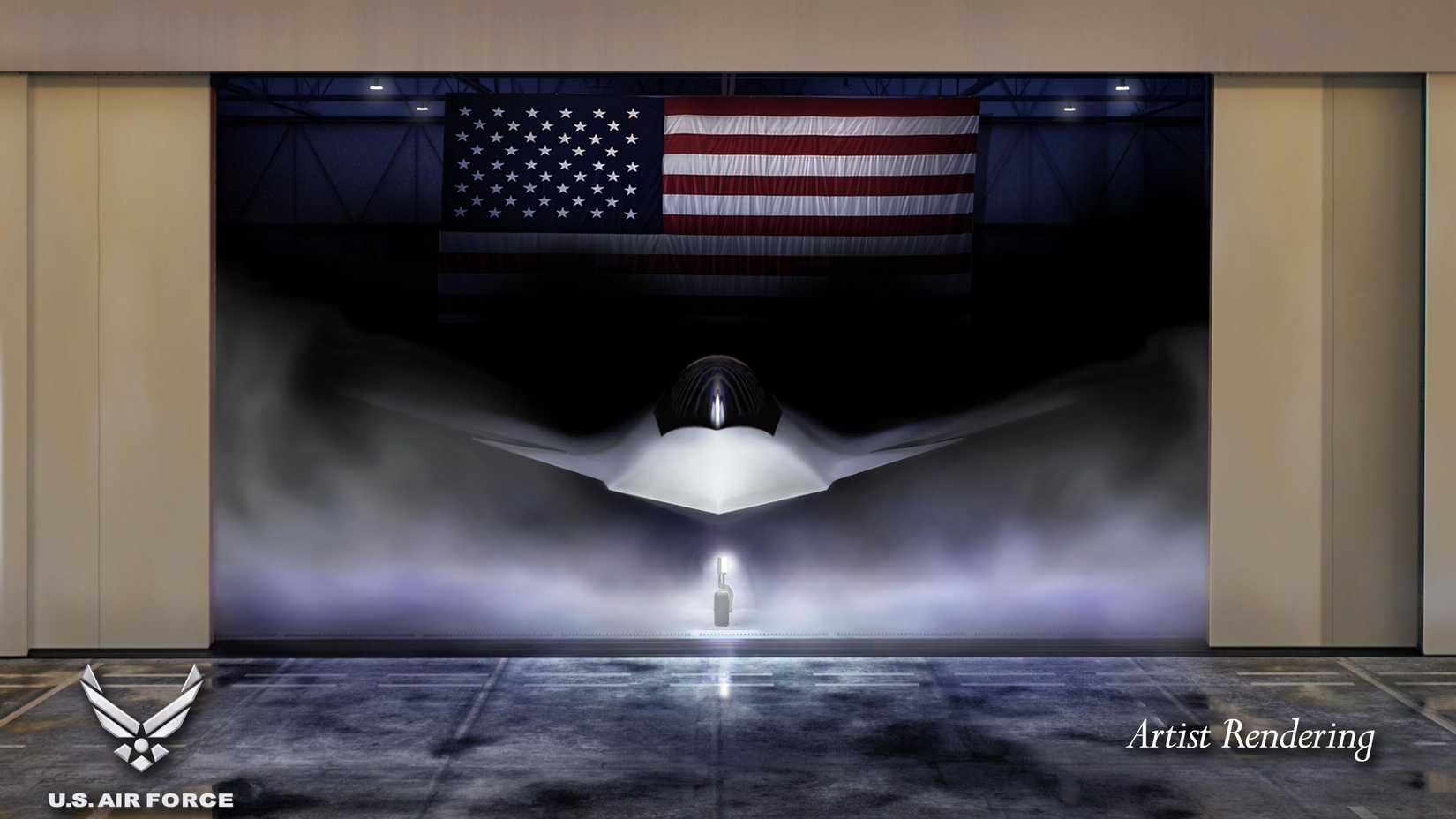
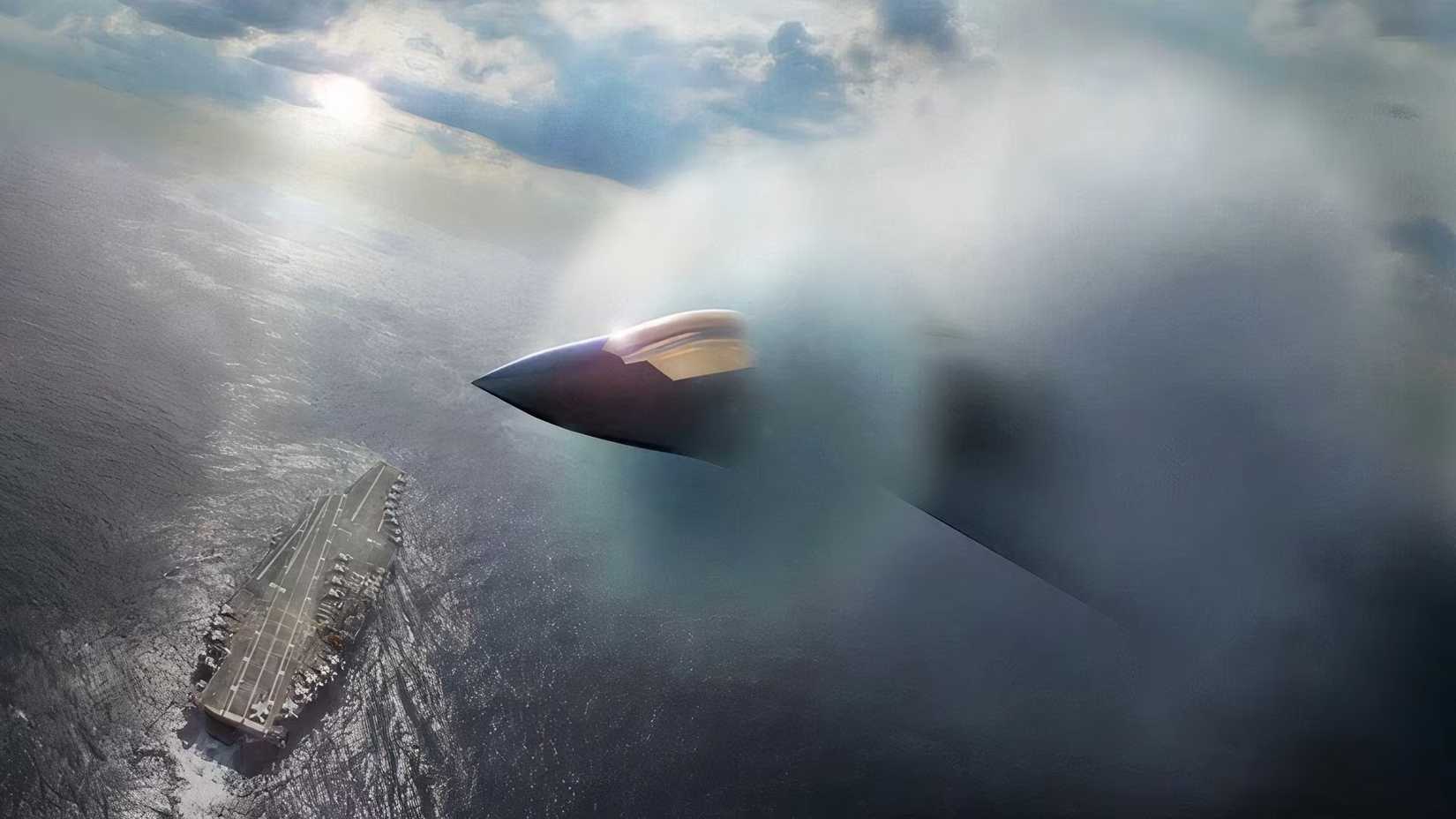
Lockheed Martin's self-funded Vectis stealth drone represents the company's calculated bet that the U.S. Air Force's Collaborative Combat Aircraft program will eventually require a more capable, higher-end autonomous wingman than the Increment 1 selections currently in development. The Air Force's Next Generation Air Dominance program envisions the Boeing F-47 sixth-generation fighter not as a standalone platform but as a networked command node directing a strike package of manned and unmanned assets. While the service selected the Anduril YFQ-44A and General Atomics YFQ-42 for Increment 1 — prioritizing speed of development over optimized performance — Lockheed contends those subsonic, lower-survivability designs will prove insufficient as companions to the F-47's long-range, supersonic, all-aspect stealth profile. The Vectis, described as stealthy, runway-dependent in its current form, smaller than an F-16, and targeting a first flight in 2027, is being positioned as the bridge between what the CCA program is now and what it must become for the F-47 era of the early 2030s.
The structural logic of the CCA program's evolution carries significant implications for how military aviation services think about human-machine teaming. Rolls-Royce's public commentary about Increment 2 propulsion requirements articulates the central tension: Increment 1 was about proving the concept and fielding aircraft quickly, while Increment 2 will force harder trade-off decisions around range, payload, survivability, and cost — particularly in the context of Indo-Pacific distances where logistics chains are long and forward basing is contested. The planned 2029 pairing of Increment 1 CCAs with F-22s and F-35s will generate real-world operational data on human-machine teaming doctrine, autonomous decision-making boundaries, and mission-set suitability, data that will directly shape what the Air Force specifies for Increment 2. The Vectis, powered by a Williams International FJ44-4 turbofan producing 3,600 pounds of thrust — an engine familiar in the business jet world as the powerplant for several Citation-class aircraft — occupies a middle tier of capability that Lockheed believes the Air Force cannot avoid as threats mature.
For professional pilots operating in commercial, business aviation, and advanced air mobility environments, the CCA program's trajectory matters beyond its immediate military context. The autonomous teaming architectures being developed for CCAs — sense-and-avoid, machine-to-machine communication protocols, distributed decision-making under contested electronic environments — are foundational technologies that will migrate into civil airspace frameworks. Regulatory bodies including the FAA and EASA are watching military autonomous systems development closely as they build out frameworks for beyond-visual-line-of-sight UAS operations and, eventually, reduced-crew and single-pilot certification pathways for commercial transports. The pace at which the Air Force is institutionalizing human-machine teaming doctrine, including defining where autonomous action is permissible and where a crewed node retains authority, will inform the civilian certification and operational approval frameworks that Part 91, 91K, and 135 operators will eventually navigate.
The divergence in CCA ambition across the military services also illustrates a broader pattern visible in civil aviation: different operator communities with different mission profiles arriving at fundamentally different capability thresholds for autonomous systems. The Marine Corps' selection of an adapted XQ-58 Valkyrie — a simpler, less survivable design — mirrors how regional operators often prioritize affordability and dispatch reliability over peak performance. The Navy's reported consideration of one-way expendable drones functioning essentially as cruise missiles reflects a different cost-benefit calculus altogether, closer to the logic of cargo drone operators weighing whether a reusable electric aircraft or a single-use delivery vehicle better fits their economics. Lockheed's self-funded Vectis development, meanwhile, echoes the business aviation industry's own history of manufacturers investing ahead of stated customer demand — betting that once operators understand the capability envelope of a mature platform, the requirement will crystallize around it. Whether the Air Force ultimately validates that bet in Increment 2 will depend significantly on what operational lessons the early F-22 and F-35 pairings produce between now and the early 2030s.







 Read original article