No Regrets: Why Delta Air Lines Easily Got Rid Of The Boeing 777
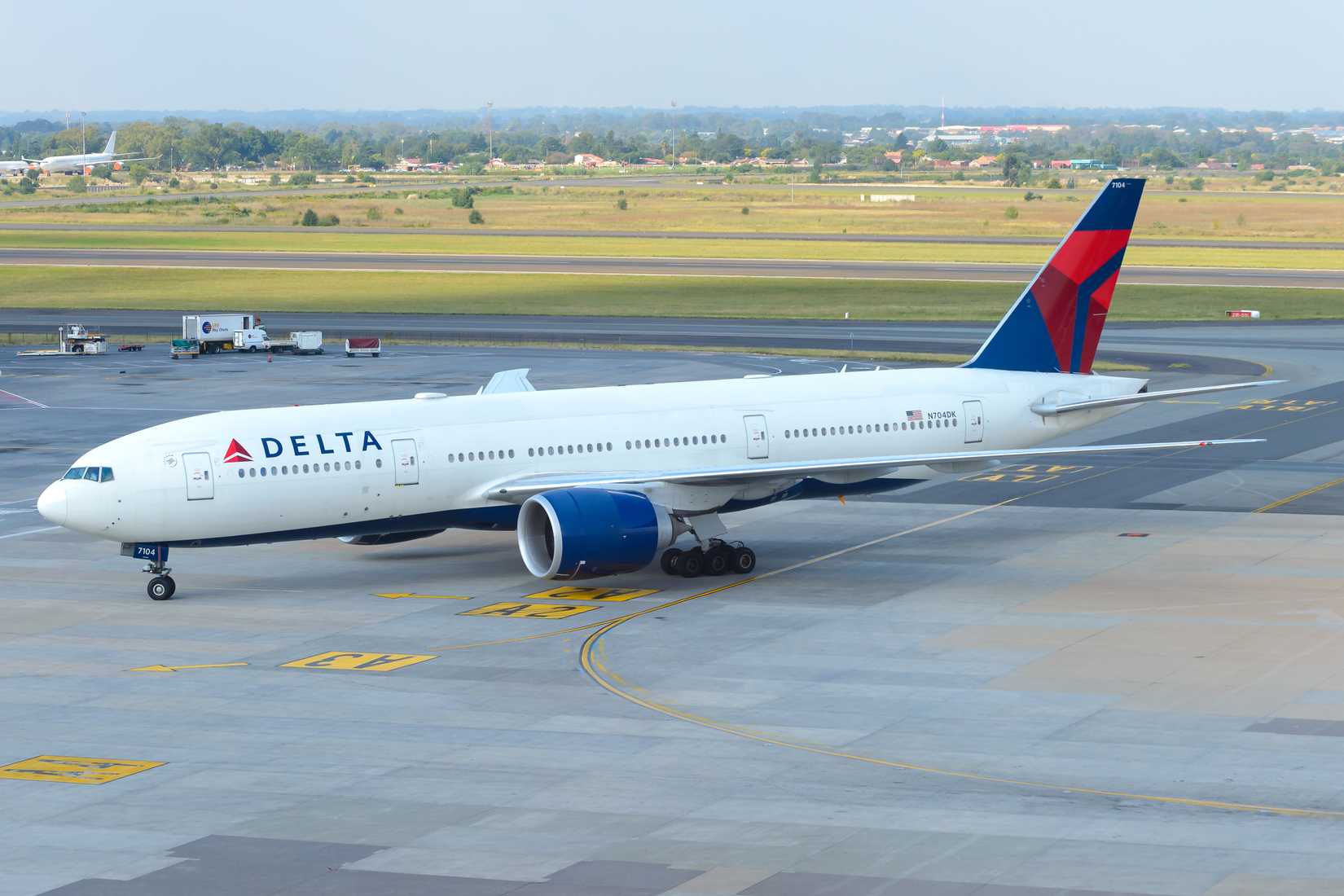
Delta Air Lines retired its entire Boeing 777 fleet on October 31, 2020, ending a 21-year operational relationship with a aircraft type that had defined the carrier's ultra-long-haul ambitions since 1999. The airline operated 18 aircraft across two variants — the 777-200ER, with a range of approximately 7,065 nautical miles and 293-seat capacity, and the 777-200LR, capable of 8,555 nautical miles and configured for 296 passengers. Those aircraft had opened non-stop routes previously impractical for Delta, including Atlanta to Johannesburg and Los Angeles to Sydney. Despite the type's operational reputation and the affection it earned from crews and passengers alike, Delta's leadership determined during the COVID-19 demand collapse that retaining 18 aging, high-operating-cost widebodies could not be justified against the airline's longer-term financial restructuring goals.
The core driver behind the 777 retirement was fleet simplification, a strategy Delta had been pursuing well before the pandemic accelerated the timeline. Widebody fleet complexity carries compounding costs for any carrier: type-specific training and recurrency requirements for flight crews, separate maintenance programs, distinct parts inventories, and specialized ground support infrastructure. With Delta already operating a significant Airbus widebody base — 78 A330s in multiple variants — the 777 represented an outlier that added complexity without sufficient network justification. The pandemic created the operational window to execute a retirement that might otherwise have required years of careful phase-down management, and Delta moved decisively. For airline operations and fleet planning professionals, this illustrates the broader industry principle that a crisis is often the most efficient mechanism for accelerating structural fleet decisions that commercial inertia would otherwise delay.
The replacement strategy centered on two Airbus types already embedded in Delta's operation. The A330-300, in service since 2003 and configured for 282 passengers with a 6,350-nautical-mile range, handles transatlantic and medium-haul widebody flying. The A330-900neo, introduced in 2019 with a 7,200-nautical-mile range, extends that capability and incorporates Delta's current premium cabin product. The more significant long-haul replacement came through the A350-900, of which Delta has acquired 41 aircraft. Per reporting from The Points Guy, the A350 delivers a 21% reduction in fuel burn compared to the 777 on equivalent routes — a figure that compounds meaningfully across thousands of annual departures and carries significant implications for both unit cost management and emissions compliance as regulatory pressure on aviation's carbon footprint intensifies across the Atlantic market.
For pilots operating in the widebody segment, Delta's fleet evolution reflects a structural shift underway across major network carriers toward fewer, newer, more fuel-efficient aircraft types. The economics of the A350 and A330neo relative to first-generation widebodies like the 777-200ER and 767-300 are no longer marginal — they are decisive enough to reshape network planning and crew base requirements. Airlines consolidating around fewer type certificates directly affects seniority dynamics, base assignments, and qualification pathways for pilots holding or pursuing widebody type ratings. Carriers that operated the 777 domestically — United and American both maintain large 777 fleets — are watching Delta's simplified widebody model closely, and the pilot workforce in those operations should anticipate that similar fleet rationalization pressures will emerge as those older airframes age into heavier maintenance intervals and the cost differential against newer types widens further.
The Delta case also carries relevance for business aviation and corporate flight departments operating or evaluating large-cabin, long-range jets. The same fuel efficiency and range arguments that drove Delta toward the A350 are reshaping the large-cabin business jet market, where Gulfstream's G700 and Dassault's Falcon 10X are competing on similar efficiency-versus-range curves against older platforms. The broader industry dynamic — pandemic-accelerated fleet consolidation, type simplification, and a structural premium on fuel efficiency — is now a baseline assumption in any serious fleet planning exercise, whether the operator is a major network carrier or a flight department running transatlantic missions. Delta's 777 retirement serves as a clear, documented case study in how those pressures resolve when the economic environment removes the friction that normally delays difficult but strategically sound decisions.











 Read original article