Is It True That The Boeing 777X Needs Less Engine Thrust Than The Jet It's Replacing?
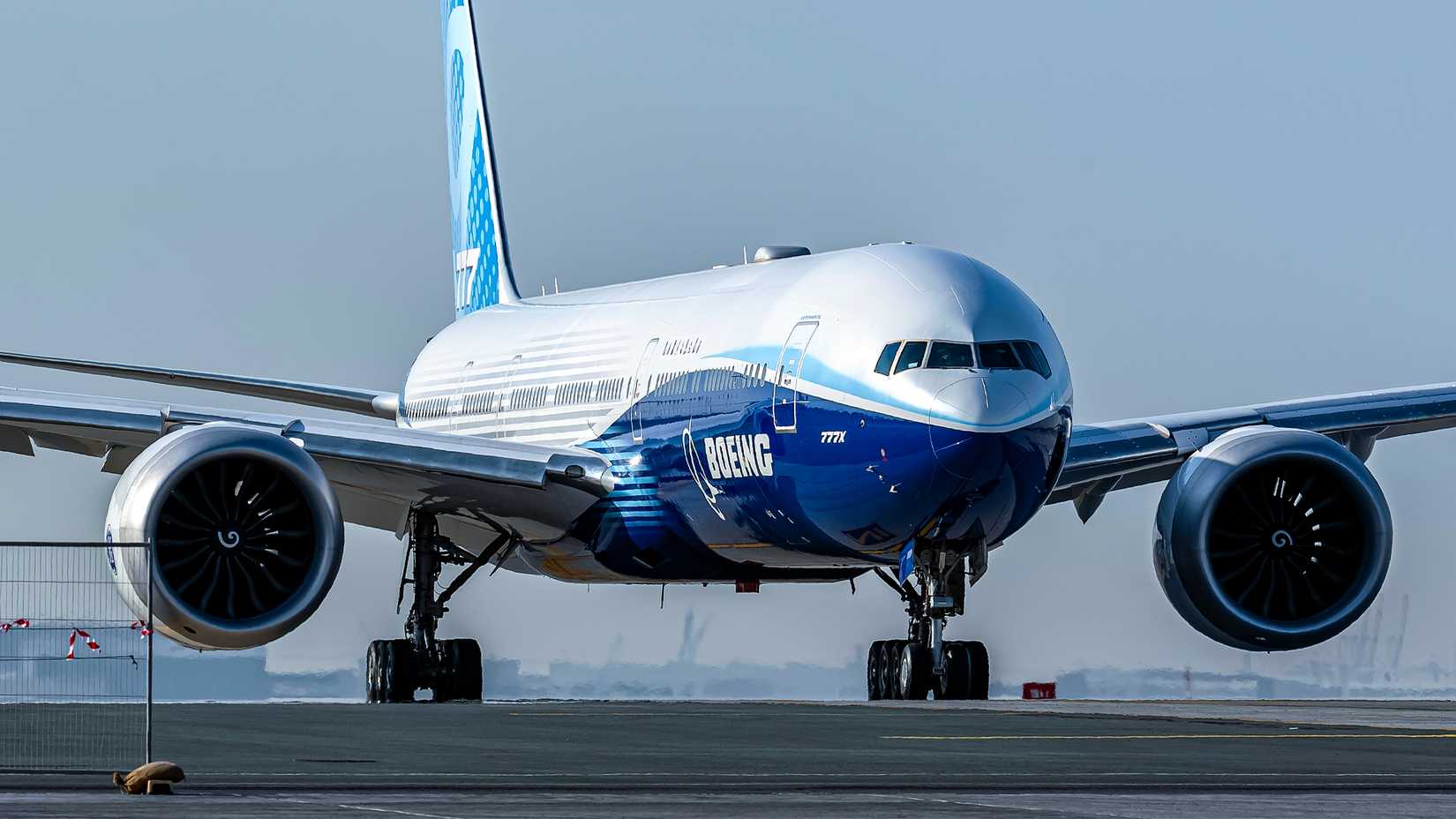
The Boeing 777X enters service with a counterintuitive engineering characteristic that challenges decades of aviation convention: despite being physically larger and heavier than the 777-300ER it succeeds, the aircraft operates with lower certified engine thrust. The 777-300ER's General Electric GE90-115B engines are rated at 115,000 pounds of thrust each, while the GE9X engines powering the 777X are expected to enter revenue service at approximately 105,000 to 110,000 pounds — a reduction of roughly five to ten percent. The 777-9, the primary passenger variant of the program, stretches longer than the 777-300ER, seats up to 426 passengers in a two-class configuration versus approximately 392 on the older jet, and features a wingspan of 238 feet and 10 inches — so large that Boeing introduced folding wingtips to preserve compatibility with existing gate infrastructure. That a heavier, longer aircraft with more seats requires less operational thrust is not a contradiction but a direct result of coordinated advances in airframe aerodynamics and propulsion design.
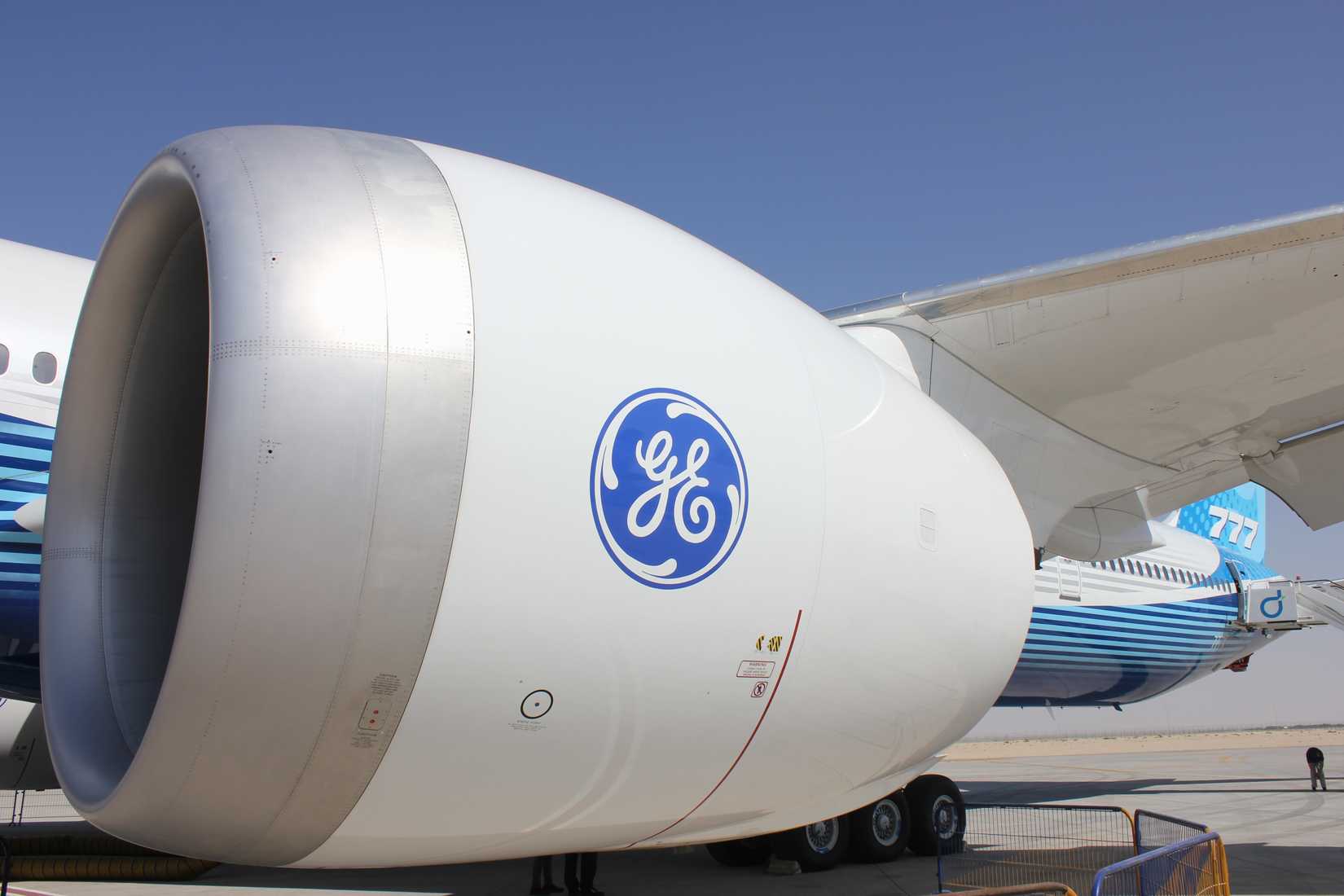
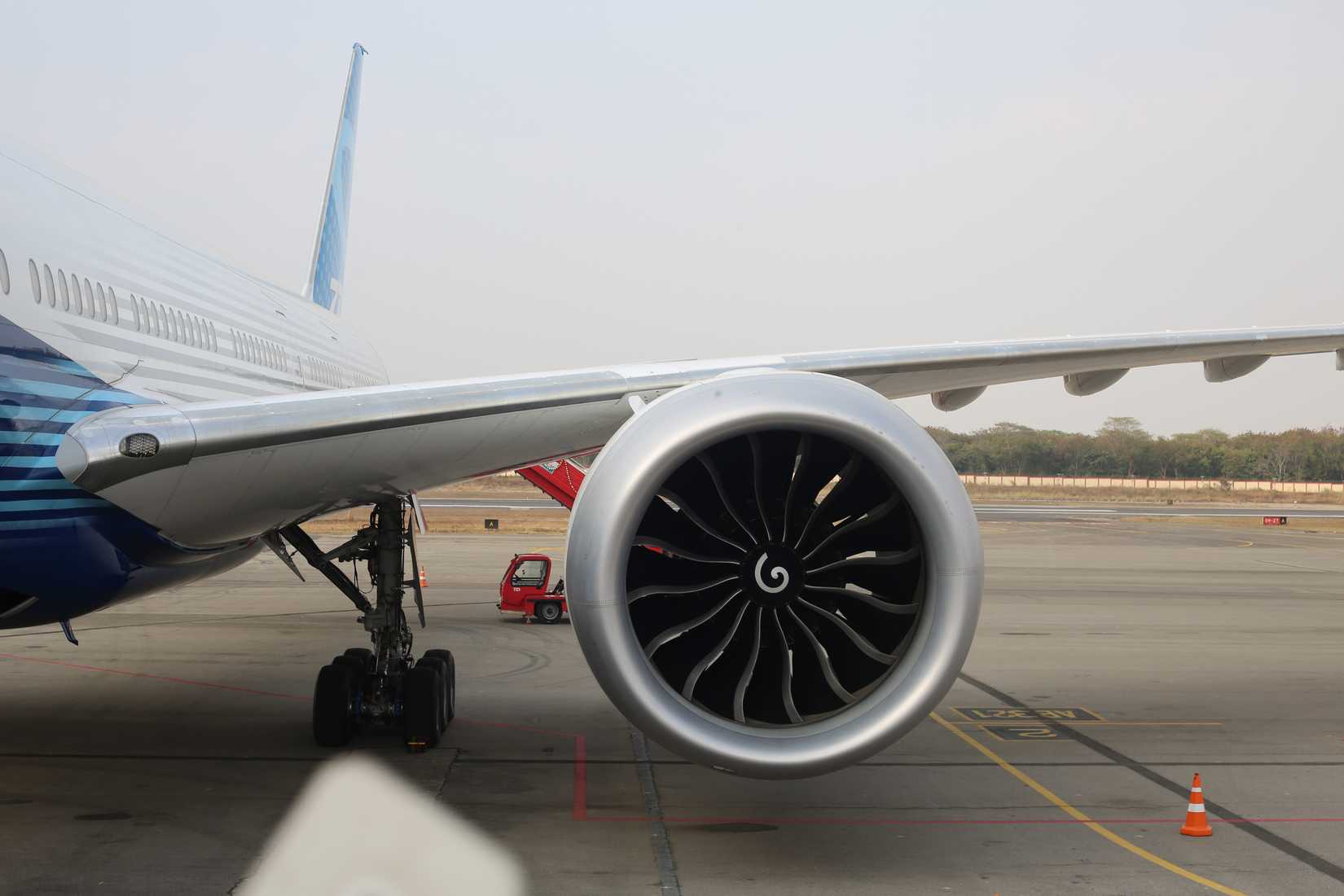
The GE9X engine is central to this efficiency story, and its design philosophy marks a substantive shift in how turbofan performance is measured. During testing, the engine demonstrated peak thrust exceeding 134,000 pounds, surpassing the GE90's own record, but Boeing and General Electric deliberately optimized the operational envelope around fuel consumption rather than maximum output. The GE9X employs a 134-inch fan — among the largest ever fitted to a commercial aircraft — and a bypass ratio of approximately 10:1, meaning ten times as much air flows around the core as through it. This high-bypass architecture moves larger masses of slower air rather than accelerating smaller masses to extreme velocities, which is the thermodynamic pathway to both better specific fuel consumption and lower acoustic output. General Electric reports approximately 10% lower specific fuel consumption for the GE9X relative to the GE90, a figure that translates directly into reduced trip costs per available seat. Notably, the engine achieves its noise reduction targets through exhaust velocity management rather than the nacelle chevrons used on the 787 family, and Boeing claims the 777X's noise footprint is 40% smaller than comparable earlier aircraft, with the engine operating eight decibels below international certification standards.
The aerodynamic redesign of the wing may represent an equally significant — if less publicized — contributor to the reduced thrust requirement. Boeing designed an entirely new composite wing for the 777X with a substantially higher aspect ratio than any previous 777-series model. Higher aspect ratio wings produce less induced drag in cruise, improving the lift-to-drag ratio and reducing the total energy the engines must supply to sustain altitude and speed. The composite structure, informed directly by lessons from the 787 program, is simultaneously lighter and more structurally capable than conventional aluminum designs, allowing the wing to flex efficiently through varying flight regimes. The aerodynamic and structural gains from the wing interact with the propulsion improvements at the system level: because the airframe itself demands less power to overcome drag, the engines can operate at reduced thrust settings throughout cruise while still meeting or exceeding the performance benchmarks set by the 777-300ER.
For airline operators and the flight crews who fly long-haul widebody equipment, this convergence of technologies carries practical operational significance. Reduced operational thrust settings translate directly into lower engine wear rates, longer time-on-wing between overhaul events, and reduced maintenance expenditure — cost centers that weigh heavily in total aircraft economics for operators running 777-class jets on ultra-long-haul segments. The 10% specific fuel consumption improvement over the GE90, combined with Boeing's stated 20% lower fuel burn per seat versus predecessor aircraft, directly affects fuel planning, payload-range tradeoffs, and the commercial viability of thin long-haul routes that require maximum range efficiency. Pilots transitioning from the 777-300ER to the 777X will encounter an aircraft whose raw performance figures appear diminished on paper but whose real-world capability is competitive or superior precisely because efficiency gains compound across the flight envelope rather than depending on peak thrust reserves.
The 777X program also reflects a trajectory that is reshaping engine and airframe development across commercial aviation broadly. The same high-bypass ratio logic driving the GE9X appears in the CFM LEAP series powering narrowbodies, the Pratt & Whitney GTF family, and the Rolls-Royce Trent XWB on the A350. In each case, the industry has moved decisively away from raw thrust maximization toward thermodynamic efficiency as the primary design target, driven by fuel cost economics, carbon emissions regulation, and increasingly stringent ICAO noise standards. For business aviation and corporate flight departments tracking these trends, the 777X serves as a proof-of-concept demonstrating that larger, higher-capacity aircraft need not impose proportionally higher operating costs — a principle that is beginning to influence the next generation of large-cabin bizjet and VIP widebody development as well. The aircraft's certification journey, which has been extended over multiple years due to FAA scrutiny of the 777X's carbon composite fuselage structure and flight control system, underscores that the structural innovations enabling these efficiency gains carry their own regulatory and airworthiness complexity, a consideration that will remain relevant to both type rating crews and maintenance organizations once the aircraft enters scheduled service.














 Read original article