The Aircraft Set To Replace The Iconic Boeing 757
The Boeing 757, produced from 1981 to 2004 with 913 passenger 757-200s delivered, occupies a unique niche in commercial aviation that no single successor has yet fully replicated. Engineered originally to replace the Boeing 727, the 757-200 paired high-thrust powerplants — the Pratt & Whitney PW2000 and Rolls-Royce RB211-525, each exceeding 40,000 pounds of thrust — with an oversized wing that simultaneously enabled short-field performance and exceptional range. That combination allowed the type to serve radically different missions: dense short-haul European routes, US transcontinental segments, Hawaii operations, and transatlantic crossings well beyond what any comparably sized narrowbody could achieve. The 757-300, produced in only 55 examples, never achieved the commercial traction of its shorter sibling, making the 757-200 the variant airlines are now actively working to phase out and replace.
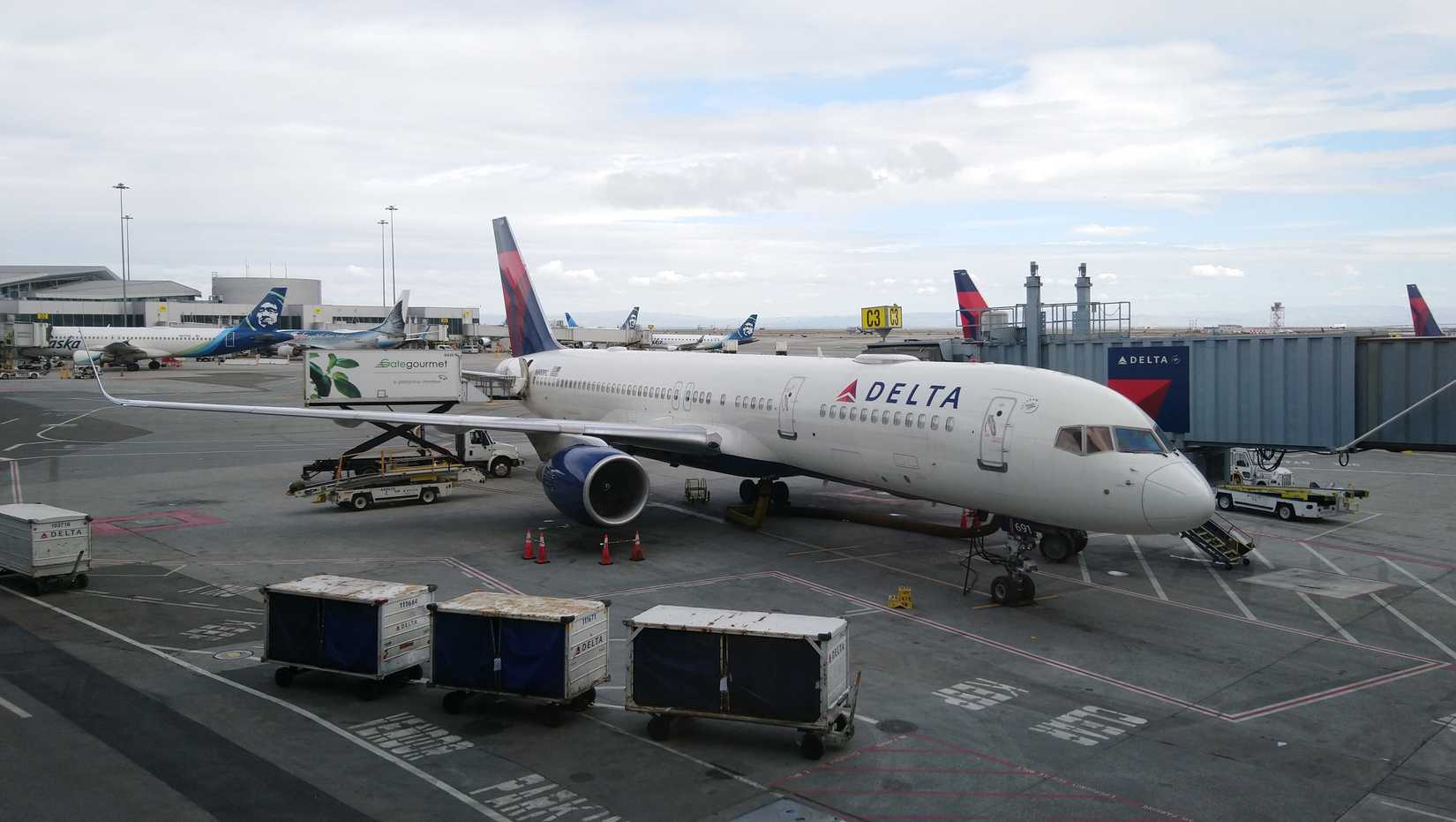
Two distinct successor paths have emerged, reflecting the divergent ways carriers actually used the 757. For the majority of operators — led by Delta Air Lines, the world's largest 757 fleet operator — the Airbus A321neo addresses the high-capacity domestic and transcontinental mission adequately. With a 244-passenger exit limit that actually exceeds the 757-200's 239, and fuel burn substantially lower than the aging narrowbody, the A321neo handles virtually every 757 mission that does not require oceanic crossing. Delta's strategic decision to withdraw its 757s from long-haul flying rather than pursue an XLR order reflects a pragmatic assessment: the economics of narrowbody transatlantic flying are structurally challenged regardless of airframe efficiency, and the airline chose mission scope reduction over fleet modernization for that segment.
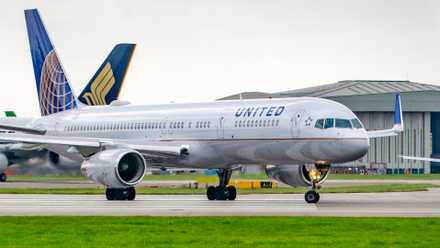
For carriers committed to long-range narrowbody operations, the Airbus A321XLR has emerged as the designated successor, with American Airlines, United Airlines, Icelandair, Air Canada, Iberia, Aer Lingus, LATAM, and Qantas all placing orders. Entering service in November 2024, the XLR achieves a 4,700-nautical-mile range through a structural reinforcement program, revised flap geometry, and a permanent integrated rear center fuel tank — a more space-efficient design than the removable auxiliary tanks used on the A321LR. That range technically exceeds what the 757 could deliver. The A321XLR's most compelling operational advantage beyond range is its type commonality with the broader A320 family, reducing pilot training costs, simplifying line maintenance, and leveraging parts pools that have matured across thousands of in-service aircraft worldwide — a supply chain infrastructure the 757 never had and can no longer build.
For professional and corporate flight departments, the 757 transition carries direct implications. Charter and ACMI operators who have relied on 757s for high-density or long-range narrowbody lift face the rising capital and maintenance costs of aging airframes without the benefit of the manufacturer support ecosystem that sustains 737 and A320 family aircraft. Parts availability for RB211-525 and PW2000 engines continues to narrow as the global fleet shrinks. Pilots type-rated on the 757 will find that credential increasingly tied to a legacy fleet with uncertain long-term utilization, while demand for A320 family ratings — particularly covering neo variants with LEAP or PW1100G powerplants — grows across both airline and business aviation segments operating the ACJ321neo.
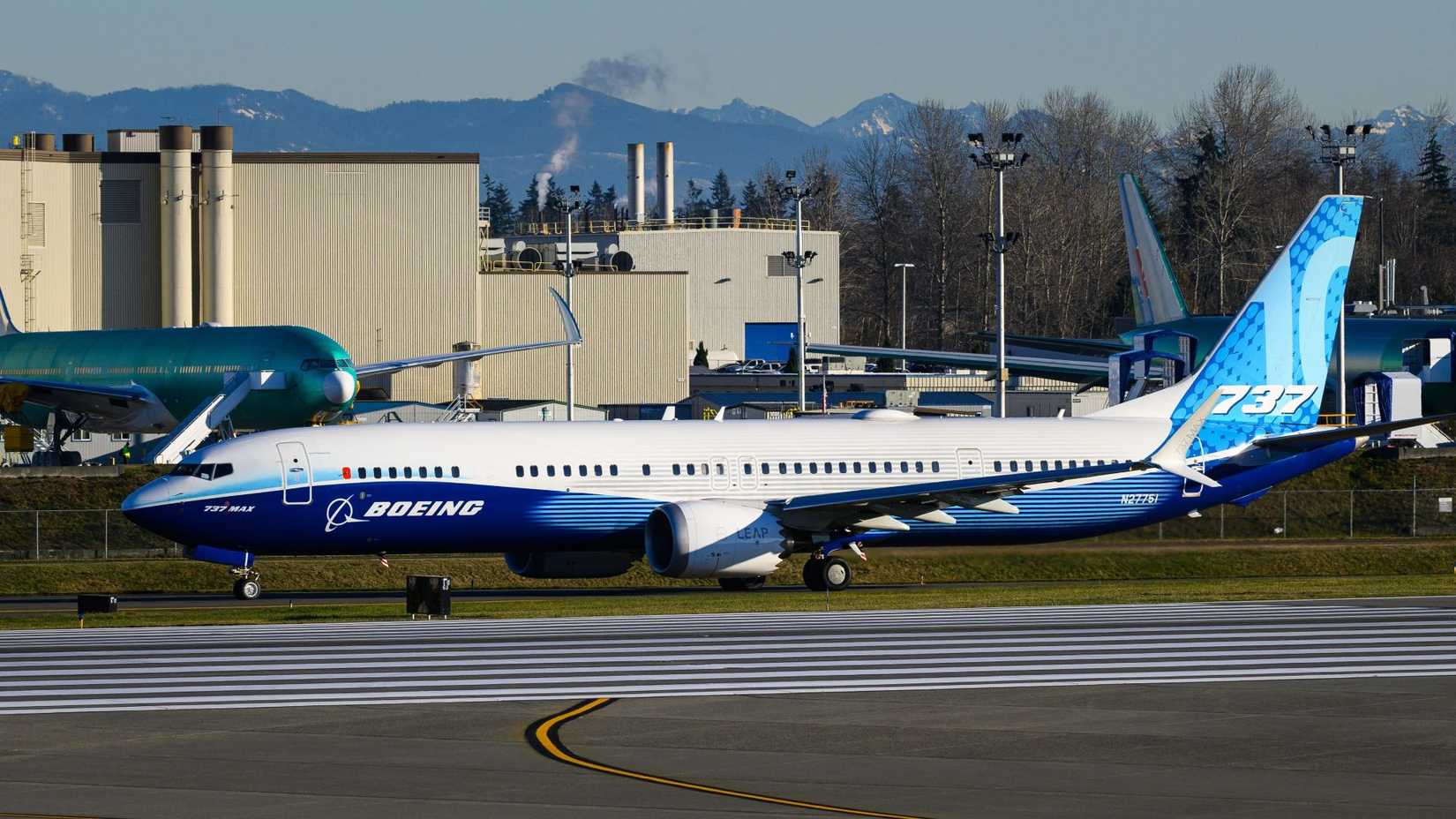
The broader industry pattern the 757 succession illustrates is the progressive convergence of narrowbody capability toward what were once widebody or specialized aircraft missions. The A321XLR's entry into transatlantic service represents a meaningful threshold: a single-aisle aircraft now commercially viable on Stage 4 oceanic routes that historically required widebodies. That development accelerates point-to-point routing strategies, allows smaller markets to access intercontinental services without the frequency required to fill widebody equipment, and puts pressure on widebody utilization economics on thinner long-haul routes. Whether the XLR fully validates the long-range narrowbody model commercially — a question Delta's exit from the segment has already complicated — will shape how Boeing and Airbus frame the next generation of single-aisle designs, particularly as Boeing has yet to offer a direct NMA-class competitor to address the gap the 757 leaves.













 Read original article