PNBAA, NBAA Win Repeal of Onerous WA Aircraft Tax
Washington state's repeal of Senate Bill 5801 — a 10% purchase tax on general aviation aircraft valued above $500,000 — marks one of the more consequential state-level aviation advocacy victories in recent years. Governor Bob Ferguson signed House Bill 2711 on March 31, 2026, just one day before the original tax was scheduled to take effect, replacing it with a 7-cent-per-gallon increase to the state's aviation fuel excise tax (raising it from 18 to 25 cents per gallon) and a moderate, annually escalating aircraft registration fee. The coalition that secured the repeal was assembled beginning in April 2025 by the Pacific Northwest Business Aviation Association (PNBAA) and the National Business Aviation Association (NBAA), drawing in airport operators, local businesses, individual aircraft owners, and companies such as Schweitzer Engineering Laboratories, headquartered in Pullman — a city whose commercial air service access is limited and which depends heavily on general aviation for routine business transportation.
The practical stakes for aircraft owners and operators in Washington were significant. A 10% tax applied at the point of sale — on both new and used aircraft — would have functioned as a double-penalty on the used market, taxing assets that had already been taxed at initial purchase and potentially taxed again on each subsequent transfer. For Part 91 flight departments, charter operators, and fractional program participants, this structure creates a strong incentive to register and base aircraft in neighboring states, a dynamic that Washington's legislature ultimately recognized. Observers noted that aircraft departures from the state were already occurring in the months before the repeal, consistent with the mobility that distinguishes aviation assets from real property and makes punitive purchase taxes particularly counterproductive from a revenue standpoint. The replacement mechanism — a per-gallon fuel tax increase — distributes the burden more broadly across all users and more proportionally to actual operational activity rather than concentrating it at the point of asset acquisition.
The economic backdrop reinforces why the coalition's arguments found traction with legislators. A 2020 Washington Aviation Economic Impact Study cited by NBAA attributed more than 407,000 jobs, a $26.8 billion payroll, and $107 billion in annual business revenue to aviation activity in the state. Washington operates 140 airports, the overwhelming majority of which receive no scheduled airline service; general aviation fills that access gap for communities across the eastern half of the state and rural corridors throughout the Cascades and Olympic Peninsula. For the many businesses and residents in those communities, business aviation is not a luxury — it is a primary mode of commercial connectivity. That context was central to the coalition's legislative messaging and appears to have been decisive in shifting the debate from a luxury-tax framing to an economic-infrastructure framing.
The Washington outcome fits within a recognizable national and international pattern. Canada's federal luxury tax on aircraft, enacted in 2022, was broadly criticized by that country's aviation industry for depressing domestic aircraft transactions and driving purchases offshore; the Canadian government repealed it in 2024. Several U.S. states have cycled through similar proposals in recent legislative sessions, often framed as equity measures targeting high-value assets, and the Washington repeal adds a concrete data point to the aviation industry's counter-argument. The shift to a fuel tax also aligns with conventional aviation tax policy theory, which generally favors operational fees over transactional taxes because they track usage, preserve asset mobility, and avoid creating arbitrary cliffs at valuation thresholds. For professional pilots and flight departments monitoring the legislative environment, the Washington episode illustrates how quickly a punitive proposal can advance to near-enactment and how essential organized, data-driven, stakeholder-coordinated advocacy — conducted at the state level, not just federally — has become to protecting operational continuity.
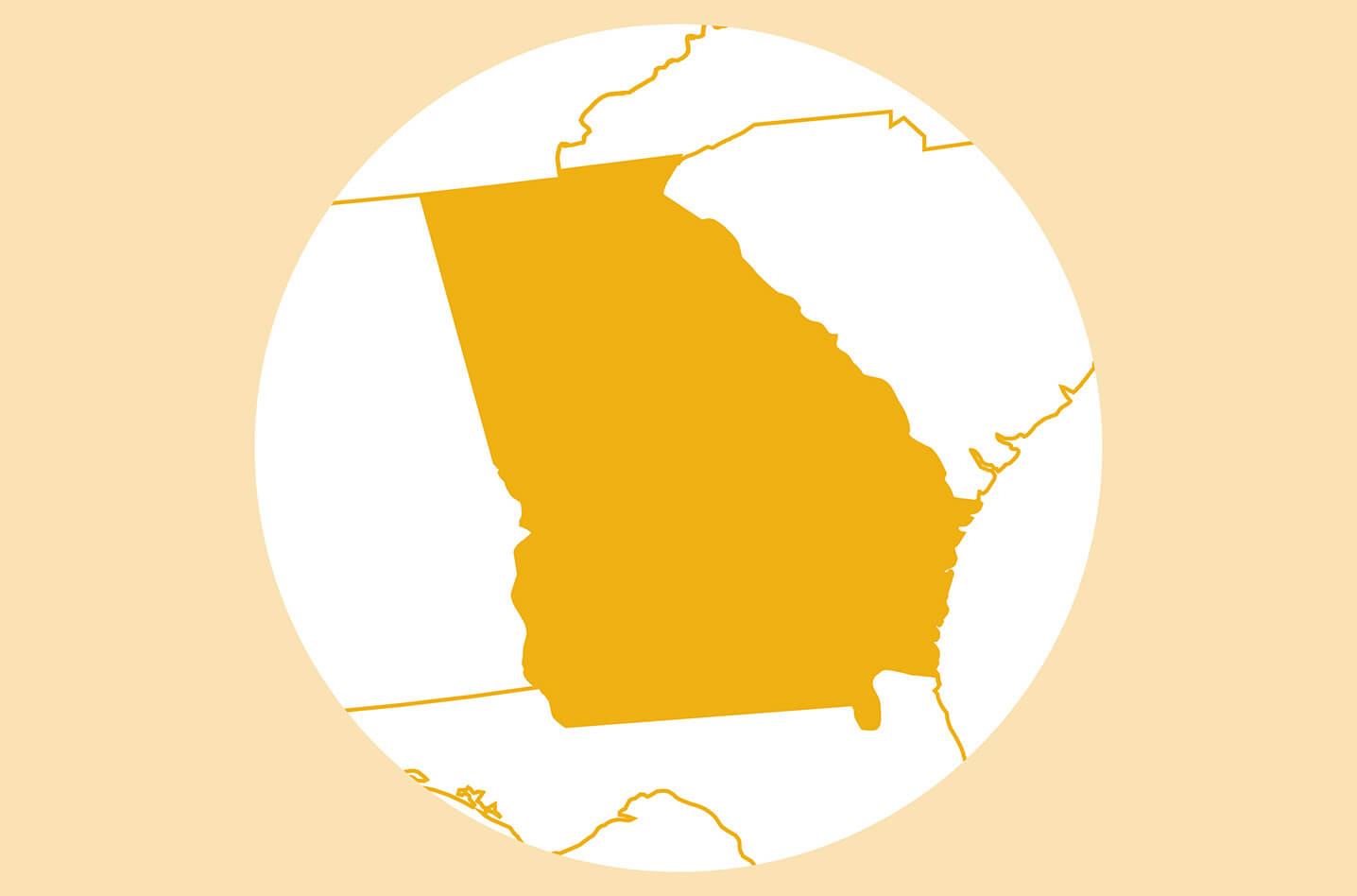
NBAA's regional structure, including its coordination of the Georgia Business Aviation Association's January 2026 advocacy day at the state capitol, reflects the broader strategic posture the organization is adopting: treating state legislatures as active fronts requiring the same sustained engagement traditionally reserved for Congress and FAA rulemaking. For operators, the lesson is operational as well as political. Aircraft basing decisions, fleet transactions, and long-term capital planning increasingly require an awareness of evolving state tax environments, and the Washington case demonstrates that even well-advanced legislative threats can be reversed when the industry presents a unified, economically grounded case before the effective date arrives.








 Read original article